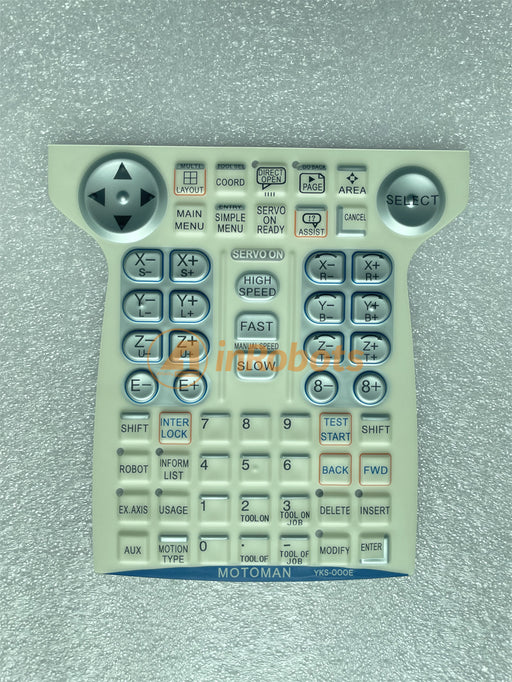
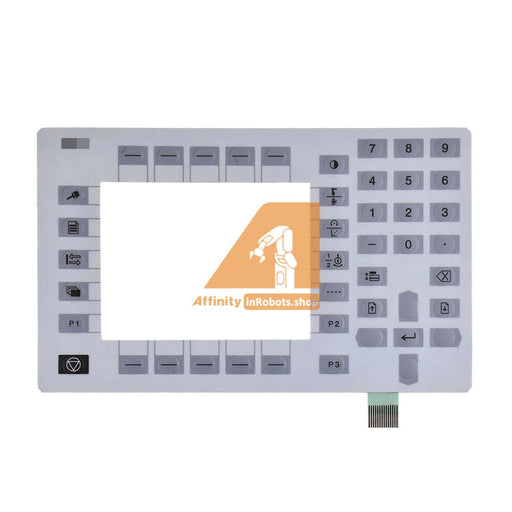
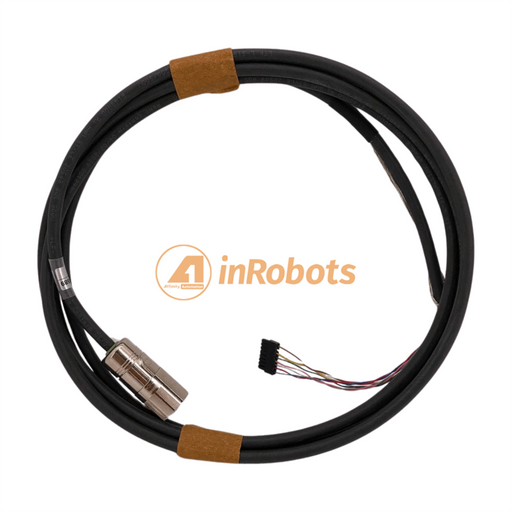
Industrial robot controllers and electronic modules form the central control system of modern robotic automation. These components manage robot motion, execute programs, process sensor data, and coordinate communication between robot subsystems.
Robot controllers integrate multiple electronic boards and modules, including CPU boards, I/O modules, communication interfaces, and power control units. These components work together to ensure precise robot motion, stable communication, and reliable system operation.
This collection includes industrial robot controllers, controller boards, electronic modules, and related components compatible with leading robot brands such as ABB, FANUC, Yaskawa Motoman, and KUKA.
Robot Controller Categories & Electronic Modules
-
Controller CPU Boards
-
Communication Boards
-
Controller Interface Boards
-
Robot Control Modules
-
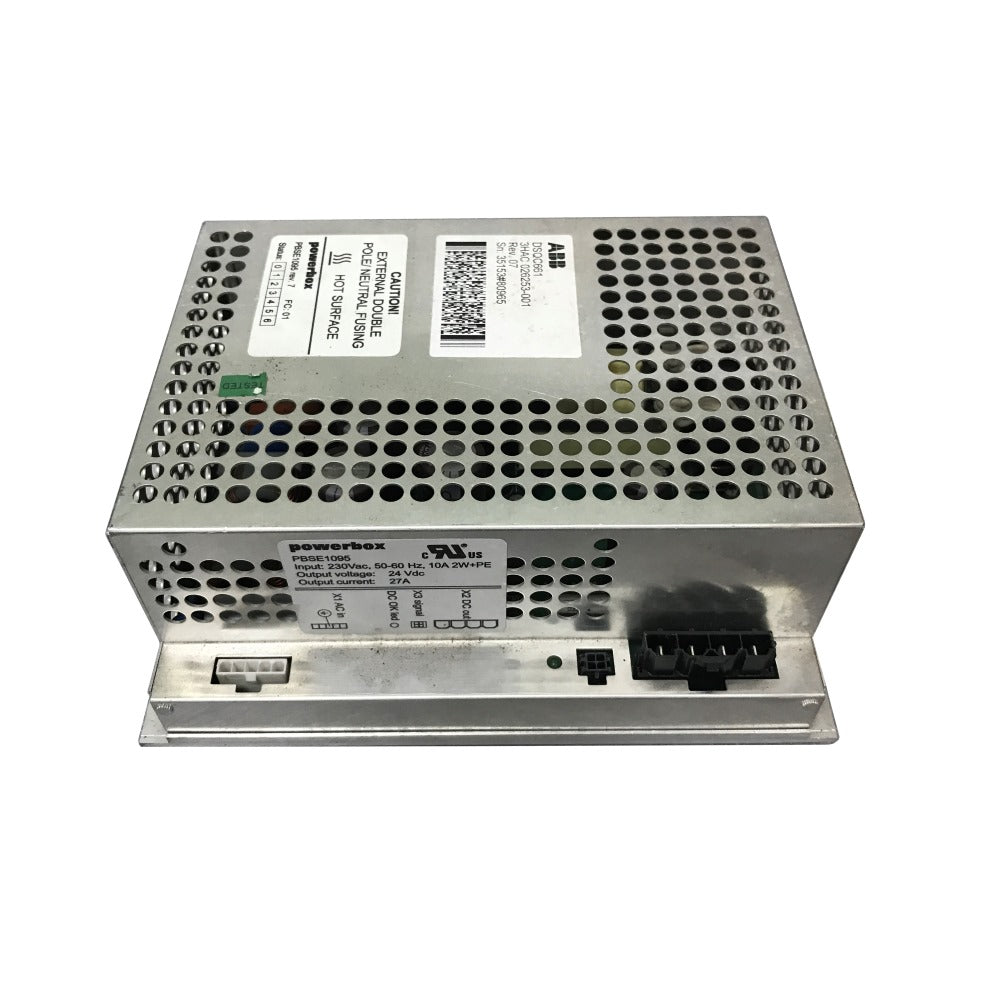
Power Control Electronics
-
Robot Controller Spare Parts
Industrial robot controllers consist of multiple electronic modules that manage motion control, program execution, system communication, and peripheral integration within the robotic system.
Robot Controllers by Brand
Each industrial robot manufacturer designs its own controller platform to manage robot motion, system communication, and automation tasks.
Common Industrial Robot Controller Platforms
Examples include:
-
ABB IRC5 Robot Controller
-
ABB S4 / S4C+ Controllers
-
FANUC R-30iA / R-30iB Controllers
-
Yaskawa DX100 / DX200 Controllers
-
KUKA KRC2 / KRC4 Controller
Robot controllers integrate computing units, motion processors, and communication modules to control industrial robots with high precision and reliability.
Key Robot Controller Electronic Components
Industrial robot controllers rely on several important electronic modules, including:
CPU Boards
CPU boards act as the central processing unit of the robot controller, executing robot programs and coordinating system operations.
I/O Modules
I/O modules allow the robot controller to communicate with sensors, actuators, and external automation equipment.
Communication Boards
Communication modules enable industrial network connectivity such as fieldbus systems, Ethernet communication, and device integration.
Interface Boards
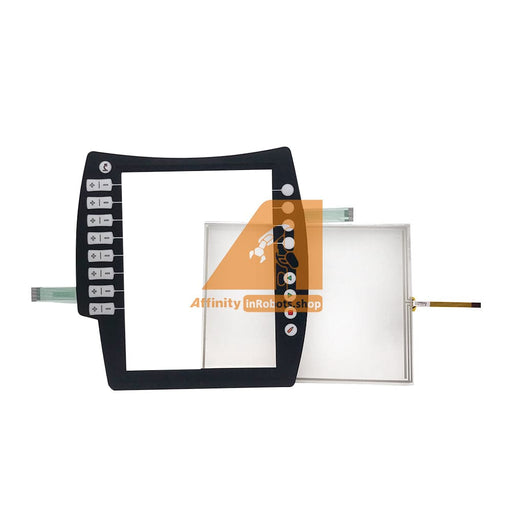
Interface boards connect controllers with teach pendants, servo drives, and robot subsystems.
Why Robot Controller Electronics Are Critical
Industrial robot controllers coordinate all robot functions, including motion control, safety monitoring, and communication with external automation systems.
Reliable controller electronics help ensure:
- Accurate robot motion
- Stable system communication
- Reliable program execution
- Safe industrial operation
Common Robot Controller Issues
Typical controller electronic problems include:
- CPU board failure
- I/O module malfunction
- Communication errors
- Controller power issues
- Interface board faults
Timely replacement of faulty controller modules helps prevent unexpected production downtime.
How to Choose the Right Robot Controller Electronics
1 Verify the robot brand and model
2 Confirm the controller platform (IRC5, R-30iB, DX200, KRC4, etc.)
3 Check the controller board part number
4 Ensure compatibility with the existing robot system
5 Verify connector and communication interfaces
Selecting the correct controller electronics helps maintain stable robot performance and system reliability.