

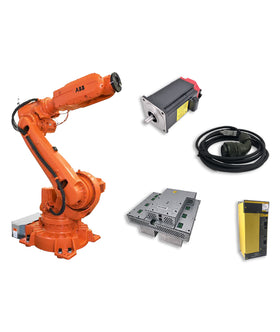


In industries where high temperatures are prevalent, such as in steel manufacturing, glass processing, and automotive testing, the use of thermal cables is indispensable. These specialized cables are designed to maintain their integrity and functionality under extreme heat, ensuring the safe and efficient operation of machinery and equipment. This article aims to provide an in-depth understanding of thermal cables, their importance, and the criteria for their selection and use.
Thermal cables, also known as high-temperature cables, are specially engineered wires designed to operate safely in environments that would damage conventional cables. They are constructed with heat-resistant insulation materials like silicone rubber, PTFE (Teflon), and fiberglass braided wire, which provide exceptional temperature endurance and electrical stability.
These cables are crucial in industries where temperature fluctuations and harsh conditions are part of daily operations—such as robotics, aerospace, automotive manufacturing, 3D printing, and industrial heating systems.
Source:www.thermalwire.com/wires-cables/
In robotic systems, every component must perform precisely—even under heat, mechanical stress, and constant motion. Thermal cables ensure this by maintaining flexibility and conductivity in extreme environments.
For example:
By preventing insulation failure and signal degradation, thermal cables help robots maintain precision, uptime, and safety.
Designed for continuous movement and vibration, perfect for robotic joints or cable carriers.
Source:thermocables.com/all-products/high-temperature-cables/
Thermal cables are available in various types, each designed for specific temperature ranges and applications. The construction of these cables involves materials that can resist heat and maintain flexibility.
Types of Thermal Cables:;
Construction Features of Thermal Cable;
|
Feature |
Thermal Cables |
Standard Cables |
|---|---|---|
|
Temperature Range |
Up to 250°C+ |
Typically 80–105°C |
|
Insulation |
Silicone, PTFE, Fiberglass |
PVC, Rubber |
|
Flexibility |
High |
Moderate |
|
Resistance |
Heat, Chemicals, Abrasion |
Limited |
|
Applications |
Robotics, Furnaces, Industrial Machinery |
General Electrical Use |
Unlike standard cables, industrial heat-resistant cables are engineered for durability and reliability under extreme conditions—making them essential for modern automation.
Source: www.tstcables.com/2-5mm-high-temperature-cable-selection-guide/
When selecting thermal cables, several factors must be considered to ensure they meet the specific requirements of the application.
Criteria for Selection:
Proper maintenance and regular testing are essential to ensure the continued performance and safety of thermal cables.
Most thermal cables operate safely between -60°C to +250°C , but specialized versions can endure even higher temperatures for short durations.
Yes. Silicone and PTFE-insulated thermal cables maintain flexibility under continuous motion, making them ideal for robotic applications.
Heat-resistant cables can operate continuously at high temperatures, while fire-resistant cables maintain circuit integrity during fire conditions.
Common materials include silicone rubber, fiberglass, and PTFE (Teflon), chosen for their insulation, flexibility, and resistance to extreme heat.
Yes. Thermal cables with fiberglass or silicone jackets perform well outdoors and in machines subject to continuous vibration.
Conclusion
Thermal cables are a critical component in high-temperature applications, providing the necessary link for power and control while ensuring safety and reliability. By understanding the types, construction, selection criteria, and maintenance practices for thermal cables, industries can optimize their operations and reduce the risk of equipment failure. It is through the careful selection and ongoing care of these cables that the potential hazards of high-temperature environments can be mitigated, ensuring the continued advancement of industries that rely on robust and durable cable solutions.
Explore the Full Guide: Industrial Robot Spare Parts → Industrial Robot Cable Guide
Explore foundational knowledge and practical insights to better understand industrial robot systems and components.
Key components commonly involved in robot cables issues and replacements.


{"one"=>"Select 2 or 3 items to compare", "other"=>"{{ count }} of 3 items selected"}
Leave a comment on this topic