

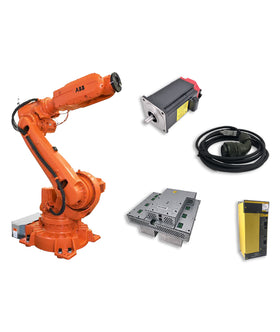
In the intricate world of robotics, signal cables play a pivotal role, akin to the nervous system in living beings. These cables are responsible for the seamless communication between various sensors and control units within the robot, ensuring that the machine operates efficiently and accurately.
1.What Are Signal Cables?
Signal cables are specialized wiring designed to transmit data, feedback, and control signals between robotic components. Unlike power cables, which deliver electricity, signal cables carry low-voltage data that allows motors, sensors, and controllers to communicate effectively.
Common uses include:
- Carrying feedback from sensor signal cables (temperature, proximity, pressure sensors)
- Transmitting encoder signals for motor control
- Sending on/off commands to actuators
- Ensuring synchronization between multiple robotic systems

2. Importance of Signal Cables
2.1 Data Transmission
Signal cables enable the transmission of data between the robot's brain (the control unit) and its limbs (actuators and sensors). This data includes commands from the control unit to the actuators and feedback from the sensors, which is critical for the robot's operation.
2.2 System Integration
For a robot to function as a cohesive unit, all its components must work together. Signal cables integrate these components by providing a communication pathway that allows the system to react dynamically to changes in the environment or task requirements.
2.3 Reliability and Precision
The quality of signal cables directly affects the reliability and precision of a robot's movements and actions. High-quality cables ensure that signals are transmitted without delay or distortion, which is vital for precise control in tasks such as assembly, welding, and more.

3.Types of Signal Cables
Signal cables are divided into three main categories:
Analog Signal Cables
Used for transmitting continuous signals, such as those from potentiometers or temperature sensors, analog signal cables are crucial for applications requiring gradual changes in data.
- Carry continuous signals (e.g., temperature readings, analog joystick input).
- Prone to noise and signal loss over longer distances.
- Require careful shielding for reliable performance.
Digital Signal Cables
Designed for transmitting discrete signals, digital signal cables are used in scenarios where data is binary, such as on/off signals from limit switches or digital encoders.
- Carry binary data (0s and 1s), such as encoder feedback or switch signals.
- More resistant to noise and interference.
- Common in high-speed robotics and CNC systems.
Fiber Optic Cables
Offering high-speed data transmission and resistance to electromagnetic interference, fiber optic cables are preferred in environments where signal integrity is critical.

4.Shielding: Protecting Signal Integrity
Robotic environments often involve high electrical noise from motors, welders, or other industrial equipment. This is where robotics signal cable shielding becomes essential.
Shielded signal cables use braided copper or foil wrapping to block electromagnetic interference (EMI), ensuring accurate data transmission. Choosing the right shielding type can reduce downtime and improve the lifespan of your robotics system.
5.Applications of Signal Cables in Robotics
- Industrial Robots – Encoders, actuators, and sensors rely on robot signal cables for precise movement.
- Collaborative Robots (Cobots) – Flexible sensor signal cables ensure safe, responsive interaction with humans.
- Data Transmission – Data signal cables in robotics link controllers to HMIs, PLCs, and networking systems.
- Automated Assembly Lines – Shielded cables minimize noise for reliable performance in fast-paced environments.
6. Considerations for Choosing Signal Cables
When selecting signal cables for robotic applications, several factors must be considered:
1. Cable Material
The material of the cable, such as plastic, rubber, or metal, should be chosen based on the environmental conditions the cable will face, such as temperature, moisture, and exposure to chemicals.
2. Shielding
To prevent interference and ensure signal integrity, signal cables may need shielding. Shielded cables protect against electromagnetic interference (EMI) and radio frequency interference (RFI).
3. Cable Length
The length of the cable should be sufficient to reach between connected components without causing signal degradation. However, excessive cable length can lead to increased resistance and signal loss.
4. Connector Type
The type of connector used on the signal cables must match the ports on the sensors and control units. Common connector types include RJ45, USB, and HDMI, among others.
7.Troubleshooting Signal Cable Issues
Common issues include:
- Signal Loss – Usually due to excessive cable length or poor shielding.
- Noise/Interference – Solved by using shielded cables or rerouting away from power lines.
- Connector Failures – Worn or incompatible connectors can disrupt data flow.
- Flex Fatigue – Frequent bending in robotic arms can break unfit cables.
Frequently Asked Questions about Signal Cables
Q1: What is the difference between analog and digital signal cables?
Analog cables carry continuous signals like temperature changes, while digital cables transmit binary on/off data, such as encoder feedback.
Q2: How far can a signal cable run without losing data?
Typically, analog signals degrade after ~10m without amplification, while digital signals can run longer, depending on shielding and cable quality.
Q3: Why use shielded signal cables in robotics?
Shielding protects data integrity against electromagnetic interference, crucial in industrial environments with motors and welding equipment.
Q4: Can I reuse existing signal cable wiring for new robots?
Sometimes. However, upgrading to modern robot signal cables with shielding and high-flex designs often improves performance.
Q5: What connectors are commonly used with signal cables?
RJ45, M12, DB9, and proprietary connectors are widely used in robotic applications.
Conclusion
Signal cables are the lifelines of robotic systems, facilitating the flow of information that allows robots to operate with precision and responsiveness. As robotics technology advances, the demand for high-quality, reliable signal cables grows. When selecting signal cables, it's essential to consider the specific requirements of the application to ensure optimal performance and longevity of the robotic system.


Leave a comment on this topic