

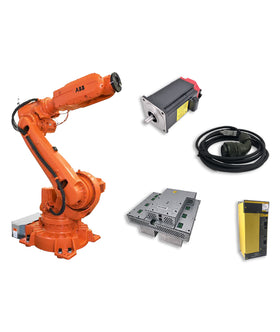
Shielded cables play a pivotal role in modern electrical and communication systems by providing protection against electromagnetic interference (EMI). These cables are specifically designed to maintain signal integrity and ensure reliable data transmission even in environments with high levels of electromagnetic activity.
1.What Are Shielded Cables?
Shielded cables are electrical or data cables wrapped in protective layers—typically foil, braided metal, or both—that block unwanted external interference.
In robotics, robotics signal cable shielded solutions carry critical communication between controllers, actuators, and sensors. Unlike standard unshielded wires, shielded cables maintain signal clarity, allowing real-time feedback and accurate robotic movements.
Common Applications of Shielded Cables:
- Sensor cable shielded wiring – Prevents false signals in proximity, pressure, and temperature sensors.
- Shielded data cable for robotics – Transmits encoder feedback, PLC commands, and network data without noise.
- Robot communication cable – Ensures precise motion control and safe collaborative robot operation.

Key Features of Shielded Cables
1. Shielding Material
Shielding can be made from a variety of materials, including copper braid, aluminum foil, or a combination of both. The choice of material depends on the level of shielding effectiveness required.
2. Insulation
The conductors within shielded cables are insulated to prevent short circuits and ensure safe operation. Insulation materials can range from PVC to more robust materials like Teflon, depending on the application.
3. Jacket
An outer jacket made from durable materials such as PVC or rubber protects the cable from physical damage and environmental factors like moisture and UV radiation.
2. Types of Shielded Cables
1. Foil-Shielded Cables
These cables feature a single layer of aluminum foil surrounding the conductors, offering a cost-effective solution for basic EMI protection.
2. Braided Shields
Braided shields provide a higher level of shielding effectiveness due to the interwoven mesh of conductive material, which can block a broader range of frequencies.
3. Dual Shields
Some applications may require dual shielding, combining both foil and braid to provide maximum protection against EMI.

3.Shielded Cables in Action: Real-World Robotics Applications
- Automotive Welding Robots – Switching from unshielded to dual shielded data cables reduced signal errors by 85%, ensuring precise weld placement.
- Collaborative Robots (Cobots) – Use sensor cable shielded wiring to prevent EMI from factory machines disrupting safety sensors.
- High-Speed Pick-and-Place Robots – Rely on robot communication cables with braided shielding for consistent encoder feedback at high speeds.
4.Troubleshooting Signal Integrity Issues
Even the best systems face signal loss if shielded cables aren’t installed properly. Watch for:
- Grounding Errors – A shield that isn’t properly grounded becomes ineffective.
- Connector Mismatch – Using non-shielded connectors defeats cable shielding.
- Flex Fatigue – Over time, poorly rated shielded cables crack under constant motion.
- Improper Routing – Running signal cables parallel to power lines invites interference.
5. Considerations for Selecting Shielded Cables
When selecting shielded cables, consider the following factors:
1. EMI Protection Level
Determine the level of EMI protection needed based on the application and the electromagnetic environment.
2. Cable Flexibility
Consider the flexibility of the cable, as some shielded cables may be stiffer due to the shielding layer, affecting their suitability for dynamic applications.
3. Durability
Choose cables with a durable construction that can withstand the environmental conditions they will be exposed to, such as temperature extremes, moisture, and chemical exposure.
4. Compatibility
Ensure that the shielded cables are compatible with the connectors and termination methods used in your system.
6. Shielded Cables:the Future of Robotics
As robotics expands into more complex environments, maintaining communication reliability is non-negotiable. High-performance shielded data cable robotics solutions are the backbone of:
- Precision manufacturing
- Smart factories
- AI-driven robotics
- Collaborative human-robot environments
Choosing the right shielded cable today means smoother operations, fewer downtime incidents, and a system ready for tomorrow’s challenges.
Frequently Asked Questions about Shielded Cables
Q1: What’s the difference between foil and braided shielded cables?
Foil shields block nearly all EMI but are less durable. Braided shields are flexible and rugged but don’t offer 100% coverage. Many robotics applications use dual shielded cables for the best of both worlds.
Q2: Do shielded cables reduce signal loss?
Yes. By blocking interference, EMI shielded cables prevent data corruption and ensure stable communication across robotic systems.
Q3: Can I use unshielded cables in robotics?
Only in low-noise environments. For factories with motors, welders, or drives, unshielded cables risk system errors and downtime.
Q4: How do I terminate a shielded cable correctly?
Ensure the shield connects to the grounding system at one or both ends, depending on design. Use connectors designed for shielding continuity.
Q5: Are shielded cables flexible enough for robotic arms?
Yes. High-flex robotics signal cable shielded designs are engineered for repetitive motion, making them ideal for robotic joints and cable carriers. So, shielded cables are suitable for industrial robotic arms.
Q6: What is shielded vs unshielded cable?
A shielded cable has a protective conductive layer (foil, braid, or both) that blocks electromagnetic interference. An unshielded cable lacks this layer, making it lighter and cheaper but more vulnerable to EMI. Shielded cables are recommended in robotics and industrial automation, while unshielded cables are often used in low-noise environments.
Q7: Is shielded cable necessary for home use?
In most homes, unshielded cables are sufficient because EMI levels are low. However, shielded ethernet cables or HDMI cables can be useful if you live in a dense urban area with lots of interference, or if you need stable connections for home studios, gaming setups, or advanced networking.

Conclusion
Shielded cables are essential for applications where maintaining signal integrity is critical. By selecting the appropriate type of shielded cable based on the level of EMI protection required, you can ensure reliable data transmission and system performance. As technology continues to evolve, the demand for shielded cables in various industries, from telecommunications to industrial automation, will continue to grow, making them an indispensable component in the world of electronics and communication.


Leave a comment on this topic