


Industrial robot controllers are the brains behind automated manufacturing systems, orchestrating every movement, command, and safety check. From machining centers to robotic arms in assembly lines, a reliable control system ensures precision, efficiency, and minimal downtime.
In this ultimate guide, we’ll cover:
This guide also links to related cluster articles for deeper insights on specific topics.
A robot controller is a specialized computer system responsible for managing robot movements, executing programs, and communicating with peripheral devices. It acts as the central hub for sensors, actuators, and the human-machine interface (HMI).
Key functions include:
For a simple introduction to robot controllers, see What Is a Robot Controller?
Key Components of Robot Controllers
Understanding the hardware and software inside a controller is essential for troubleshooting and optimization. Core components include:
For more technical detail, see What is an Industrial Robot Controller and Its Components?
Robot controllers vary by brand, function, and complexity. The most common industrial brands include:
|
Brand |
Overview |
Common Applications |
Related Article |
|
FANUC |
Robust, widely used in CNC and machining automation |
Milling, turning, robotic arms |
Robot Controllers: The Core Driving Force of Modern Automation |
|
KUKA |
Flexible controllers with advanced motion planning |
Automotive, assembly lines |
|
|
ABB |
Strong focus on robotics and industrial integration |
Welding, packaging, logistics |
Cluster reference |
|
Yaskawa |
Compact and reliable |
Material handling, collaborative robots |
Cluster reference |
|
Mitsubishi |
High-speed and precise automation |
Electronics, semiconductors |
Cluster reference |
SEO Tip: Each brand should have a dedicated internal page or blog post for long-tail keyword coverage.
Robot controllers process input commands, monitor feedback, and send signals to motors and actuators. Key operations include:
Controllers often work alongside teach pendants or supervisory software to fine-tune performance.
Robot controllers can encounter hardware, software, or communication issues. Common problems include:
For a detailed KUKA example, see Troubleshooting a KUKA C4 Controller That Won’t Power On
Choosing the correct controller depends on:
High-performance controllers may justify higher ROI due to increased uptime and efficiency.
Preventive maintenance helps extend controller life and reduce downtime:
Upgrades may include replacing obsolete CPUs, adding communication modules, or integrating with new software platforms.
A: FANUC focuses on CNC integration and high reliability, while KUKA emphasizes flexibility and advanced motion planning.
A: Yes, overheating, dust, and unstable power can cause hardware faults or intermittent errors.
A: Daily checks for alarms and cables, monthly cleaning and airflow verification, annual firmware updates and calibration.
A: Yes, updates often fix bugs, improve performance, and enhance safety compliance.
Industrial robot controllers are essential to automation, connecting software commands with physical robot actions. By understanding types, components, troubleshooting methods, and maintenance, engineers can ensure reliable, high-performance robotic systems.
Using this Pillar Page structure, Google recognizes the page as the authoritative Robot Controller & Control System Guide, while cluster articles provide in-depth, targeted content for SEO long-tail keyword coverage.
Explore the Full Guide: Industrial Robot Knowledge Hub → Industrial Automation System Cluster
Explore the full guide to compare options and select the right components for your industrial automation needs.
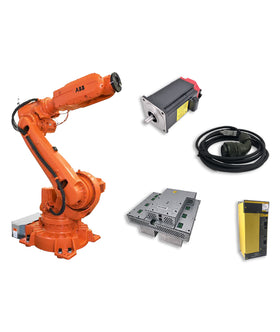
Key components commonly involved in automation systems issues and replacements.


{"one"=>"Seleziona 2 o 3 articoli da confrontare", "other"=>"{{ count }} di 3 elementi selezionati"}
Seleziona il primo elemento da confrontare
Seleziona il secondo elemento da confrontare
Seleziona il terzo elemento da confrontare
Lascia un commento