


Industrial automation is defined by the seamless integration of hardware and software. At its core, it is a Closed-Loop System where sensors provide feedback to a controller, which then adjusts the actuators (motors/robots) to reach a desired state.
An industrial automation system integrates mechanical, electrical, and software components to control manufacturing processes with minimal human intervention.
Core objectives include:
Automation systems range from single robotic cells to fully integrated smart factories.
The PLC is the industrial computer hardened for harsh environments. It executes standard logic (often programmed via Ladder Logic or Structured Text) to coordinate every other component.
While the PLC handles the logic, Servo Drives and Industrial Robots handle the physical work.
The Human-Machine Interface (HMI) translates machine data into visual information for the operator.
The choice of system depends on the required balance between volume and variety.
| System Type | Flexibility | Volume | Best For |
| Fixed | Low | Very High | Mass production (Bottling, Automotive frames) |
| Programmable | Medium | Medium | Batch processing (Chemicals, Steel) |
| Flexible | High | Low to Medium | Custom electronics, specialized medical devices |
Companies invest in automation systems to achieve:
Automation also improves workplace safety by reducing exposure to hazardous tasks.
Failures can originate from:
Because systems are interconnected, one component failure can affect the entire line.
Structured troubleshooting is essential.
Because these systems are interconnected, a failure in one area often cascades. Understanding the "Chain of Command" is vital for repair.
Pro-Tip: Always maintain an offline backup of your PLC Logic and HMI Runtime files. If a processor fails, having the hardware is only half the battle; the software is the soul of the machine.
The next evolution is the move from "Automatic" to "Autonomous."
Robotics refers to programmable mechanical devices, while automation systems integrate robots, PLCs, sensors, and software into a complete production solution.
No. Small and medium enterprises also implement modular automation cells for efficiency and quality improvement.
Critical production lines should undergo inspection at least once per year, with quarterly checks for high-load systems.
Cable fatigue, servo drive failure, and controller communication errors are among the most common causes.
Yes. Many factories upgrade robots, PLCs, and HMI systems step-by-step rather than replacing entire production lines.
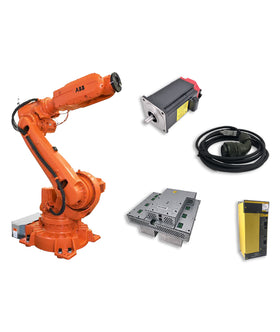
Key components commonly involved in issues and replacements.


{"one"=>"Select 2 or 3 items to compare", "other"=>"{{ count }} of 3 items selected"}
Leave a comment on this topic