
Ir a contenido

Industrial Robot Fault Codes Library

Complete Guide to ABB, FANUC, KUKA & Yaskawa Error Codes

When an industrial robot stops due to a fault code, every second counts. Production delays, troubleshooting uncertainty, and unexpected repair costs can quickly escalate.

This Industrial Robot Fault Codes Library is designed to help engineers, technicians, and maintenance teams quickly identify, understand, and resolve robot errors across major brands like ABB, FANUC, KUKA, and Yaskawa.

What Are Industrial Robot Fault Codes?

Industrial robot fault codes are diagnostic messages generated by the controller when the system detects abnormal behavior.

These errors typically relate to:

  • Motion control systems (servo motors & drives)
  • Feedback devices (encoders & resolvers)
  • Operator interfaces (teach pendants & HMIs)
  • Communication systems and internal buses

Each manufacturer uses a different fault structure:

  • ABB → Numeric error codes (e.g., 40205)
  • FANUC → Alarm-based system (SRVO, SP, SYS)
  • KUKA → KSS-based diagnostic messages
  • Yaskawa → Alarm codes linked to servo and controller states

Understanding these codes is the first step toward fast and accurate troubleshooting.

Browse Fault Codes by Brand

ABB Robot Error Codes

Common ABB faults, causes, and repair solutions.

View ABB Errors →

FANUC Alarm Codes

SRVO, SP, and SYS alarms with quick diagnostics.

Explore FANUC Errors →
 

KUKA Robot Error Codes

KSS errors, SmartPad issues, and troubleshooting.

Check KUKA Errors →

Yaskawa Alarm Codes

Alarm lists and maintenance solutions.

Browse Yaskawa →

Select your robot brand below to explore detailed fault code explanations, root causes, and repair solutions.

Fault Codes by System Category

To speed up troubleshooting, fault codes can be grouped by subsystem.

Servo & Drive Errors

Symptoms:

  • Robot cannot move
  • Axis locking or vibration

Common causes:

  • Servo drive failure
  • Motor overload
  • Parameter mismatch

👉 Recommended check:

  • Inspect servo drive status
  • Verify motor condition

Encoder & Feedback Errors

Symptoms:

  • Position loss
  • Calibration errors
  • Sudden stops

Root causes:

  • Encoder failure
  • Signal interruption
  • Cable wear or damage

👉 Action:

  • Replace encoder
  • Check feedback cable

Teach Pendant & HMI Errors

Symptoms:

  • Black screen
  • Touch not responding
  • No display

Typical causes:

  • LCD damage
  • Internal cable failure
  • Mainboard issues

👉 Related guides:

  • Teach Pendant Black Screen
  • Touch Screen Not Working

Communication Errors

Symptoms:

  • Controller disconnect
  • Fieldbus errors

Possible causes:

  • Ethernet/IP failure
  • Internal communication fault
  • Loose connectors

Power & System Errors

Symptoms:

  • Robot not starting
  • Unexpected shutdown

Root causes:

  • Power supply failure
  • Internal hardware fault
  • Overheating

Step-by-Step Troubleshooting Workflow

Follow this structured approach when a fault occurs:

Step 1: Identify the Fault Code

Check the robot controller or HMI display.

Step 2: Classify the Error

Determine whether it is:

  • Electrical
  • Mechanical
  • Communication

Step 3: Inspect Critical Components

Focus on:

  • Cables
  • Encoders
  • Servo drives

Step 4: Perform Basic Reset

  • Restart the controller
  • Clear alarm history

Step 5: Replace Faulty Components

If the issue persists, component replacement is usually required.

High-Failure Robot Components (Key Spare Parts)

Based on real-world maintenance data, the following components fail most frequently:

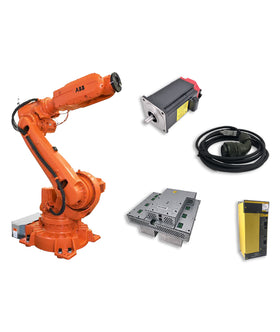
  • Teach pendants (screens, keypads)
  • Encoders and feedback devices
  • Servo drives and motors
  • Robot cables (especially high-flex cables)

👉 Recommended spare parts collections:


Why Fault Codes Matter in Industrial Maintenance

Ignoring robot fault codes can lead to:

  • Extended downtime
  • Increased repair costs
  • Secondary system failures

A structured fault code library helps:

  • Reduce MTTR (Mean Time to Repair)
  • Improve troubleshooting efficiency
  • Support predictive maintenance strategies

Build Your Own Fault Code Knowledge Base

For factories and system integrators:

  • Track frequently occurring fault codes
  • Maintain a log of repair actions
  • Stock high-risk spare parts in advance

This transforms maintenance from reactive to proactive.

Related Resources

Explore more technical guides:

  • Industrial Robot Spare Parts Guide
  • Servo Drive & Motor Guide
  • Teach Pendant Troubleshooting Center
  • Robot Cable Failure Guide

Conclusion

The Industrial Robot Fault Codes Library is more than a reference—it’s a practical tool for reducing downtime and improving operational efficiency.

By combining structured fault code navigation, system-based diagnostics, and targeted repair solutions, you can resolve issues faster and keep your production running smoothly.

Artículo anterior UR Joint Overload Error – Symptoms & Diagnostic Guide

Dejar un comentario

* Campos requeridos

Publicaciones de blog

Comparar productos

{"one"=>"Seleccione 2 o 3 artículos para comparar", "other"=>"{{ count }} de 3 artículos seleccionados"}

Seleccione el primer artículo para comparar

Seleccione el segundo artículo para comparar

Seleccione el tercer elemento para comparar

Comparar