
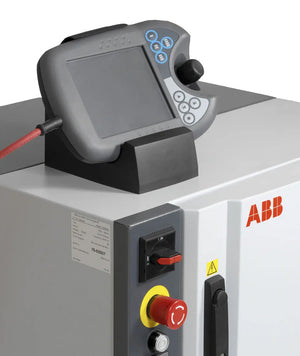

Robots are transforming industries worldwide—from automotive assembly lines to medical labs—and at the core of their performance lies something simple but essential: robot cables. These specialized cables ensure robots receive the power, signals, and data they need to function smoothly. Without reliable cables, even the most advanced robot would face costly downtime.
In this article, we'll break down what robot cables are, why they're important, their types, applications, and how to choose the right one for your automation needs.
Robot cables, also called robot wires, are the lifelines of robotic systems, designed to connect various components within robots while withstanding the physical challenges of repetitive motion and environmental factors. These cables are a fundamental element in the construction of reliable and efficient robots.

The definition of robot cables encompasses several basic concepts that differentiate them from standard cables. They are built to be highly flexible to accommodate the frequent movements of robotic arms and other mechanisms. Moreover, they are designed to operate over a wide temperature range, making them suitable for diverse industrial environments. Types of robot cables include those with specific shielding to protect against electromagnetic interference (EMI) and those with specialized insulation to resist abrasion, chemicals, and oils.
Robotic systems move fast and work nonstop. Standard cables can wear out quickly, leading to malfunctions and expensive repairs. Industrial robot cables are designed to:
The variety of robot cables available is tailored to meet the specific needs of different robotic applications, each with unique characteristics and capabilities.

High-Flex Cables: These are designed for applications where the cable will undergo frequent bending and twisting. They maintain their performance through millions of flex cycles.
Flat Cables: These cables have a flat profile, which allows them to be routed in tight spaces and reduces the risk of damage from compression.
Silicone Rubber Insulated Cables: These cables offer excellent resistance to high temperatures and are often used in applications where heat is a factor.
Armored Cables: With an additional protective layer, such as steel braiding or a heavy-duty outer jacket, these cables provide extra durability against mechanical stress.
Shielded Cables: These cables have a shielding layer, such as a foil or braid, to protect against EMI, ensuring signal integrity in robotic systems.
Multi-Conductor Cables: These cables contain multiple insulated wires within a single jacket, allowing for the transmission of multiple signals or power lines simultaneously.
The advantages of cables for robotics are a direct result of their specialized design, which allows them to perform reliably in the demanding conditions found in robotic applications.

Durability: Robot cables are made to be robust, with reinforced constructions that resist wear and tear, ensuring a long service life even under harsh conditions.
Flexibility: These cables are designed to remain flexible in extreme temperatures, allowing them to bend and flex without cracking or breaking, which is essential for robotic arms and other moving parts.
Temperature Resistance: Robot cables can operate in a broad range of temperatures, with materials that remain stable and maintain their properties in both hot and cold environments.
Chemical and Oil Resistance: Many robot cables are made with materials that resist degradation from exposure to chemicals and oils, making them suitable for use in industrial settings where such substances are common.
Low Friction: The outer jackets of robot cables are often smooth and designed to reduce friction, allowing them to move freely without binding or tangling.
EMI Shielding: Shielded robot cables protect sensitive robotic systems from electromagnetic interference, ensuring reliable operation by preventing signal degradation.
Customizability: Robot cables can be customized to meet specific application requirements, including length, conductor count, and shielding type, allowing for a perfect fit for any given application.
Robot cables are used anywhere automation and robotics operate. Their durability and flexibility make them essential across industries:
In high-speed industrial environments, robotic arms perform welding, painting, assembling, and packaging. Robot cables in these settings must withstand continuous motion, exposure to heat, sparks, oils, and vibrations.
Automotive industry: Welding robots rely on shielded power and control cables to maintain precision.
Electronics manufacturing: Data cables ensure accurate placement of micro-components and sensors in circuit board assembly.
Cobots work alongside humans, often in smaller spaces. Their cables must be lightweight, flexible, and safe to touch, with robust insulation to prevent accidents. For example, in food processing and packaging, cobots equipped with hygienic-grade robot cables handle sorting, packing, and sealing tasks.
Robot cables enable surgical robots to perform delicate procedures with millimeter precision, transmitting high-quality signals from sensors and cameras. In lab automation, robot cables carry power and data to robotic arms that test samples, handle reagents, and manage repetitive tasks with high accuracy. Cables in this sector must meet strict safety and sterilization standards.
In aerospace manufacturing, robots perform drilling, riveting, and composite material handling. Robot cables must endure extreme precision requirements and exposure to harsh conditions, including high temperatures and strong vibrations. In defense applications, robot cables power unmanned systems and inspection robots in demanding terrains.
From household cleaning robots to hospitality robots in hotels, robot cables ensure reliable power and data transmission in compact, mobile designs. These cables often need to be lightweight, flexible, and capable of integrating multiple functions (power, signal, and data) into a single hybrid cable.
6. Challenges and Considerations When Choosing Cables for Robotics
Robot cables may look simple, but they are the backbone of automation and robotics. From powering motors to transmitting data, they ensure robots perform reliably, safely, and efficiently.
Choosing the right robot cable—based on durability, flexibility, and application—can make a significant difference in reducing downtime and boosting productivity. As robotics continues to advance, so will cable technology, paving the way for smarter, more reliable automation systems.


{"one"=>"Select 2 or 3 items to compare", "other"=>"{{ count }} of 3 items selected"}
Leave a comment on this topic