
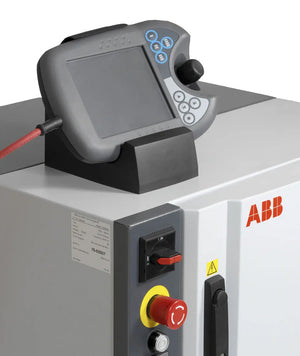

In modern industrial automation, robot cables play a crucial role as the lifelines of robotic systems. Installed inside robotic arms and automation equipment, these flexible cables are specifically engineered to withstand continuous twisting, bending, and high-intensity movement in three-dimensional space. Their durability ensures stable performance in complex industrial environments where reliability is non-negotiable.
Depending on application needs, robot cables are typically classified into:
Robot body cables – for internal wiring and motion.
Drag chain cables – designed for dynamic movement.
Internal connecting cables – handling data, power, and signal transmission.
Choosing the right cable type is critical for optimizing robot performance.


Robot cables cover a wide range of functions, including power supply, signaling, control, and peripheral connections. They are commonly used in:
Robotic automation systems
Automobile production lines
Industrial equipment and assembly systems
Logistics and material handling machines
Painting and spraying equipment
These cables are built to deliver high flexibility, torsion resistance, and tensile strength in demanding industrial applications.
With robotics evolving from simple to multifunctional intelligent systems, demand for high-quality cables is skyrocketing. Just like the human nervous system, robot cables serve as the central transmission network—any malfunction can halt the entire robotic system.
As automation accelerates across industries, the global market for robot cables continues to expand, especially in robotic arms, automated production lines, and assembly operations.
Modern robot cables are designed to meet stringent industrial requirements, offering:
High flexibility and bending endurance
Strong rotational and torsional resistance
Corrosion, oil, and UV resistance
Durability and long service life
Excellent insulation and signal stability
Interestingly, their service life is often extended in environments where torsion and bending stresses occur together.


To ensure stable robotic performance, cables must meet several essential criteria:
Strong Signaling Capability – fast and accurate signal transmission prevents robot malfunctions.
Superior Wear Resistance – protects against long-term mechanical stress.
Extended Lifespan – reduces maintenance costs and ensures continuous productivity.
Robot power and signal cables are widely applied in:
Robotic arms for precise movement
Automated assembly lines in automotive and electronics industries
Logistics and packaging machinery
Smart manufacturing systems
By transmitting power, control signals, and process data, these cables allow robots to operate with greater intelligence and efficiency.


High-quality robot cables provide:
Durability – resistant to wear, corrosion, and mechanical stress
Anti-interference properties – shielding against external electrical noise
Safety and reliability – manufactured to global standards
Adaptability – capable of performing in extreme hot or cold environments
To ensure long service life, robot cables must comply with industrial standards:
High flexibility and bending resistance
Waterproof, heat-resistant, and cold-resistant properties
Loose arrangement in drag chains with spacing of at least 10% cable diameter
Non-adhesive insulation layers to prevent conductor sticking
With the advancement of automation and Industry 4.0, robot cables are evolving toward:
High-speed data transmission for real-time robotics
Multi-function integration, combining power, control, and data channels
Intelligent IoT management, enabling predictive maintenance and fault detection
Globally, the robot cable market is highly competitive. While foreign manufacturers still hold the majority share (around 80%), domestic cable companies are rapidly innovating to provide cost-effective, high-performance alternatives.
For example, Yichu Special Cable in China has achieved technological breakthroughs, offering robot cables that rival imported products in quality and reliability.


To maximize lifespan and performance:
Store cables in pipes or trenches to prevent physical damage.
Regularly monitor humidity in storage areas.
Keep cables away from harmful gases that can corrode conductors.
Avoid dropping cables during transportation, especially in cold weather.
Roll stored cables periodically to prevent moisture accumulation.
Store cables in dry, ventilated environments, away from acids or corrosive substances.
Robot cables are more than just connectors—they are the nervous system of industrial robots, ensuring reliable transmission of power, data, and control signals. As automation accelerates, the demand for high-performance robot cables will continue to grow, driving advancements in durability, speed, and intelligent integration.
For manufacturers, selecting the right robot cables and maintaining them properly is essential to ensuring long-term reliability, safety, and efficiency in industrial automation systems.


{"one"=>"Select 2 or 3 items to compare", "other"=>"{{ count }} of 3 items selected"}
Leave a comment on this topic