
Salta il contenuto

Teach Pendant No Backlight Causes, Diagnosis & Repair Guide for Industrial Robots

When Your Teach Pendant Screen Has No Backlight

If your teach pendant screen appears black but the device still powers on, the problem may not be a complete display failure. In many industrial robots, the issue is simply a failed backlight system.

Typical symptoms include:

  • Screen appears completely dark
  • Faint images are visible under strong light
  • Touch functions may still respond
  • Robot controller continues operating normally

In most cases, this is a visibility problem rather than a controller or communication failure.

What Does “No Backlight” Mean?

A teach pendant no backlight issue happens when the LCD panel is still generating an image, but the illumination behind the screen stops working.

This differs from:

  • A total black screen caused by signal or power loss
  • A completely dead teach pendant
  • A frozen or unresponsive touchscreen

Because the LCD is still functioning, the robot system itself is often unaffected — operators simply cannot see the interface clearly.

Quick Confirmation: Flashlight Test

The fastest way to identify a backlight failure is the flashlight test.

How to Perform the Test

  1. Power on the teach pendant
  2. Shine a flashlight across the screen at an angle
  3. Look carefully for faint menus or interface graphics

Results

  • Faint image visible → ✅ Backlight failure likely
  • No image visible → ❌ Problem may involve LCD, signal, or power

This is one of the most reliable field diagnostic methods for industrial robot pendants.

Common Causes of Teach Pendant No Backlight

1. Backlight Component Failure (Most Common)

Backlight systems gradually wear out in industrial environments due to:

  • Long operating hours
  • High internal temperatures
  • Aging LEDs or inverter circuits
  • Continuous production cycles

This is the most common cause of no-backlight issues.

2. Power Supply Problems

The backlight circuit requires stable voltage to operate correctly.

Possible causes include:

  • Unstable 24V power supply
  • Internal power module degradation
  • Voltage drops during startup
  • Poor grounding or electrical noise

In some cases, the LCD still works normally but receives insufficient power for illumination.

3. Cable or Connector Damage

Teach pendant cables experience constant movement and bending.

Common cable-related causes:

  • Internal wire breaks
  • Connector wear
  • Loose display connections
  • Cable fatigue near strain points

Cable issues often create intermittent brightness loss before complete failure.

4. Internal PCB or Driver Circuit Failure

Less common but still possible:

  • Backlight driver circuit damage
  • Burned components
  • PCB aging
  • Short circuits caused by moisture or heat

These faults usually require component-level repair or board replacement.

How to Troubleshoot a Teach Pendant With No Backlight

Step 1 — Perform the Flashlight Test

Confirm whether the LCD is still generating an image.

If interface graphics are faintly visible, the issue is almost certainly backlight-related.

Step 2 — Check Power Stability

Verify the teach pendant power supply:

  • Measure 24V input voltage
  • Check for fluctuations during startup
  • Inspect controller-side power connections

Unstable voltage can disable the backlight while leaving the LCD active.

Step 3 — Inspect Cables & Connectors

Check for:

  • Loose connectors
  • Bent pins
  • Cable wear
  • Repeated bending damage

Gently move the cable while observing the display for intermittent changes.

Step 4 — Observe Startup Behavior

Pay attention during power-on:

  • Does the screen briefly flash?
  • Does brightness appear momentarily?
  • Does the backlight flicker?

These clues help distinguish power-related issues from hardware failure.

Step 5 — Perform a Swap Test

If available:

  • Connect a known-good teach pendant
  • Test the suspect pendant on another controller

This is often the fastest way to isolate the faulty component.

Repair vs Replacement

Repair Is Usually Recommended When

  • Only the backlight has failed
  • LCD image is still visible
  • No physical screen damage exists
  • Brightness loss is intermittent

Backlight-related repairs are often significantly cheaper thanfullfull pendant replacement.

Replacement Is Recommended When

  • LCD panel is cracked or leaking
  • Multiple failures exist simultaneously
  • PCB or display driver damage is extensive
  • The pendant has severe cable or housing damage

Real-World Industry Insight

In industrial robotics maintenance, many reported “black screen” problems are actually backlight failures rather than total display failures.

As a result:

  • Fully functional pendants are sometimes replaced unnecessarily
  • Simple repairs are overlooked
  • Troubleshooting time increases due to incorrect diagnos is

Proper identification of backlight failure can reduce repair costs and downtime significantly.

Environments Where Backlight Failures Commonly Occur

Teach pendant no-backlight issues are especially common in:

  • High-duty production lines
  • Heat-intensive factories
  • 24/7 automated systems
  • Older robot installations

Major Risk Factors

  • Poor ventilation
  • Continuous operation
  • Excessive heat exposure
  • Aging electronic components

Related Teach Pendant Problems

To isolate the exact failure, compare these related symptoms:

  • Teach Pendant Black Screen
  • Teach Pendant LCD Failure
  • Teach Pendant Not Working
  • Touchscreen Not Responding

These diagnostic paths help determine whether the problem involves the backlight, LCD, touchscreen, or controller communication.

FAQ

How do I know if it’s a backlight issue or full screen failure?

Use the flashlight test.

  • Faint image visible → backlight problem
  • No image visible → possible LCD, signal, or power failure

Can the robot still operate without backlight?

Yes. In many cases, the controller and touchscreen still function normally even though the display cannot be seen clearly.

Can a teach pendant backlight be repaired?

Often yes — especially when the LCD panel itself remains functional.

Can unstable power cause backlight failure?

Yes. Low or unstable voltage can disable the backlight circuit while the LCD continues operating.

Should I replace the entire teach pendant?

Not necessarily. Many no-backlight problems can be repaired at a much lower cost thanfullfull replacement.

Explore the Full Guide: Industrial Robot Teach Pendant Center  →  Teach Pendant no backlight

Explore the complete guide for troubleshooting, repair strategies, and component replacement across industrial robot systems.

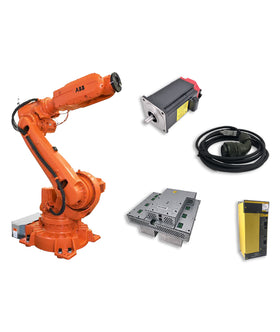
🔧 Recommended Parts for Teach Pendant no backlight

Key components commonly involved in teach pendant no backlight issues and replacements.

📘 Related Resources for Teach Pendant no backlight
  • No related articles found in this topic.
Articolo precedente ABB Teach Pendant Not Working: Causes, Troubleshooting & Repair Guide
Articolo successivo ABB Encoder Signal Loss in Industrial Robots: Causes, Diagnos is & Signal Cable Solutions

Lascia un commento

* Campi obbligatori

Blog posts

Confronta Prodotti

{"one"=>"Seleziona 2 o 3 articoli da confrontare", "other"=>"{{ count }} di 3 elementi selezionati"}

Seleziona il primo elemento da confrontare

Seleziona il secondo elemento da confrontare

Seleziona il terzo elemento da confrontare

Confrontare