
Salta il contenuto

KUKA KSS00041 Acceleration Limit Error – Causes, Symptoms & How to Fix

Error Code Overview

  • Error Code: KSS00041
  • Category: axis / Motion Control / Limits
  • Severity: High
  • System: Robot axes, KSP/KPP drives, encoders, KRC motion controller
  • Impact: axis motion may stop unexpectedly; potential mechanical stress if ignored

Quick Fix for KUKA KSS00041

If KUKA KSS00041 Acceleration Limit Error appears, follow these immediate steps:

  1. Stop robot motion immediately.
  2. Reduce acceleration and speed settings.
  3. Check payload and tool configuration.
  4. Inspect for mechanical resistance or obstruction.
  5. Restart motion at low speed for testing.

Tip: KSS00041 is often triggered by aggressive motion settings, incorrect payload data, or sudden load changes—not hardware failure.

What Does KUKA KSS00041 Mean?

KUKA KSS00041 Acceleration Limit Error occurs when one or more robot axes accelerate faster than the configured allowable limit.

The controller monitors:

  • axis acceleration values
  • Motion profile limits
  • Dynamic load behavior during movement

If acceleration exceeds the safe threshold, the robot stops motion to protect the mechanical and drive systems.

In simple terms:

The robot is trying to move too aggressively for its current settings or load condition.

Common Causes of KUKA KSS00041

Excessive Speed or Acceleration Settings

One of the most common causes is motion programmed too aggressively.

Examples include:

  • Acceleration values set too high
  • Speed override too aggressive
  • Sudden acceleration/deceleration commands

Incorrect Payload or Tool Data

Improper load configuration affects acceleration calculation.

Possible issues:

  • Payload weight set too low
  • Incorrect center of gravity values
  • Wrong tool selected in program

Mechanical Resistance or Binding

Resistance increases load during acceleration.

Potential causes:

  • Tight or worn gearbox
  • Bearing drag
  • Joint stiffness
  • Poor lubrication

Poor Motion Path Planning

Sharp path transitions can create acceleration spikes.

Examples:

  • Sudden direction changes
  • Tight cornering in path
  • Abrupt stop/start movements

Servo Drive or Feedback Issues

Less commonly, drive or feedback instability may contribute.

Possible faults:

  • Servo drive instability
  • Encoder feedback irregularities
  • Motion calculation mismatch

Recommended Components to Check

Component

Description

Inspection Purpose

Payload / Tool Data

Load settings

Verify accurate dynamic configuration

Servo Drives

axis drive hardware

Inspect for instability or faults

Encoder System

Motion feedback

Confirm accurate feedback values

Gearboxes / Bearings

Mechanical transmission

Check for resistance or wear

Robot Program

Motion path logic

Review acceleration commands

How to Troubleshoot KUKA KSS00041

Step 1 – Identify the Faulted axis

Use SmartHMI diagnostics to determine:

  • Which axis triggered the alarm
  • When the acceleration spike occurred
  • Which motion block caused the fault

Step 2 – Review Motion Program

Check for:

  • High acceleration commands
  • Sudden direction changes
  • Sharp motion transitions
  • Excessive speed override

Reduce parameters and retest.

Step 3 – Verify Payload Settings

Confirm:

  • Payload matches actual load
  • Center of gravity is accurate
  • Correct tool/TCP selected

Step 4 – Inspect Mechanical Components

Check for:

  • Binding joints
  • Tight gearbox movement
  • Lubrication condition
  • Mechanical drag

Step 5 – Inspect Servo and Feedback Systems

Verify:

  • Servo drives show normal status
  • Encoder feedback is stable
  • No related motion/drive alarms exist

Step 6 – Retest at Low Speed

After adjustments:

  1. Clear KSS00041 in SmartHMI
  2. Jog/test motion slowly
  3. Gradually increase speed to verify stability

Pro Diagnostic Tip

If KSS00041 happens only during fast moves but not slow moves:

The issue is almost always related to motion tuning, acceleration settings, or payload configuration.

If KSS00041 happens even at low speed:

Inspect for mechanical resistance or hardware-related issues.

Th is helps quickly separate programming issues from mechanical faults.

How to Fix KUKA KSS00041

Dependingon the cause, repair may include:

  • Reducing acceleration settings
  • Optimizing robot motion program
  • Correcting payload/tool data
  • Removing mechanical resistance
  • Repairing worn mechanical components
  • Replacing faulty drive/feedback hardware

How to Prevent KUKA KSS00041

To reduce future acceleration alarms:

  • Validate motion profiles before production
  • Keep payload data updated after tooling changes
  • Avoid overly aggressive acceleration programming
  • Inspect robot joints regularly
  • Monitor repeated acceleration warnings during maintenance

Related Errors

⚠️ These errors all relate to axis motion, configuration, and limits, forming a critical motion control cluster.

FAQ About KUKA KSS00041

Can the robot operate with KUKA KSS00041?

No. Motion is blocked until acceleration returns within safe limits.

Why does KUKA KSS00041 happen?

Common causes include:

  • Acceleration settings too high
  • Incorrect payload/tool data
  • Mechanical resistance
  • Aggressive motion programming

How do I fix KUKA KSS00041 quickly?

  1. Reduce speed/acceleration
  2. Verify payload settings
  3. Check for resistance/obstruction
  4. Test motion at low speed

Can repeated KSS00041 alarms damage the robot?

Yes. Repeated excessive acceleration can increase wearon drives, motors, and mechanical joints.

Explore the Full Guide: Industrial Robot Fault Codes Library  →  KUKA Error Codes

Explore the complete guide for troubleshooting, repair strategies, and component replacement across industrial robot systems.

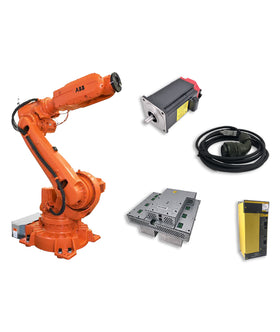
🔧 Recommended Parts for KUKA Error Code Repair

Key components commonly involved in kuka error code repair issues and replacements.

Articolo precedente KUKA KSS00022 Fieldbus Communication Error – Causes, Symptoms & How to Fix

Lascia un commento

* Campi obbligatori

Blog posts

Confronta Prodotti

{"one"=>"Seleziona 2 o 3 articoli da confrontare", "other"=>"{{ count }} di 3 elementi selezionati"}

Seleziona il primo elemento da confrontare

Seleziona il secondo elemento da confrontare

Seleziona il terzo elemento da confrontare

Confrontare