
Salta il contenuto

How to Fix FANUC System Alarm 300 – Causes and Solutions

If System Alarm 300 appears on your FANUC controller, take these immediate actions:

  • Power cycle the controller completely
  • Check CPU and memory module connections
  • Inspect internal cables and backplane connections
  • Reset the alarm and monitor system startup

These steps may temporarily restore operation while identifying the root cause.

What is FANUC System Alarm 300?

FANUC System Alarm 300 is a critical controller-level fault, typically related to CPU, memory, or internal communication errors.

This alarm is triggered when the system detects abnormal behavior that could compromise:

  • Program execution
  • Memory integrity
  • Controller stability

When it occurs, the controller may stop booting or halt all robot operations.

What Does System Alarm 300 Mean?

System Alarm 300 indicates that the controller has detected a serious internal fault, often involving:

  • CPU processing errors
  • Memory read/write failures
  • Internal bus or backplane communication issues

Typical impact:

  • Controller may fail to start properly
  • Robot programs cannot run
  • System may freeze or continuously alarm

Common Causes of FANUC System Alarm 300

CPU or Main Board Failure

The CPU is responsible for all controller operations.

Common issues:

  1. Hardware failure due to aging
  2. Overheating or electrical damage
  3. Internal processing faults

This is one of the most critical causes.

Memory Module Error

Memory issues can trigger system-level alarms.

  • Corrupted RAM or ROM
  • Loose or improperly seated memory modules
  • Data read/write failure

Internal Connection or Backplane Fault

The controller relies on stable internal communication.

  • Loose backplane connections
  • Damaged internal cables
  • Oxidized or worn connectors

Power Supply Instability

Unstable power can disrupt CPU and memory operation.

  • Voltage fluctuations
  • Faulty power supply unit
  • Poor grounding

Firmware or System Software Corruption

Software issues can cause system instability.

  • Corrupted firmware
  • Interrupted updates
  • Incompatible software versions

How to Troubleshoot FANUC System Alarm 300

Step 1: Perform a Full Power Cycle

  • Turn off the controller completely
  • Wait at least 2 minutes
  • Restart and observe system behavior

Step 2: Inspect CPU and Memory Modules

  • Reseat CPU and memory boards
  • Check for visible damage or overheating
  • Replace faulty modules if necessary

Step 3: Check Internal Connections

  • Inspect backplane and internal connectors
  • Ensure all boards are properly seated
  • Clean any oxidized contacts

Step 4: Verify Power Supply

  • Measure input voltage stability
  • Check power supply unit and fuses
  • Confirm proper grounding

Step 5: Reload Firmware / System Software

  • Restore from backup if available
  • Reinstall firmware if corruption is suspected
  • Verify compatibility of software versions

Step 6: Test and Monitor System

  • Restart controller
  • Observe boot sequence and alarms
  • Run basic operations to confirm stability

Pro Diagnostic Tip

1. Isolate Non-Essential Hardware Power on the controller and remove option boards or peripheral modules one by one. If the alarm clears, the last removed board is likely the culprit. You can then replace it from your FANUC board/power module inventory.

2. Inspect CPU and Memory Modules Try reseating the CPU and memory boards to ensure a solid connection. Inspect the hardware for signs of overheating or visible damage. If the alarm persists after reseating, the boards may be defective and require replacement.

3. Verify the Power Supply Unit (PSU) Check the PSU for voltage stability and ensure proper grounding. If you encounter intermittent system faults, replacing the PSU is often the most effective way to restore stability.

4. Field Isolation Strategy This systematic approach helps you quickly distinguish between internal hardware faults (CPU/Memory/PSU) and external peripheral issues, minimizing downtime and ensuring long-term controller reliability.

Preventing System Alarm 300

  • Maintain stable and clean power supply
  • Inspect internal boards and connections regularly
  • Keep controller environment within temperature limits
  • Perform regular system backups
  • Avoid interrupting firmware updates

Related FANUC Alarm Codes

These alarms often indicate broader controller-level problems.

Conclusion

  • FANUC System Alarm 300 is a critical internal controller fault, usually involving CPU, memory, or system communication issues.
  • Most cases require hardware inspection or firmware recovery, and in severe situations, board replacement may be necessary.
  • Early diagnosis and proper maintenance can prevent system downtime and protect controller integrity.

FAQ

Q1: What causes FANUC System Alarm 300?

Common causes include CPU failure, memory errors, internal connection faults, power instability, or firmware corruption.

Q2: Is System Alarm 300 serious?

Yes, it is a critical alarm that can stop the controller from operating.

Q3: Can I fix it by resetting the controller?

Only if the issue is temporary. Persistent alarms require hardware or firmware troubleshooting.

Q4: What should I check first?

Start with power supply, then check CPU and memory modules.

Explore the Full Guide: Industrial Robot Fault Codes Library  →  Fanuc Alarm Codes

Explore the complete guide for troubleshooting, repair strategies, and component replacement across industrial robot systems.

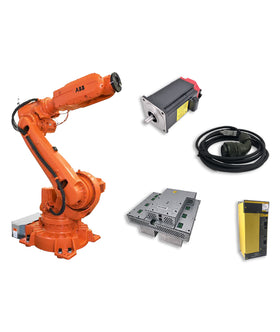
🔧 Recommended Parts for Fanuc alarm Troubleshooting

Key components commonly involved in fanuc alarm troubleshooting issues and replacements.

📘 Related Resources for Fanuc Alarm Codes
  • No related articles found in this topic.
Articolo precedente KUKA KSS15019 Error – Intermittent Robot Motion Stop & Drive Fault Diagnostics Guide

Lascia un commento

* Campi obbligatori

Blog posts

Confronta Prodotti

{"one"=>"Seleziona 2 o 3 articoli da confrontare", "other"=>"{{ count }} di 3 elementi selezionati"}

Seleziona il primo elemento da confrontare

Seleziona il secondo elemento da confrontare

Seleziona il terzo elemento da confrontare

Confrontare