
Salta il contenuto

ABB Teach Pendant LCD Failure - Causes, Symptoms, Diagnos is & Repair Guide (IRC5 / OmniCore)

What Is ABB Teach Pendant LCD Failure?

An ABB teach pendant LCD failure refers to a display system malfunction where the screen cannot properly show visual information, even though the pendant may still be powered or partially responsive.

This condition is not always a complete screen failure. In real field diagnostics, LCD issues often fall into three categories:

  • Backlight failure (image invisible but panel active)
  • LCD panel or matrix failure (physical display damage)
  • Signal or controller-related display distortion

Understanding this distinction is critical for reducing unnecessary replacement costs and downtime.

⚠️ Platform Note: IRC5 vs OmniCore Compatibility

ABB uses different display architectures depending on controller generation:

  • IRC5 FlexPendant systems (e.g. DSQC 679 / DSQC 1018)
  • OmniCore generation pendants

These systems use different display interface standards and LCD modules.

Always verify the exact DSQC part number before ordering replacement LCD components to avoid compatibility issues.

Core Symptoms of ABB LCD Failure

1. Backlight On, No Visible Image

What you observe:

  • Screen is lit (white/gray glow)
  • No UI, no boot logo, no text

Likely causes:

  • LCD panel failure
  • LVDS signal loss
  • Internal display connection failure

Quick check: flashlight test (see diagnostic section)

2. Cracked Screen or Liquid Bleeding

What you observe:

  • Visible cracks on display
  • Black ink-like spreading
  • Permanent dark zones

Root cause:

  • Physical LCD damage (non-repairable)

✔ In this case, full LCD module replacement is required.

3. Flickering or Intermittent Display

What you observe:

  • Screen randomly turns on/off
  • Image changes when cable is moved
  • Temporary recovery when adjusting pendant position

Likely causes:

  • Worn pendant cable
  • Loose internal LVDS connector
  • Signal instability between controller and pendant

4. Partial Display / Dead Zones

What you observe:

  • Missing sections of UI
  • Horizontal or vertical blank lines
  • Half-screen visibility only

Root cause:

  • LCD matrix damage
  • Driver IC failure inside panel

5. Distorted or Garbled Image

What you observe:

  • Random colors or artifacts
  • Broken interface layout
  • Unreadable text output

Likely causes:

  • Signal interference
  • Controller output instability
  • LCD driver malfunction

Step-by-Step Diagnostic Checklist

Step 1 — Backlight vs Image Test (Critical)

Use a flashlight and inspect the screen at an angle:

  • If faint images are visible → Backlight issue
  • If completely blank → Signal or LCD failure

This is the fastest way to separate major failure types.

Step 2 — Cable Movement Test

Gently move the pendant cable while observing the screen:

  • Image flickers → Cable or connector issue
  • No change → move to next step

Cable failure is one of the most common root causes in ABB systems.

Step 3 — Internal Connector Inspection

If safe to access:

  • Check LCD ribbon cable
  • Inspect LVDS connectors
  • Reseat connections if loose

Step 4 — Cross-Device Validation

If available:

  • Connect another ABB teach pendant
Result Interpretation
New pendant works Original pendant faulty
Same issue persists Controller-side problem

Step 5 — Controller Output Check

If multiple pendants show the same issue:

  • Inspect controller display output board
  • Check system-level communication faults

High Frequency Diagnostic Insight

In real industrial environments:

Over 60% of “LCD failures” are not actual panel damage
but cable, connector, or signal instability issues

This is why premature LCD replacement often leads to unnecessary cost.

When It’s NOT an LCD Problem

Not all display issues originate from the LCD itself.

1. Thermal or System Hang Conditions

In high-temperature environments (e.g. welding cells, foundries):

  • Controller CPU may overheat
  • System may temporarily freeze
  • Screen may appear stuck or abnormal

In some cases, cooling or rebooting restores normal display behavior.

2. Power Instability

  • Fluctuating 24V supply
  • Controller voltage drops

May cause:

  • Flickering screen
  • Temporary blackout
  • Reboot loop display issues

Repair vs Replacement Decision Logic

✔ Replace LCD Module When:

  • Screen is physically cracked or leaking
  • Permanent dead pixels or matrix failure
  • Backlight completely non-functional

✔ Repair / Inspect First When:

  • Flickering display
  • Intermittent image loss
  • Cable movement affects screen behavior

✔ Investigate Controller When:

  • Multiple pendants fail simultaneously
  • New LCD still shows same issue
  • Display output abnormal from controller

Technical Trust Notes

  • ABB LCD modules are industrial-grade TFT panels, designed for vibration resistance
  • However, long-term exposure leads to:
  • Backlight degradation
  • Connector wear
  • Signal drift in LVDS lines
  • In high-duty-cycle applications:
  • Automotive welding lines
  • 24/7 machining cells
    → LCD-related failures often correlate with cable fatigue rather than panel damage

Pro Diagnostic Tip

Before replacing an ABB LCD module:

Perform flashlight test
Perform cable movement test
Verify DSQC compatibility
Rule out controller-side faults

Skipping these steps often results in:

  • Unnecessary LCD replacement
  • Higher downtime cost
  • Misdiagnosed system faults

Repair Strategy Summary

Condition Recommended Action
Cracked screen Replace LCD module
Flickering display Check cable first
No image but backlight present Check signal/LVDS
System-wide issue Inspect controller

Related Diagnostic Topics

This issue is often confused with:

  • ABB Teach Pendant Black Screen
  • ABB Touchscreen Not Responding
  • ABB Pendant Power Failure

Full diagnostic structure available in: Teach Pendant Failure Hub

FAQ

1. Is ABB teach pendant LCD failure always a screen defect?

No. In many cases, it is not a pure LCD panel failure.

For ABB teach pendants, similar symptoms can also be caused by:

  • Cable or LVDS signal issues
  • Backlight circuit failure
  • Controller-side communication problems

Physical LCD damage is only one possible root cause.

2. What is the difference between backlight failure and LCD failure?

  • Backlight failure:
    Screen appears dark, but faint images may be visible under light.
  • LCD failure:
    Screen shows no image, distortion, dead pixels, or display corruption.

The flashlight test is the fastest way to distinguish them.

3. Can I replace only the LCD panel in an ABB teach pendant?

It depends on the model.

For ABB IRC5 / OmniCore systems:

  • Some models allow LCD module-level replacement
  • Others requirefullfull FlexPendant replacement

Always verify the DSQC part number before ordering components.

4. Why does the screen flicker when I move the cable?

This usually indicates:

  • Worn or broken pendant cable
  • Loose internal connector
  • LVDS signal instability

In most cases, the LCD panel itself is not the problem.

5. When should I replace the pendant instead of repairing it?

Replacement is recommended when:

  • LCD is physically cracked or leaking
  • Display has permanent dead zones
  • Multiple internal failures occur simultaneously

If symptoms are intermittent, always check cable and signal first.

Explore the Full Guide: Industrial Robot Teach Pendant Center  →  ABB Teach Pendant LCD Failure

Explore the complete guide for troubleshooting, repair strategies, and component replacement across industrial robot systems.

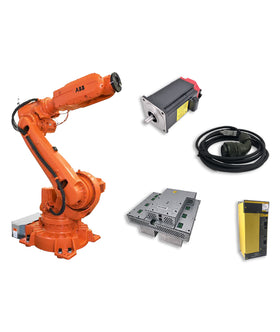
🔧 Recommended Parts for ABB Teach Pendant LCD Failure

Key components commonly involved in abb teach pendant lcd failure issues and replacements.

📘 Related Resources for ABB Teach Pendant LCD Failure
  • No related articles found in this topic.
Articolo precedente KUKA KSS15019 Error – Intermittent Robot Motion Stop & Drive Fault Diagnostics Guide

Lascia un commento

* Campi obbligatori

Blog posts

Confronta Prodotti

{"one"=>"Seleziona 2 o 3 articoli da confrontare", "other"=>"{{ count }} di 3 elementi selezionati"}

Seleziona il primo elemento da confrontare

Seleziona il secondo elemento da confrontare

Seleziona il terzo elemento da confrontare

Confrontare