
Zu Inhalt springen

Teach Pendant LCD Failure Causes, Symptoms & Diagnostic Guide for Industrial Robots

When a Teach Pendant Display Starts Failing

A teach pendant LCD failure can quickly disrupt robot operation—not because the robot stops, but because you lose visibility and control of the system interface.

Common real-world scenarios include:

  • Screen suddenly goes black
  • Display becomes dim or unreadable
  • UI freezes during operation
  • Graphics appear distorted or flicker

In most cases, this is not a simple screen issue, but a system-level problem involving power, signal, or communication.

A technical diagram comparing two troubleshooting scenarios for a robot teach pendant: a backlight failure showing a faint screen image versus a power/signal failure with a completely blank screen.

What Is Teach Pendant LCD Failure?

Teach pendant LCD failure refers to any condition where the display does not function correctly, including:

  • Black screen
  • No backlight
  • Flickering display
  • Frozen interface
  • Distorted or partial graphics

⚠️ Quick Distinction (Start Here)

Before diagnosing, identify your exact symptom:

  • Black but powered → Teach Pendant Black Screen
  • Completely unresponsive → Teach Pendant Not Working
  • Touch not responding → Touchscreen Not Responding

This page is a diagnostic hub to guide you to the correct root cause.

Quick Diagnos is Entry (Start Here)

If your teach pendant shows any of the following:

  • Black or blank screen
  • Dim display / no backlight
  • Flickering or unstable image
  • Frozen UI
  • Distorted graphics

Follow the symptom-based paths below to identify the issue quickly.

Symptom-Based Diagnostic Paths

1. Black Screen (Most Misdiagnosed)

Possible causes:

  • Power supply failure
  • Backlight failure
  • Communication loss
  • Cable damage

Start here:
→ Teach Pendant Black Screen (Full Diagnostic Guide)

2. No Backlight / Dim Screen

Possible causes:

  • Backlight inverter failure
  • 24V instability
  • Internal display circuit issue

Often confused with Teach Pendant No Backlight, but actually a visibility issue, not signal loss.

3. Flickering or Intermittent Display

Possible causes:

  • Cable fatigue (most common)
  • Connector wear
  • Signal instability
  • Voltage fluctuation

Strong indicator of mechanical wear, not LCD damage.

4. Frozen or Unresponsive Screen

Possible causes:

  • Controller system freeze
  • Software crash
  • Communication timeout

In this case, the display is working—but the system behind it is not.

Root Cause Mapping (Fast Decision)

Symptom Most Likely Cause
Black screen Power / signal / cable
Dim screen Backlight / power
Flickering Cable / connection
Frozen UI Controller / software

This helps you quickly decide:
Power vs Signal vs Display vs Controller

Cross-Brand Differences (Why It Matters)

Different brands fail differently:

Brand Most Likely Cause What It Means
ABB Signal / cable issues Check LVDS & connectors
FANUC Backlight / power Check inverter & 24V
KUKA System freeze Check controller status
Yaskawa External power / cable Check supply & cable integrity

This helps you quickly decide: power vs signal vs display vs controller

Brand-Specific Diagnostic Guides

For deeper troubleshooting, go directly to your system:

These pages provide model-specific faults, parts, and repair paths

High-Frequency Root Cause Insight

Across industrial robot systems:

50–70% of “LCD failures” are NOT actual LCD damage

Most real causes are:

  • Power instability
  • Cable degradation
  • Communication issues

Replacing the screen without diagnos is often leads to repeat failure.

Repair vs Replacement Decision Guide

Replace the Display When:

  • Screen is physically cracked
  • LCD matrix damage confirmed
  • Backlight permanently failed

Diagnose First When:

  • Flickering or intermittent display
  • Symptoms change when cable moves
  • No visible physical damage

Check Controller When:

  • Multiple pendants show same issue
  • Replacement pendant does not fix problem
  • System logs show faults

Recommended Diagnostic Workflow

Before replacing any teach pendant:

  1. Verify 24V power stability
  2. Perform flashlight test (backlight check)
  3. Inspect cable and connectors
  4. Check controller status
  5. Swap with known-good pendant

This workflow eliminates most misdiagnoses in real factories

Preventive Maintenance (Reduce Failures)

Most LCD-related issues are preventable.

Best practices:

  • Avoid cable bending and torsion
  • Regularly inspect connectors
  • Maintain stable power supply
  • Control cabinet temperature
  • Protect pendant from impact and contamination

In real factories, failures are usually caused by:

  • Cable fatigue
  • Voltage instability
  • Harsh environments (heat, vibration, dust)

Why This Hub Matters

Without structured diagnos is:

  • You may replace the wrong component
  • Hidden controller issues remain unresolved
  • The same failure returns

This hub ensures correct diagnos is before action, saving time and cost.

Related Diagnostic Guides

To continue troubleshooting:

These pages form a complete diagnostic ecosystem

FAQ

1. Is LCD failure always a damaged screen?

No. Most cases are caused by:

  • Power instability
  • Communication loss
  • Cable issues

True LCD damage is less common than expected.

2. Fastest way to check LCD vs backlight?

Use flashlight test:

  • Faint image → backlight failure
  • No image → signal or power issue

3. Can cable cause display issues?

Yes—very often.

Cable faults can cause:

  • Flickering
  • Intermittent black screen
  • Signal loss

This is one of the most misdiagnosed causes.

4. When should I replace the pendant?

Only when:

  • Screen is cracked
  • LCD matrix is damaged
  • Backlight cannot be repaired

5. Why does reboot temporarily fix it?

If reboot works:

  • Problem is likely controller or software
  • Not LCD hardware

Explore the Full Guide: Industrial Robot Teach Pendant Center  →  Teach Pendant Lcd Failure

Explore the complete guide for troubleshooting, repair strategies, and component replacement across industrial robot systems.

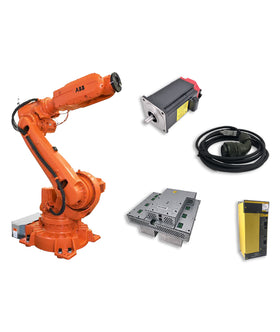
🔧 Recommended Parts for Teach Pendant Lcd Failure

Key components commonly involved in teach pendant lcd failure issues and replacements.

📘 Related Resources for Teach Pendant Lcd Failure
  • No related articles found in this topic.
Vorheriger Artikel Teach Pendant Flickering: Causes, Intermittent Display & How to Fix
Nächster Artikel Teach Pendant Black Screen: Causes, Diagnosis & Fix Guide

Einen Kommentar hinterlassen

* Erforderliche Felder

Blog posts

Produkte vergleichen

{"one"=>"Wählen Sie 2 oder 3 Artikel zum Vergleichen aus", "other"=>"{{ count }} von 3 Elementen ausgewählt"}

Wählen Sie das erste zu vergleichende Element aus

Wählen Sie das zweite zu vergleichende Element aus

Wählen Sie das dritte Element zum Vergleichen aus

Vergleichen