
Skip to content

Teach Pendant Black Screen: Causes, Fixes, and Prevention Guide

A teach pendant black screen is one of the most disruptive failures in industrial robotics. Even when the robot itself is mechanically healthy, losing the human‑machine interface can immediately stop production, delay troubleshooting, and increase downtime costs.

This comprehensive guide explains the common causes, step‑by‑step diagnostics, brand‑specific considerations, and reliable replacement solutions for ABB, FANUC, and KUKA robot systems.

Why a Teach Pendant Black Screen Matters

The teach pendant is the primary control interface between operators and the robot controller. When the display goes black, teams may lose the ability to:

  • Jog robot axes safely

  • Load, edit, or start programs

  • Reset alarms and resume production

  • Monitor real‑time robot status

In real factory environments, this means production downtime begins immediately, even if the robot hardware is still functional.

Most Common Causes of a Black Screen

1. Damaged Teach Pendant Cable

Cable wear, internal conductor breakage, or shielding degradation can interrupt:

  • Power delivery to the pendant

  • Communication signals with the controller

  • Safety circuit transmission (E‑stop and deadman)

This is the most frequent real‑world root cause across ABB, FANUC, and KUKA systems.

2. Loose, Contaminated, or Oxidized Connectors

Industrial environments expose connectors to vibration, dust, oil mist, and humidity. Poor electrical contact can cause:

  • Intermittent display loss

  • Random disconnects

  • Complete black screen at startup

3. Internal Teach Pendant Hardware Failure

Possible internal faults include:

  • LCD backlight or display panel failure

  • Power regulation board damage

  • Internal ribbon cable loosening

  • Button board short circuits

These situations usually require professional repair or full pendant replacement.

4. Controller‑Side Power or Communication Issues

Sometimes the pendant is not the true source of failure. Controller problems may include:

  • Low‑voltage output instability

  • Communication board malfunction

  • Blown internal fuses or power modules

Accurate diagnosis must consider the entire signal chain from controller to pendant.

Step‑by‑Step Troubleshooting Process

Step 1 — Inspect the Cable

Check for sharp bends, crushed insulation, exposed shielding, or strain‑relief damage near connectors.

Step 2 — Reseat All Connectors

Disconnect and firmly reconnect both controller‑side and pendant‑side plugs to eliminate poor contact.

Step 3 — Test With a Known‑Good Spare

Swapping in a working cable or pendant is often the fastest isolation method in maintenance practice.

Step 4 — Verify Controller Power Output

If safety procedures allow, measure voltage at the pendant interface to confirm stable power delivery.

Brand‑Specific Notes

FANUC Teach Pendant Black Screen

Common causes include cable fatigue, button board failure, or internal display damage. Detailed FANUC troubleshooting steps can be found in the dedicated repair guide within this blog.

ABB FlexPendant Black Screen

ABB systems may experience communication interruptions through DSQC interface boards or damaged FlexPendant cables, requiring signal verification and cable inspection.

KUKA smartPAD Black Screen

KUKA failures are frequently related to KCP/smartPAD cable wear or controller communication instability, especially in high‑flex applications.

Repair or Replace: Making the Right Decision

Situation Recommended Action
Cable damage confirmed Replace cable immediately
Connector contamination Clean or replace connector
Internal pendant hardware fault Repair or replace pendant
Controller power instability Service controller components

In many real production scenarios, replacing a faulty teach pendant cable is the fastest and most cost‑effective recovery step.

How to Prevent Future Black Screen Failures

  • Avoid tight bends near pendant connectors

  • Never hang the pendant by its cable

  • Store cables using smooth service loops

  • Perform periodic visual inspections

  • Keep spare tested cables available onsite

Preventive care significantly reduces unexpected downtime risk.

Reliable Replacement and Support

At inrobots.shop, we supply:

  • OEM‑quality and verified compatible teach pendant cables

  • Stable signal transmission with industrial‑grade shielding

  • Fast global availability to minimize downtime

  • Compatibility verification support for ABB, FANUC, and KUKA

Our goal is simple: help maintenance teams restore robot operation quickly, safely, and cost‑effectively.

Explore compatible teach pendant cables and replacement solutions at inrobots.shop to keep your production running without interruption.

Related Troubleshooting Guides

  • FANUC teach pendant black screen and button failure repair guide
  • ABB FlexPendant communication fault diagnostics
  • KUKA smartPAD connection troubleshooting
  • Replace a damaged teach pendant cable
  • OEM‑quality replacement teach pendants

Explore the Full Guide: Industrial Robot Spare Parts  →  Industrial Robot Teach Pendant Center

Explore the complete guide for troubleshooting, repair strategies, and component replacement across industrial robot systems.

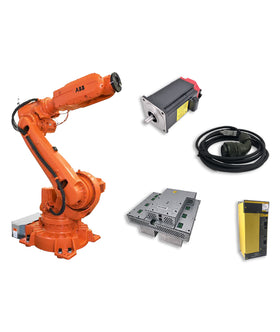
🔧 Recommended Parts for Teach Pendants

Key components commonly involved in teach pendants issues and replacements.

Previous article KUKA KSS01306 DC Bus Overvoltage Error – Causes, Symptoms & How to Fix

Leave a comment on this topic

* Required fields

Blog posts

Compare products

{"one"=>"Select 2 or 3 items to compare", "other"=>"{{ count }} of 3 items selected"}

Select first item to compare

Select second item to compare

Select third item to compare

Compare