
Zu Inhalt springen

Teach Pendant Flickering: Causes, Intermittent Display & How to Fix

When Your Teach Pendant Screen Starts Flickering

If your teach pendant display is flickering, flashing, or intermittently losing image, the robot may still be running—but the interface becomes unreliable and difficult to use.

In real industrial environments, this often appears as:

  • Screen flickers when moving the cable
  • Image cuts in and out randomly
  • Display stabilizes after reboot, then fails again
  • Brightness fluctuates or screen flashes

⚠️ In most cases, flickering is not caused by LCD panel damage
It is usually a signal or connection problem

What Does Teach Pendant Flickering Mean?

Teach pendant flickering refers to an unstable or intermittent display signal, including:

  • Rapid flashing or blinking screen
  • Intermittent image loss
  • Distorted or jumping graphics
  • Brightness instability

Unlike a black screen, flickering indicates:
The system is partially working—but the signal is unstable

⚠️ Quick Distinction (Avoid Misdiagnos is)

Before troubleshooting, identify your exact issue:

  • Completely black → Teach Pendant Black Screen
  • Dim but visible → Teach Pendant No Backlight
  • Touch not responding → Touchscreen Not Responding
  • Entire pendant dead → Teach Pendant Not Working

This page focuses specifically on intermittent / unstable display issues

Why Flickering Happens (Core Logic)

A stable display requires:

  • Continuous power supply
  • Stable video signal (LVDS / internal signal)
  • Reliable cable connection

Flickering occurs when any of these becomes unstable

Most Common Causes (Ranked by Frequency)

1. Cable Fatigue or Internal Wire Break (Most Common)

Symptoms:

  • Flickering when cable is bent or moved
  • Screen recovers when cable position changes

Cause:

  • Internal conductors break after repeated bending

This is the #1 real-world cause

2. Loose or Worn Connectors

Symptoms:

  • Intermittent signal loss
  • Flicker when connector is touched

Cause:

  • Connector wear, oxidation, or poor contact

3. Signal Interference / LVDS Instability

Symptoms:

  • Random flickering without movement
  • Distorted or jumping graphics

Cause:

  • Weak or unstable signal transmission

4. Power Supply Fluctuation

Symptoms:

  • Brightness fluctuation
  • Flicker during robot motion or load change

Cause:

  • Unstable 24V supply

5. Internal Display Circuit Issue (Less Common)

Symptoms:

  • Persistent flickering not affected by cable movement

Cause:

  • Faulty display board or internal electronics

Fast Diagnos is (Field-Tested)

Step 1 — Cable Movement Test

Gently move the pendant cable:

  • Flicker changes → Cable failure confirmed
  • No change → continue diagnos is

Step 2 — Connector Inspection

Check:

  • Pendant-side connector
  • Controller-side connector

Look for:

  • Loose fit
  • Bent pins
  • Contamination

Step 3 — Power Stability Check

  • Measure 24V supply
  • Observe if flicker correlates with machine load

Step 4 — Swap Test

Use a known-good pendant:

  • Issue disappears → original pendant/cable fault
  • Issue remains → controller or power issue

Root Cause Mapping

Symptom Pattern Likely Cause
Flicker when cable moves Cable fatigue
Random flicker Signal instability
Brightness fluctuation Power issue
Persistent flicker Internal hardware

Cross-Brand Characteristics

Brand Common Flickering Cause What to Check
ABB Cable / LVDS signal Harness, connectors
FANUC Cable / backlight power Cable, inverter
KUKA System + cable mix smartPAD cable, controller
Yaskawa Cable fatigue Pendant cable integrity

Across all brands:
Cable-related issues dominate

Repair vs Replacement Guide

Replace Cable When:

  • Flickering changes with movement
  • Intermittent connection confirmed

Repair / Clean When:

  • Connector contamination found
  • Loose connection identified

Replace Display When:

  • Flickering is constant
  • Not affected by cable or power
  • Internal failure confirmed

Check Controller When:

  • Multiple pendants show same issue
  • Signal instability persists after replacement

Pro Diagnostic Insight

⚠️ Most engineers misdiagnose flickering as LCD failure

In reality:

  • 60%+ cases = cable damage
  • 20–30% = connector issues
  • <10% = actual display failure

Replacing the LCD alone often does not fix the problem

Preventive Maintenance

To avoid flickering issues:

  • Avoid repeated cable bending
  • Secure cable routing
  • Inspect connectors regularly
  • Maintain stable power supply
  • Reduce vibration and mechanical stress

Related Diagnostic Guides

  • Teach Pendant LCD Failure (Hub)
  • Teach Pendant Black Screen
  • Teach Pendant No Backlight
  • Teach Pendant Not Working
  • Controller Communication Fault

Follow these guides if symptoms evolve

FAQ

Is flickering always a cable problem?

Not always—but most of the time it is.

Can flickering damage the system?

Not directly, but it:

  • Affects operation accuracy
  • Increases risk during manual control

Why does flickering stop temporarily?

Because:

  • Cable position changes
  • Contact temporarily restores

Should I replace the screen first?

No. Always check:

  1. Cable
  2. Connectors
  3. Power

Can power issues cause flickering?

Yes — especially unstable 24V supply.

Explore the Full Guide: Industrial Robot Teach Pendant Center  →  Teach Pendant Flickering

Explore the complete guide for troubleshooting, repair strategies, and component replacement across industrial robot systems.

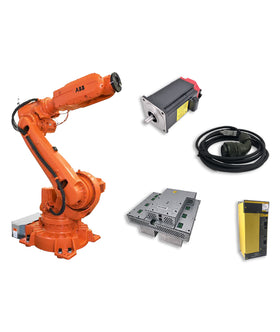
🔧 Recommended Parts for Teach Pendant Flickering

Key components commonly involved in teach pendant flickering issues and replacements.

📘 Related Resources for Teach Pendant Flickering
  • No related articles found in this topic.
Vorheriger Artikel Teach Pendant Cable Failure: Symptoms, Causes & Replacement Guide
Nächster Artikel Teach Pendant LCD Failure Causes, Symptoms & Diagnostic Guide for Industrial Robots

Einen Kommentar hinterlassen

* Erforderliche Felder

Blog posts

Produkte vergleichen

{"one"=>"Wählen Sie 2 oder 3 Artikel zum Vergleichen aus", "other"=>"{{ count }} von 3 Elementen ausgewählt"}

Wählen Sie das erste zu vergleichende Element aus

Wählen Sie das zweite zu vergleichende Element aus

Wählen Sie das dritte Element zum Vergleichen aus

Vergleichen