
Zu Inhalt springen

KUKA KSS00017 Brake Test Error – Causes, Symptoms & How to Fix

Error Code Overview

  • Error Code: KSS00017
  • Category: Safety Monitoring / Motion Enable / Brake System
  • Severity: High (Safety Critical)
  • System: KSP Servo Drives / CCU (Cabinet Control Unit) / Safety Controller
  • Impact: The robot is prohibited from entering "Automatic" or "Automatic External" modes; motion is inhibited until a successful test is recorded. If the test fails during execution, an Emergency Stop (STOP 0) is triggered.

Quick Fix for KUKA KSS00017

If KUKA KSS00017 Brake Test Error appears, take these immediate actions:

  1. Stop all robot motion immediately.
  2. Ensure the robot is completely stationary.
  3. Reset the fault via SmartHMI.
  4. Check which axis failed the brake test.
  5. Re-run the brake test after inspection.
  6. Test robot motion at low speed if the fault clears.

Tip: Temporary brake signal issues may clear after reset, but repeated alarms usually indicate a developing mechanical or electrical brake problem.

What Does KUKA KSS00017 Mean?

KUKA KSS00017 Brake Test Error occurs when the controller detects that one or more axis brakes fail the automatic brake test procedure.

Brake testing is a mandatory safety function that verifies:

  • axis brakes engage correctly
  • axis brakes release properly
  • The robot can safely hold position during power loss or Emergency Stop

If the brake test fails, the controller disables motion to prevent uncontrolled axis movement.

In simple terms:

The robot cannot confirm brake system reliability, so operation is blocked for safety reasons.

Common Causes of KUKA KSS00017

Brake Wear or Mechanical Degradation

Brake components wear over time, especially in high-cycle production environments.

Possible issues include:

  • Brake disc wear
  • Friction surface contamination
  • Weak brake springs
  • Mechanical sticking

Unstable Brake Voltage Supply

Brake release requires stable voltage from the power system.

Common electrical causes:

  • 24V brake supply drop
  • Power fluctuations from KPP module
  • Loose brake wiring or connectors

Servo Drive Coordination Fault

Brake timing must synchronize with motor torque output.

Potential issues include:

  • KSP drive timing mismatch
  • Incorrect brake release sequence
  • Torque command interruption during test

Encoder or Feedback Errors

Incorrect feedback may cause the controller to falsely detect brake failure.

Possible causes:

  • Encoder drift
  • Resolver signal instability
  • Position feedback inconsistency

Recommended Replacement Parts

Component

Description

Part Number / Type

KUKA KSP Drive Module

Controls brake release timing

00-198-265 (600-3x20)

KUKA KPP Power Pack

Provides 24V brake supply

00-198-263 (600-20)

Servo Motor Brakes

Mechanical holding components

axis 1-6 Specific

Brake Feedback Cables

Shielded signal transmission

High-Flex X20/X30

How to Troubleshoot KUKA KSS00017

Step 1 – Identify the Faulted axis

Review SmartHMI diagnostics to determine which axis failed the brake test.

Step 2 – Confirm Proper Test Conditions

Verify:

  • Robot is stationary
  • No active motion command exists
  • Brake test is executed under proper startup conditions

Step 3 – Inspect Brake Components

Check for:

  • Brake wear
  • Surface contamination
  • Mounting looseness
  • Abnormal friction resistance

Step 4 – Check Brake Voltage and Wiring

Inspect:

  • Brake coil resistance
  • Voltage during brake activation
  • Connector condition
  • Wiring stability

Step 5 – Inspect Servo Drives

Review KSP/KPP diagnostics for:

  • Related servo faults
  • Brake timing abnormalities
  • Drive synchronization issues

Step 6 – Reset and Re-Test

After inspection:

  1. Clear KSS00017 in SmartHMI
  2. Perform brake test again
  3. Confirm successful completion

Step 7 – Validate Motion Performance

Run the affected axis at low speed and observe:

  • Brake release smoothness
  • Holding stability during stop
  • Repeat fault occurrence

Pro Diagnostic Tip

Experienced technicians often diagnose intermittent KSS00017 faults by measuring brake voltage during release.

Watch for:

  • Voltage drop below nominal value
  • Delayed brake release timing
  • Unstable holding after power-off

In many field cases, hidden voltage fluctuation—not brake wear—is the real cause of recurring KSS00017 alarms.

How to Fix KUKA KSS00017

Dependingon the root cause, repair may include:

  • Replacing worn brake discs or springs
  • Repairing brake coil or solenoid faults
  • Replacing damaged brake cables/connectors
  • Stabilizing brake voltage supply
  • Replacing faulty KSP/KPP drive modules
  • Correcting brake test sequence/configuration

How to Prevent KUKA KSS00017

To reduce future brake test failures:

  • Perform scheduled brake inspections
  • Monitor brake voltage regularly
  • Keep brake surfaces clean and dry
  • Check servo drive health during maintenance
  • Log repeated brake alarms for trend analys is

Related KUKA Error Codes

⚠️ Closely related to brake system behavior, torque interaction, and motion safety stability.

FAQ About KUKA KSS00017

Can the robot operate with KSS00017?

No. Motion is blocked until the brake system passes the test.

Why does KSS00017 occur randomly?

  • Brake wear
  • Voltage instability
  • Drive interaction issues
  • Incorrect test conditions

What is the fastest way to fix it?

  • Ensure robot is stationary
  • Inspect brake components
  • Check electrical system
  • Reset and rerun brake test Is KSS00017 a safety-related error?

    Yes. It directly affects the robot’s ability to safely hold position.

Explore the Full Guide: Industrial Robot Fault Codes Library  →  KUKA Error Codes

Explore the complete guide for troubleshooting, repair strategies, and component replacement across industrial robot systems.

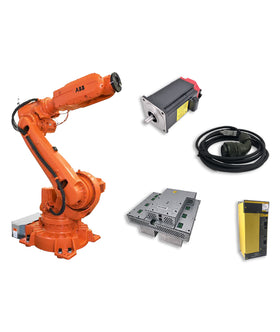
🔧 Recommended Parts for KUKA Error Troubleshooting

Key components commonly involved in kuka error troubleshooting issues and replacements.

Vorheriger Artikel UR Joint Overload Error – Symptoms & Diagnostic Guide

Einen Kommentar hinterlassen

* Erforderliche Felder

Blog posts

Produkte vergleichen

{"one"=>"Wählen Sie 2 oder 3 Artikel zum Vergleichen aus", "other"=>"{{ count }} von 3 Elementen ausgewählt"}

Wählen Sie das erste zu vergleichende Element aus

Wählen Sie das zweite zu vergleichende Element aus

Wählen Sie das dritte Element zum Vergleichen aus

Vergleichen