
Skip to content

KUKA KSS00014 Torque Monitoring Error – Causes, Troubleshooting & How to Fix

Error Code Overview

  • Error Code: KSS00014
  • Category: Torque / Safety / axis Monitoring
  • Severity: High
  • System: KRC Controller / KUKA Servo Drives (KSP/KPP)
  • Impact: Robot stops motion to prevent mechanical overload or damage

Quick Fix for KUKA KSS00014

If KUKA KSS00014 Torque Monitoring Error appears, follow these immediate steps:

  1. Stop robot motion immediately.
  2. Inspect for excessive load or mechanical resistance.
  3. Verify payload and tool data settings.
  4. Check for obstruction or tight mechanical movement.
  5. Reset the alarm in SmartHMI and test at reduced speed.

Tip: Repeated KSS00014 alarms usually indicate overload, resistance, or incorrect robot configuration—not controller failure.

What Does KUKA KSS00014 Mean?

KUKA KSS00014 Torque Monitoring Error occurs when one or more robot axes exceed the configured torque threshold during movement.

Torque monitoring protects the robot by comparing:

  • Expected axis load
  • Actual servo torque output
  • Configured safety torque limits

If torque demand remains above the allowable range, the controller stops motion to prevent damage.

In simple terms:

The robot detected that an axis is working harder than it should and stopped to protect the motor and mechanics.

Common Causes of KUKA KSS00014

Excessive Payload or Incorrect Load Settings

One of the most common causes is improper payload configuration.

Examples include:

  • Payload heavier than robot rating
  • Incorrect payload entered in controller
  • Wrong center of gravity settings

Mechanical Resistance or Binding

Abnormal friction increases torque demand.

Possible causes:

  • Tight gearbox
  • Bearing wear
  • Joint stiffness
  • Poor lubrication

Mechanical Obstruction

External resistance may overload the axis.

Examples:

  • Tooling interference
  • Fixture collision
  • Workpiece blocking motion

Aggressive Motion Parameters

Motion settings may demand more torque than the axis can safely provide.

Typical causes:

  • Excessive acceleration
  • Sudden stops/starts
  • Sharp directional changes

Servo or Drive Performance Issues

Electrical performance problems may affect torque output.

Potential faults:

  • Servo motor degradation
  • Drive instability
  • Feedback/load calculation issues

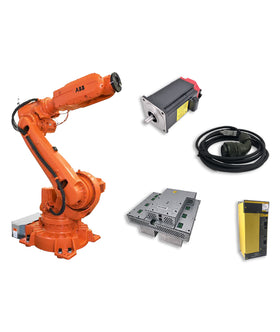
Recommended Components to Check

Component

Description

Inspection Purpose

Servo Motors

axis drive motors

Verify torque output stability

KSP/KPP Drive Modules

Servo control hardware

Inspect for overload/drive faults

Encoder / Feedback Cables

Load and position feedback

Check for unstable readings

Gearboxes / Bearings

Mechanical transmission

Inspect for drag or wear

Tooling / Payload Setup

Load configuration

Verify proper setup

How to Troubleshoot KUKA KSS00014

Step 1 – Identify the Faulted axis

Use SmartHMI diagnostics to determine:

  • Which axis exceeded torque limits
  • Torque value at trigger point
  • Motion segment when fault occurred

Step 2 – Verify Payload Settings

Confirm:

  • Actual payload weight matches controller data
  • Center of gravity is accurate
  • Correct tool/TCP is selected

Step 3 – Inspect Mechanical Resistance

Check affected axis for:

  • Binding
  • Stiffness
  • Resistance during manual movement
  • Lubrication issues

Step 4 – Inspect for Obstruction

Verify the robot path is clear from:

  • Fixtures
  • Workpieces
  • Tool interference
  • Safety guarding

Step 5 – Review Motion Program

Inspect motion settings for:

  • Excessive speed
  • High acceleration
  • Sudden direction changes

Reduce parameters and retest.

Step 6 – Check Servo Drive and Motor Status

Inspect:

  • Drive alarms
  • Motor temperature/load
  • Servo feedback stability

Pro Diagnostic Tip

  • Use SmartHMI to compare commanded torque vs. actual torque.
  • Jog axis slowly to detect soft torque spikes.
  • Log torque alarms to identify patterns or recurring causes.
  • Inspect mechanical tolerances and backlash for hidden stress.

👉 Most torque errors are caused by overload, sensor faults, or mechanical misalignment, not random motor failure.

How to Fix KUKA KSS00014

Dependingon the cause, repair may include:

  • Reducing payload/load
  • Correcting tool and payload data
  • Removing mechanical obstruction
  • Repairing worn bearings/gearboxes
  • Reducing motion speed/acceleration
  • Replacing faulty servo/drive components

How to Prevent KUKA KSS00014

To reduce future torque alarms:

  • Verify payload after tooling changes
  • Keep joints lubricated and maintained
  • Avoid aggressive acceleration profiles
  • Inspect robot mechanics regularly
  • Monitor repeated torque trend warnings

Related KUKA Error Codes

⚠️ Closely linked to torque monitoring, axis load, and collision prevention.

Need help distinguishing between torque-related KUKA alarms?

Read also:

- KSS00013 Collision Detection Error

- KSS00014 Torque Monitoring Error

- KSS00016 Motor Stall Error

FAQ About KUKA KSS00014

Can the robot continue operating with KUKA KSS00014?

No. Motion is stopped until torque returns within safe limits and the fault is cleared.

Why does KUKA KSS00014 happen without collision?

Possible causes include:

  • Excessive payload
  • Mechanical drag
  • Incorrect tool settings
  • Aggressive motion programming

How do I fix KUKA KSS00014 quickly?

  1. Check payload/tool data
  2. Inspect for obstruction
  3. Reduce speed/acceleration
  4. Test motion slowly

Can worn mechanical parts cause KSS00014?

Yes. Worn bearings, tight gearboxes, or poor lubrication can increase torque demand.

Explore the Full Guide: Industrial Robot Fault Codes Library  →  KUKA Error Codes

Explore the complete guide for troubleshooting, repair strategies, and component replacement across industrial robot systems.

🔧 Recommended Parts for KUKA Error Code Repair

Key components commonly involved in kuka error code repair issues and replacements.

Previous article KUKA KSS00013 Collision Detection Error – Causes, Troubleshooting & How to Fix
Next article KUKA KSS00019 Power Supply Error – Causes, Symptoms & How to Fix

Leave a comment on this topic

* Required fields

Blog posts

Compare products

{"one"=>"Select 2 or 3 items to compare", "other"=>"{{ count }} of 3 items selected"}

Select first item to compare

Select second item to compare

Select third item to compare

Compare