
Skip to content

KUKA KSS00407 Following Error – Causes, Symptoms & How to Fix

  • Error Code: KSS00407
  • Category: Servo / Motion Control
  • Severity: High
  • System: KRC4 / KSP Drives / Servo Axes
  • Impact: axis motion blocked, robot cannot follow commanded trajectory

Quick Fix for KUKA KSS00407

If KUKA KSS00407 Following Error appears, take these immediate actions:

  1. Stop all robot motion and reset the KRC4 controller.
  2. Power cycle the affected KSP drive.
  3. Reduce speed and acceleration overrides.
  4. Inspect motor, encoder, and resolver connections.
  5. Verify the axis is free of mechanical obstruction.

⚠️ Safety Note: Always ensure the robot is powered down before inspecting drives or motors.

What Does KUKA KSS00407 Mean?

KUKA KSS00407 Following Error occurs when a robot axis cannot follow the commanded motion path within the allowable servo tracking tolerance.

Th is means:

  • The controller commands a position or trajectory
  • The actual axis movement lags behind
  • The deviation exceeds the acceptable control threshold

In simple terms:

The servo system detects that the axis is not responding accurately enough to the commanded movement, so motion is stopped to prevent instability or collision.

Common Symptoms of KSS00407

When th is error occurs, operators may notice:

  • axis movement becomes jerky or unstable
  • Robot stops suddenly during motion
  • Servo drive LEDs flash red or show fault status
  • Motion overshoot or lag is visible
  • Robot cannot start automatic movement sequences

These symptoms typically indicate servo tracking or motion control instability.

Main Causes of KUKA KSS00407

1. Servo Drive or Motor Underperformance

If the drive or motor cannot provide enough torque:

  • axis response becomes delayed
  • Servo loop falls behind command signal
  • Following error threshold is exceeded

Possible causes include:

  • Weak motor output
  • KSP drive fault
  • Motor overheating

2. Encoder / Resolver Feedback Fault

Incorrect feedback may cause inaccurate tracking:

  • Encoder signal loss
  • Resolver drift
  • Damaged feedback cable
  • Connector looseness

Without proper feedback, the controller cannot calculate real axis position accurately.

3. Mechanical Resistance or Obstruction

Physical resistance may prevent normal motion:

  • Jammed gearbox
  • Tight/stiff joint
  • Mechanical collision
  • Brake release failure

4. Excessive Payload or Acceleration

Motion demand may exceed axis capability:

  • Payload too heavy
  • Payload imbalance
  • Acceleration set too aggressively
  • Sudden torque spikes during movement

5. Parameter or Firmware Issues

Incorrect control settings may affect servo tracking:

  • Invalid axis parameters
  • Incorrect tuning values
  • Firmware mismatch between KRC and KSP
  • Corrupted drive parameters

How to Troubleshoot KUKA KSS00407

Step 1 – Inspect Mechanical axis

Check:

  • Joint movement resistance
  • Gearbox stiffness
  • External obstruction
  • Brake release condition

Ensure the axis moves freely.

Step 2 – Check Servo Drive Status

Inspect:

  • KSP drive LEDs
  • Drive diagnostic alarms
  • Cooling/temperature condition

Swap with a known-good drive if necessary.

Step 3 – Inspect Feedback Devices

Check:

  • Encoder/resolver cable integrity
  • Connector fitment
  • Shielding/grounding condition

Test signal quality if available.

Step 4 – Reduce Motion Load

Temporarily reduce:

  • Payload weight
  • Acceleration
  • Speed override

Retest motion stability.

Step 5 – Verify Parameters and Firmware

Confirm:

  • axis tuning parameters
  • KRC/KSP firmware compatibility
  • Drive initialization settings

Step 6 – Reset and Retest

After repair:

  1. Clear KSS00407 in SmartHMI
  2. Restart the controller
  3. Jog axis slowly
  4. Monitor tracking performance

Recommended Replacement Parts

Component

Description

Typical Replacement

KSP Servo Drive

Servo amplifier / control unit

KSP 600 Series

axis Servo Motor

Robot joint motor

KUKA axis Motor

Encoder / Resolver

Position feedback device

OEM Feedback Unit

Feedback Cable

Shielded signal cable

High-flex Resolver Cable

Pro Diagnostic Tip

Use SmartHMI → axis Diagnostics → Motion Tracking to compare:

  • Commanded position
  • Actual position
  • Tracking deviation across axes

If one axis shows significantly higher lag than others, focus troubleshootingon that axis first.

How to Fix KUKA KSS00407

Dependingon the root cause:

  • Replace faulty servo drive
  • Replace weak/damaged motor
  • Repair encoder/resolver wiring
  • Remove mechanical obstruction
  • Adjust motion parameters/tuning

How to Prevent Following Errors

To reduce recurrence:

  • Inspect joints and gearboxes regularly
  • Keep servo drives properly cooled
  • Maintain clean/shielded feedback wiring
  • Avoid excessive payload/acceleration
  • Replace aging motors and drives proactively

Related Errors

⚠️ Technical Note: Following errors often result from upstream failures:

  • KSS00406Position Deviation– axis cannot match commanded position.
  • KSS00401Motor Error– Drive or motor fault affecting trajectory tracking.
  • KSS00402Resolver Error – Analog feedback issue causing axis lag.
  • KSS00403Encoder Error – Digital feedback issue causing motion deviation.

FAQ About KUKA KSS00407

Can the robot run with a following error?

No. The affected axis is disabled until the issue is resolved.

How do I fix KUKA following errors?

Inspect mechanical axes, check motor and drive, verify feedback devices, reduce load, and replace faulty components if needed.

Can high payload or acceleration cause KSS00407?

Yes. Excessive load or rapid acceleration can trigger following errors.

Which step should I check first?

Start with mechanical axis inspection → motor/drive LEDs → encoder/resolver feedback → firmware/parameter check.

Explore the Full Guide: Industrial Robot Fault Codes Library  →  KUKA Error Codes

Explore the complete guide for troubleshooting, repair strategies, and component replacement across industrial robot systems.

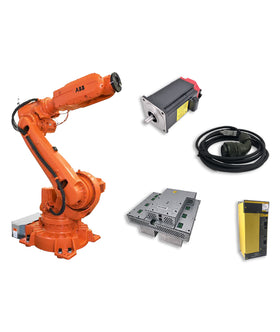
🔧 Recommended Parts for KUKA Error Code Repair

Key components commonly involved in kuka error code repair issues and replacements.

Previous article KUKA KSS00406 Position Deviation Error – Causes, Symptoms & How to Fix
Next article KUKA KSS01404 Servo Drive Error – Causes, Symptoms & How to Fix

Leave a comment on this topic

* Required fields

Blog posts

Compare products

{"one"=>"Select 2 or 3 items to compare", "other"=>"{{ count }} of 3 items selected"}

Select first item to compare

Select second item to compare

Select third item to compare

Compare