
Zu Inhalt springen

KUKA KSS00016 Motor Stall Error – Causes, Symptoms & How to Fix

Error Code Overview

  • Error Code: KSS00016
  • Error Name: Motor Stall Error
  • Category: axis / Motor / Torque / Stall Detection
  • Severity: High
  • System: KRC Controller / KUKA Servo Drives (KSP/KPP)
  • Impact: Robot motion stops to prevent motor, gearbox, or drive damage

Quick Fix for KUKA KSS00016

If KUKA KSS00016 Motor Stall Error appears, follow these immediate steps:

  1. Stop all robot motion immediately.
  2. Inspect the robot for any mechanical obstruction or axis binding.
  3. Check servo motor and drive module status in SmartHMI.
  4. Reset the fault after removing the cause.
  5. Test robot movement at low speed before returning to production.

Tip: Continuing operation without inspection may damage the motor, gearbox, or servo drive.

What Does KUKA KSS00016 Mean?

KUKA KSS00016 Motor Stall Error indicates that the robot controller detected a servo motor unable to rotate as commanded.

Th is alarm is typically triggered when:

  • Motor torque/current exceeds allowable limits
  • The axis cannot reach target position within expected time
  • Servo feedback indicates stalled or blocked rotation

In simple terms, the robot believes an axis motor is overloaded, blocked, or unable to move normally, so motion is stopped for protection.

Common Causes of KUKA KSS00016

Mechanical Obstruction

Mechanical resistance is one of the most common reasons for th is alarm.

Possible causes include:

  • Foreign object blocking robot movement
  • Tooling collision or fixture interference
  • Binding inside gearbox or robot joints

Excessive Payload or Load Imbalance

Overloading the robot can exceed motor torque limits.

Check for:

  • Payload heavier than rated specification
  • Incorrect payload data entered in controller
  • Poor tool center of gravity configuration

Servo Motor or Drive Failure

Electrical drive issues may prevent proper motor rotation.

Potential faults include:

  • Failed servo motor winding
  • Encoder feedback malfunction
  • KSP/KPP drive instability or failure

Electrical Connection Problems

Poor electrical connections can interrupt motor performance.

Inspect for:

  • Damaged motor power cables
  • Loose feedback connectors
  • Grounding or power supply instability

Motion Program Configuration Errors

Improper programming may overload the axis.

Typical examples:

  • Excessive acceleration settings
  • Abrupt direction changes
  • High-speed commands exceeding load capability

Recommended Replacement Parts

Component

Description

Use Case

Servo Motors / Gearboxes

axis motion system

Replace if motor cannot rotate or stalls under load

KSP/KPP Drive Modules

Drive control

Inspect for fault or instability

Encoder & Motor Power Cables

Signal and power transmission

Replace if damaged or intermittent

Torque Sensors / Limit Switches

Safety monitoring

Verify proper function

Tooling / Mounting Components

Load structure

Ensure correct alignment and load distribution

How to Troubleshoot KUKA KSS00016

Step 1 – Identify the Faulted axis

Use SmartHMI diagnostics to determine which robot axis triggered the motor stall alarm.

Step 2 – Inspect Mechanical Components

Check the affected axis for:

  • External obstruction
  • Joint resistance
  • Gearbox binding
  • Bearing seizure

Move the axis manually if safe to do so.

Step 3 – Verify Payload Settings

Compare programmed tool data with actual load.

Confirm:

  • Payload weight is accurate
  • Center of gravity values are correct
  • Tool dimensions match installation

Step 4 – Inspect Servo Drives and Motors

Review KSP/KPP module diagnostics for:

  • Drive overload warnings
  • Current spikes
  • Encoder communication faults

Step 5 – Check Wiring and Power Supply

Inspect:

  • Motor cables
  • Feedback cables
  • Connector tightness
  • Ground continuity

Step 6 – Review Robot Program

Reduce:

  • Motion speed
  • Acceleration
  • Sudden directional changes

Then retest.

Step 7 – Perform Re-Mastering if Needed

If axis synchronization was lost:

  • Re-home robot
  • Perform mastering/calibration
  • Validate encoder position

How to Fix KUKA KSS00016

Dependingon root cause, repair may involve:

  • Removing mechanical interference
  • Replacing damaged servo motors
  • Repairing faulty KSP/KPP drives
  • Replacing damaged cables/connectors
  • Correcting payload/tool data
  • Optimizing robot motion program

How to Prevent KUKA KSS00016 in Future

To reduce recurrence:

  • Keep robot work envelope clear of obstruction
  • Perform regular gearbox and bearing inspections
  • Monitor servo torque trends during maintenance
  • Verify payload/tool setup after EOAT changes
  • Avoid aggressive acceleration programming

Related KUKA Error Codes

If you're diagnosing KSS00016, you may also encounter related faults:

⚠️ Closely related to motor performance, torque limits, and axis control stability.

FAQ

FAQ About KUKA KSS00016

What does KUKA KSS00016 mean?

It means a robot motor failed to rotate properly and stalled during commanded motion.

Can the robot run after KSS00016 occurs?

No. Robot motion is stopped until the fault is cleared.

Why does KUKA KSS00016 happen suddenly?

Common sudden causes include:

  • Mechanical blockage
  • Overload
  • Servo drive failure
  • Motor cable interruption
  • Aggressive acceleration settings

Can bad wiring cause KSS00016?

Yes. Damaged motor cables or unstable power can trigger false or real stall detection.

Is KSS00016 a serious error?

Yes. Ignoring th is fault can lead to servo motor, gearbox, or drive damage.

Explore the Full Guide: Industrial Robot Fault Codes Library  →  KUKA Error Codes

Explore the complete guide for troubleshooting, repair strategies, and component replacement across industrial robot systems.

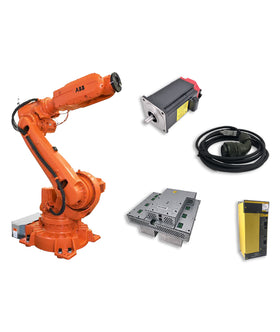
🔧 Recommended Parts for KUKA Error Troubleshooting

Key components commonly involved in kuka error troubleshooting issues and replacements.

Vorheriger Artikel UR Joint Overload Error – Symptoms & Diagnostic Guide

Einen Kommentar hinterlassen

* Erforderliche Felder

Blog posts

Produkte vergleichen

{"one"=>"Wählen Sie 2 oder 3 Artikel zum Vergleichen aus", "other"=>"{{ count }} von 3 Elementen ausgewählt"}

Wählen Sie das erste zu vergleichende Element aus

Wählen Sie das zweite zu vergleichende Element aus

Wählen Sie das dritte Element zum Vergleichen aus

Vergleichen