
Zu Inhalt springen

KUKA KSS00010 Workspace Limit Error – Causes, Troubleshooting & How to Fix

Error Code Overview

  • Error Code: KSS00010
  • Category: axis / Safety / Workspace Limit
  • Severity: High
  • System: KRC4 Controller / KUKA Servo Drives (KSP/KPP)
  • Impact: Robot motion restricted until workspace compliance is restored

Quick Fix for KUKA KSS00010

If KUKA KSS00010 Workspace Limit Error appears, follow these immediate steps:

  1. Stop robot motion immediately.
  2. Verify the robot has not exceeded programmed workspace limits.
  3. Check tool and axis positions against defined safety zones.
  4. Reset the alarm in SmartHMI.
  5. Retry motion only within verified workspace boundaries.

Tip: Th is error is most often caused by incorrect motion programming or workspace parameter settings—not by hardware failure.

What Does KUKA KSS00010 Mean?

KUKA KSS00010 Workspace Limit Error occurs when the robot attempts to move outside its configured allowable workspace.

Workspace limits are used to define:

  • Maximum joint travel ranges
  • Allowed Cartesian movement boundaries
  • Safety zones for collision prevention

If the robot tries to exceed these limits, the controller stops motion immediately to prevent collision or overtravel.

In simple terms:

The robot is attempting to move outside its permitted operating area.

Common Causes of KUKA KSS00010

Motion Program Exceeds Defined Limits

The most common cause is a robot program commanding motion beyond configured boundaries.

Examples include:

  • Incorrect target position
  • Tool path outside reachable area
  • Sudden trajectory override

Incorrect Workspace Configuration

Software-defined workspace settings may not match the real robot setup.

Possible issues:

  • Joint limits set too narrow
  • Cartesian boundaries configured incorrectly
  • Safety zone misconfiguration after program changes

Tool or Fixture Changes

Changes to tooling may affect workspace calculations.

Examples:

  • New end effector extends farther than previous tool
  • TCP not updated after tool replacement
  • Fixture moved into robot travel path

Position Reference or Calibration Errors

Improper mastering or calibration may shift robot position data.

Potential causes:

  • axis mastering lost
  • TCP calibration error
  • Base frame offset incorrect

Recommended Components to Check

Component

Description

Inspection Purpose

Encoder System

Position feedback device

Verify accurate axis position reporting

TCP / Tool Data

Tool center point settings

Confirm correct tool dimensions

Limit Parameters

Workspace software settings

Validate configured limits

End Effector / Tooling

Attached tooling

Ensure no interference with safe motion

Fixtures / Guards

External equipment

Check for clearance issues

How to Troubleshoot KUKA KSS00010

Step 1 – Review Error Details

Check SmartHMI diagnostics to identify:

  • Affected axis
  • Current position
  • Triggered workspace zone

Step 2 – Inspect Motion Program

Review the active robot program and verify:

  • Target positions are valid
  • Tool path stays within reachable limits
  • No incorrect override or offset is applied

Step 3 – Verify Workspace Settings

Inspect KRC controller parameters for:

  • Joint travel limits
  • Cartesian workspace definitions
  • Safety boundary settings

Step 4 – Check Tool and Base Data

Confirm:

  • TCP is calibrated correctly
  • Base frame is accurate
  • Tool dimensions match actual setup

Step 5 – Inspect Mechanical Clearance

Verify no physical interference exists from:

  • Tooling
  • Fixtures
  • Safety guarding
  • Machine frame components

Step 6 – Test Motion at Low Speed

Jog the robot slowly within safe range and monitor:

  • Position feedback
  • Boundary warnings
  • Unexpected workspace triggers

Step 7 – Recalibrate if Needed

If position data appears incorrect:

  • Re-master affected axes
  • Recalibrate tool/base data
  • Validate encoder feedback

Pro Diagnostic Tip

When KSS00010 appears unexpectedly after tooling or program updates:

Always verify TCP and base frame settings first before assuming hardware failure.

Many technicians waste time checking drives or encoders when the real issue is simply:

  • Wrong TCP values
  • Offset mistake in program
  • Base frame mismatch

How to Fix KUKA KSS00010

Dependingon the cause, typical repairs include:

  • Correcting robot motion program
  • Adjusting workspace limit parameters
  • Updating TCP/tool data
  • Re-mastering robot axes
  • Removing mechanical interference

How to Prevent KUKA KSS00010

To reduce future workspace limit errors:

  • Validate all new robot programs before production
  • Recheck workspace settings after software updates
  • Update TCP whenever tooling changes
  • Perform regular mastering verification
  • Confirm fixture locations after maintenance

Related KUKA Error Codes

⚠️ Workspace errors are closely tied to axis movement, position accuracy, and safety limits.

FAQ

Can the robot move outside workspace limits?

No. The controller blocks motion to prevent unsafe overtravel or collision.

Why does KUKA KSS00010 happen during normal production?

Typical causes include:

  • Programmed motion exceeds limits
  • TCP or base frame incorrect
  • Workspace parameters misconfigured

How do I fix KUKA KSS00010 quickly?

  1. Review robot program
  2. Verify workspace settings
  3. Check tool/base calibration
  4. Test motion slowly

Can encoder problems cause KSS00010?

In rare cases, yes. Incorrect position feedback may falsely trigger workspace violations.

Explore the Full Guide: Industrial Robot Fault Codes Library  →  KUKA Error Codes

Explore the complete guide for troubleshooting, repair strategies, and component replacement across industrial robot systems.

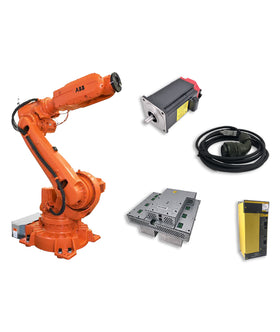
🔧 Recommended Parts for KUKA Error Troubleshooting

Key components commonly involved in kuka error troubleshooting issues and replacements.

Vorheriger Artikel UR Joint Overload Error – Symptoms & Diagnostic Guide

Einen Kommentar hinterlassen

* Erforderliche Felder

Blog posts

Produkte vergleichen

{"one"=>"Wählen Sie 2 oder 3 Artikel zum Vergleichen aus", "other"=>"{{ count }} von 3 Elementen ausgewählt"}

Wählen Sie das erste zu vergleichende Element aus

Wählen Sie das zweite zu vergleichende Element aus

Wählen Sie das dritte Element zum Vergleichen aus

Vergleichen