



Are you concerned about messy cables damaging your robot's functionality? Cable management for robots may seem complex due to their diverse movements. But with the right techniques, your robot's cables can last for years.
Effective cable management is crucial when using robots. The worst-case scenario you might imagine is a poorly routed cable being torn apart by the robot. Worse still, cables can get damaged unknowingly, leading to abnormal robot behavior.
Unlike other types of cable wiring, addressing robot wiring issues can be challenging in a hurry. Since robots are autonomous, they can break cables before you even realize or react.
So, what's the solution? Proactive cable management for your robot is key.

Think of cables as the "lifelines" of robots. When these "lifelines" function properly, the robot remains "healthy" and operates as expected. But if damaged, the robot becomes compromised, potentially moving unstable. This can be a burden, whether to itself, other equipment, or workers.
• Power Cables: Supply electricity to the robot and its tools.
• Communication Cables: Transmit communication signals, digital or analog, to the robot and tools.
• Hoses: Some tools require additional fuel for operation. For instance, Robotiq、EPick and AirPick vacuum grippers use pneumatics, necessitating pneumatic hoses. Other tools may require hydraulic, gaseous, or other fluid hoses.
In the realm of robotics, wiring plays a crucial role, akin to the lifelines of these autonomous machines. Ensuring the integrity of these cables is essential for the smooth and reliable operation of robots. However, robot wiring is prone to various faults that can compromise their performance. Here are six common faults in robot wiring and their potential impacts:
This fault affects the electrical continuity of cables, often resulting from the accumulation of minor errors over time. The intermittent nature of its impact makes it difficult to troubleshoot. Loss of continuity can disrupt the flow of power and communication signals, leading to unstable robot behavior or complete failure.
Electrical insulation surrounding cables wears out due to exposure to environmental factors and constant use. When insulation damage occurs, it can cause short circuits between two or more wires. This can result in power failures, communication disruptions, or even damage to the robot's internal components.
Helical failures involve the twisting and deformation of the entire cable. This type of fault is more prevalent in multilayered cables compared to bundled cables. Twisted cables can impair signal transmission and power delivery, leading to performance degradation or complete failure of the robot.
The outer jacket of the cable is designed to protect the underlying wires and shielding from environmental factors such as dust, oil, and other contaminants. However, over time, the jacket can wear out, exposing the cables to these elements. This reduces the cable's resistance to electrical interference and can lead to premature failure.
Exposure to improper oils, chemicals, or temperatures can cause the cable jacket to swell and crack. This lowering of protective performance can expose the wires to damage, leading to short circuits, signal interference, and other performance issues.
Damage to a cable's electrical shielding can cause electromagnetic interference (EMI), which reduces cable performance. EMI can disrupt communication signals, cause power fluctuations, and even lead to the malfunction of sensitive robot components.
It depends. Sometimes, due to continuous operation, a cable may not produce obvious issues for a long time. However, using a damaged cable is like working with a ticking time bomb. Eventually, the cable will fail. Thus, replace or repair cables immediately upon detecting faults to prevent recurrence.

When it comes to integrating robotic tools like Robotiq grippers into your automation workflow, proper cable routing isn’t just a detail—it’s a critical component of system reliability. Mishandled cables can lead to premature wear, operational disruptions, or even catastrophic failures. Let’s dive into the most common mistakes in cable routing and explore smarter alternatives to keep your robotic arms running smoothly.
A frequent oversight in cable management is relying solely on standard plastic zip ties. While inexpensive and widely available, these ties can cause unseen harm if not used thoughtfully. The primary issue? Over-tightening. Even seemingly secure ties can compress cables internally, damaging conductors, shielding, or insulation over time. This "invisible" damage reduces cable lifespan and increases the risk of intermittent failures—nightmares for any production line.
Cables need a balance of security and flexibility, especially on robotic arms that twist, pivot, and stretch. Over-tightened ties restrict natural movement, creating friction points that accelerate wear. Worse, they may compromise the cable’s structural integrity, leading to costly replacements or downtime.
In conclusion, managing robot wiring faults is essential for ensuring the reliable and efficient operation of robots. Recognizing and addressing these common faults can prevent costly repairs, minimize downtime, and extend the lifespan of robotic systems. By taking proactive measures, such as regular inspections and using high-quality cables and accessories, you can help mitigate the risks associated with robot wiring faults.
Explore the Full Guide: Industrial Robot Spare Parts → Industrial Robot Cable Guide
Explore the complete guide for troubleshooting, repair strategies, and component replacement across industrial robot systems.
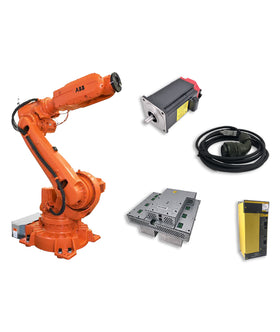
Key components commonly involved in robot cables issues and replacements.


{"one"=>"Seleziona 2 o 3 articoli da confrontare", "other"=>"{{ count }} di 3 elementi selezionati"}
Seleziona il primo elemento da confrontare
Seleziona il secondo elemento da confrontare
Seleziona il terzo elemento da confrontare
Lascia un commento