

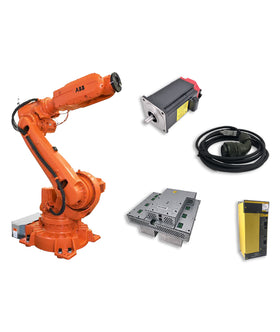


ABB ACS800 series frequency converter is a high-performance, widely adaptable AC frequency converter with a wide range of applications, advanced technology, powerful starting torque, automatic start, flux optimization, reliability and stability, and humanization With its user interface and other advantages, it is widely used in various industrial fields, such as electric power, petrochemicals, metallurgy, building materials, etc. Can control various types of motors, including AC asynchronous motors, AC synchronous motors, DC brushless motors, etc.
The ABB ACS800 series is widely used across multiple industries:
Power industry: Controls motor speeds in power plants, substations, and distribution systems.
Petrochemical industry: Manages pumps and fans to boost productivity and quality.
Metallurgical industry: Regulates rolling mills and continuous casting machines.
Building materials: Optimizes kilns, mixers, and production lines for consistent output.
Even with its strong design, the ACS800 drive may experience faults during long-term use. Understanding these common issues helps prevent costly downtime.
This is usually caused by motor or cable damage and faults in the drive circuit. After repairing the drive circuit, the module should be replaced if the drive waveform is in good condition. After replacing the drive board on-site, it is necessary to check the motor and connecting cables. The inverter can only be operated when no faults are found.
This is usually caused by damage to the switching power supply or damage to the soft charging circuit, resulting in no DC power in the DC circuit. This situation can also occur if the starting resistor is damaged or the operation panel is damaged.
usually caused by input phase loss, circuit aging and moisture on the circuit board.
usually due to damage to the current detection circuit. Such as Hall elements, op amp circuits, etc.
This is usually caused by damage to the drive circuit or inverter module.
The no-load output voltage is normal, but overload or overcurrent is displayed after loading: This is usually caused by improper parameter settings or aging of the drive circuit or module damage.
Failures caused by the external environment, such as working environment temperature, vibration, moisture, electromagnetic induction interference, power supply abnormalities, lightning strikes, induced lightning, vibration and noise, etc.
These faults may affect the normal operation of the inverter and require timely investigation and repair. Different solutions should be adopted for different faults. If it cannot be repaired by yourself, it is recommended to contact professional technicians for repair


Routine maintenance methods and precautions for frequency converters include:
Ensure proper ambient temperature and humidity.
Avoid dust, moisture, and corrosive gases.
Check for loose cables, damaged filters, or heat sink issues.
Verify power supply stability and grounding.
Listen for abnormal vibrations or noises during operation.
Inspect input/output signals for proper communication.
Confirm motor and control parameters are correctly set.
Conduct periodic component performance tests.
Replace aging or unstable components early.
Always power off the system before maintenance.
Discharge residual electricity before touching internal parts.
Avoid plugging or unplugging cables while the system is active.
Routine maintenance of the ABB ACS800 frequency converter is essential for:
Prolonging its service life
Maintaining optimal performance
Preventing unexpected downtime
Reducing repair costs
By keeping the environment clean, monitoring parameters, and acting on small issues early, operators can ensure stable, efficient, and reliable inverter performance in any industrial application.
Explore the Full Guide: Industrial Automation System Cluster →
Explore the complete guide for troubleshooting, repair strategies, and component replacement across industrial robot systems.
Key components commonly involved in automation systems issues and replacements.


{"one"=>"Seleziona 2 o 3 articoli da confrontare", "other"=>"{{ count }} di 3 elementi selezionati"}
Seleziona il primo elemento da confrontare
Seleziona il secondo elemento da confrontare
Seleziona il terzo elemento da confrontare
Lascia un commento