


When your Yaskawa system displays the Yaskawa A.710 overcurrent alarm, it means the servo drive has detected an abnormal current spike and stopped the system to prevent damage.
This is one of the most common and critical Yaskawa alarms, often related to electrical faults, motor issues, or sudden mechanical load changes.
If you are looking for a complete overview of all alarm types, you can refer to the Yaskawa Alarm Codesto understand how different faults are connected.
The A.710 alarm occurs when the servo system detects excessive current flow in a short period of time.
In simple terms:
The system sees a sudden electrical surge and shuts down immediately to protect the motor and drive.
This is what makes A.710 different from:
Before deep troubleshooting, try th is:
If the alarm appears instantly at motion start → It is likely electrical or impact-related, not continuous load.
This is the most frequent real-world trigger.
Key sign: Alarm appears instantly even without heavy load.
Less common, but possible if mechanical side is normal.
A.710 troubleshooting should always start with system isolation, not parameter adjustment, because most cases are hardware-driven.
Even a brief collision can trigger A.710 immediately.
Check for:
If needed, inspect your existing <a href="/es/collections/yaskawa-cables">Yaskawa motor cables</a> for stability and signal integrity.
If alarm disappears, parameter spike is the cause.
Result:
Check:
Once the root cause is confirmed, the issue is usually related to one of the following components:
Servo Motors
If the motor shows signs of internal short, abnormal current draw, or instability, replacement may be required. Choosing a compatible model from your Yaskawa servo motors range ensures proper current handling and system stability.
Servo Drives
If current regulation becomes unstable or faults persist after motor and cable checks, Yaskawa servo drive may be the source. This is less common but critical in unresolved cases.
Motor Cables (High Priority Check)
Unlike A.720, cables are a major factor for A.710. Damaged wiring can directly cause current spikes. Inspect or replace faulty Yaskawa motor cables to eliminate intermittent electrical faults.
Most A.710 issues can be resolved without major hardware replacement.
Replacement ensures safe and stable operation under dynamic conditions.
If you're seeing similar issues, you may also encounter:
Understanding these Yaskawa Alarm Codes can help identify the true root cause.
FAQ
No. It indicates electrical stress or instability that can damage components.
Not directly. It is caused by instantaneous current spikes, not continuous load.
No. Always check cables and motor before replacing the drive.
Yes, if caused by aggressive acceleration or motion spikes.
Explore the Full Guide: Industrial Robot Fault Codes Library → Yaskawa Alarm Codes
Explore the complete guide for troubleshooting, repair strategies, and component replacement across industrial robot systems.
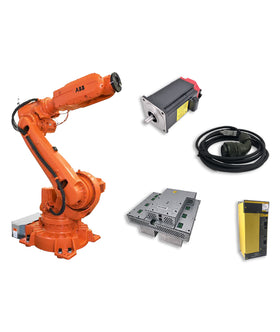
Key components commonly involved in yaskawa alarm troubleshooting issues and replacements.


{"one"=>"Seleccione 2 o 3 artículos para comparar", "other"=>"{{ count }} de 3 artículos seleccionados"}
Seleccione el primer artículo para comparar
Seleccione el segundo artículo para comparar
Seleccione el tercer elemento para comparar
Dejar un comentario