


A teach pendant not working issue can stop an entire robotic cell within minutes.
This problem is common across industrial robot brands such as
FANUC,
ABB,
KUKA,
Yaskawa, and
Universal Robots.
In most cases, a teach pendant not working is caused by:
This guide helps you quickly diagnose the issue and choose the correct repair path.

If your teach pendant is not working, use this quick diagnos is:
This is the fastest way to identify the root cause.
This is the decision engine of the page:
| Symptom | Likely Cause | Action | Priority |
| Black screen | Power / cable issue | Check cable & power supply | High |
| No power | Controller / fuse failure | Verify controller output | High |
| Touch not working | Screen failure | Replace touchscreen | Medium |
| Random disconnect | Cable wear | Replace cable | High |
| System freeze | Firmware / memory issue | System recovery | Medium |
| E-stop failure | Safety circuit fault | Stop operation | Critical |
Common causes:
Most frequent real-world cause: cable damage
Causes:
Causes:
Causes:
Often an early-stage failure warning
⚠️ Critical safety risk — stop operation immediately
Causes:
Most teach pendant failures follow a pattern:
Early repair can prevent total downtime.
Follow this structured approach:
Does the screen turn on?
Look for:
Use a known working pendant if available
⚠️ Always back up controller data before system actions.
Teach pendant failures are strongly influenced by:
These conditions significantly reduce cable and connector lifespan.
| Failure Type | Recommendation |
| Cable / connector | Replace cable (fast, low cost) |
| Touchscreen | Replace display module |
| PCB failure | Evaluate repair vs replacement |
| Old system (>8–10 years) | Considerfullfull upgrade |
Different brands have different architectures and failure patterns:
These pages provide model-specific diagnostics and repair steps.
If the issue persists after basic troubleshooting:
Recommended:
Most commonly due to cable wear, power issues, or internal hardware failure.
Yes. Common repairs include:
Cable fatigue and connector wear.
❌ No — especially if safety functions are affected.
Explore the Full Guide: Industrial Robot Teach Pendant Center → Teach Pendant Dead
Explore the complete guide for troubleshooting, repair strategies, and component replacement across industrial robot systems.
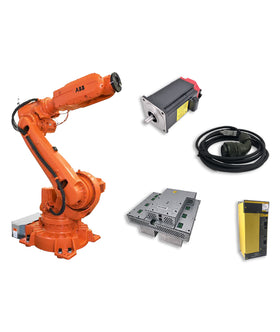
Key components commonly involved in teach pendant dead issues and replacements.


{"one"=>"Seleccione 2 o 3 artículos para comparar", "other"=>"{{ count }} de 3 artículos seleccionados"}
Seleccione el primer artículo para comparar
Seleccione el segundo artículo para comparar
Seleccione el tercer elemento para comparar
Dejar un comentario