



When it comes to controlling KUKA industrial robots, the KCP2 series of teach pendants plays a central role. Whether you're performing precise programming, running diagnostics, or executing maintenance, the right teach pendant ensures seamless interaction between the user and the robot system.
At inrobots, we offer a wide selection of original KUKA KCP2 teach pendants—both new and refurbished—tailored to meet different controller generations and application needs.
In this article, we break down the full KCP2 lineup and help you decide which model is right for your setup.
The KCP2 (KUKA Control Panel 2) is the second-generation teach pendant developed for KUKA robots. It evolved from the original KCP1 by integrating modern ergonomic design, improved display technology, and better compatibility with newer robot control systems such as KRC2 ed05 and KRC4.
Within the KCP2 family, you'll find two major types:
Traditional KCP2 Teach Pendants – Often used with KRC2 controllers, these feature physical keys, emergency stop buttons, and a classic non-touch screen interface.
KUKA SmartPad – Designed for KRC4 and later systems, the SmartPad introduces a touchscreen interface and enhanced user experience.
Here’s a closer look at the most common KUKA KCP2 pendant models available on the market today.
| Part Number | Product Name | Type | Touchscreen | Compatible Controller | Notes |
|---|---|---|---|---|---|
| 00-114-265 | KUKA KCP2 SmartPad Teach Pendant | SmartPad | ✔️ | KRC4 | Versatile version used in many systems |
| 00-130-547 | KUKA KCP2 SmartPad | SmartPad | ✔️ | KRC4 | High-resolution display, ergonomic design |
| 00-131-239 | KUKA KCP2 Teach Pendant | Traditional | ✖️ | KRC2 / early KRC4 | Reliable classic with physical keys |
| 00-113-334 | KUKA KCP2 Compact | Traditional | ✖️ | KRC2 ed05 | Space-saving version, less common |
| 00-129-563 | KUKA KCP2 SmartPad (OEM variant) | SmartPad | ✔️ | KRC4 | Used in third-party systems, similar hardware |
| 00-128-908 | KUKA KCP2 SmartPad 2 | SmartPad | ✔️ | KRC5 | Updated version for next-gen KUKA systems |
Note: Not all SmartPads are cross-compatible. Always match your pendant to the correct control cabinet (KRC2, KRC4, or KRC5).
When selecting a KUKA KCP2 pendant, consider the following:
Controller Compatibility:
KCP2 Teach Pendants with no touchscreen are typically designed for KRC2 systems. SmartPads are developed for KRC4 or KRC5 systems.
Usage Environment:
Heavy-duty environments might benefit from the robust build of older models, while complex operations may require the touchscreen interface of a SmartPad.
Replacement vs. Upgrade:
Replacing an existing pendant? Check the exact part number and connector type. Looking to upgrade? Make sure the controller supports the newer SmartPad firmware.
Budget:
Refurbished units offer a cost-effective alternative to new parts. At inrobots, we carefully inspect and test all units before shipping.
100% original parts (new and professionally refurbished)
Pre-tested and fully functional
Worldwide shipping with tracking
Technical support available before and after purchase
Easy inquiry process — just tell us the model or controller you’re using, and we’ll match the part.
Not sure which model fits your robot? Reach out to our team at inrobots.shop. We’ll help you identify the correct pendant and ship it wherever you are.
Contact us today to check stock, request a quote, or learn more about compatibility.
Explore the Full Guide: Industrial Robot Spare Parts → Industrial Robot Teach Pendant Center
Explore the full guide to compare options and select the right components for your industrial automation needs.
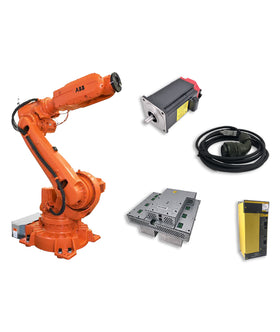
Key components commonly involved in teach pendants issues and replacements.


{"one"=>"Wählen Sie 2 oder 3 Artikel zum Vergleichen aus", "other"=>"{{ count }} von 3 Elementen ausgewählt"}
Wählen Sie das erste zu vergleichende Element aus
Wählen Sie das zweite zu vergleichende Element aus
Wählen Sie das dritte Element zum Vergleichen aus
Einen Kommentar hinterlassen