



Field insight:
In real-world applications, the A.790 alarm is rarely caused by sudden failure.
Instead, it typically develops over time due to heat accumulation from load, poor cooling, or efficiency loss.
The Yaskawa A.790 overheat alarm is triggered when internal temperature exceeds safe operating limits.
In practical terms:
The system shuts down because heat is no longer being dissipated effectively.
Th is can originate from:
Before deep diagnostics, try:
If the alarm returns quickly, a deeper issue is likely present.
In some cases, overheating may also appear alongside power-related faults.
If you are seeing multiple alarms, it’s worth reviewing how Yaskawa A.750 power supply alarms interact with thermal behavior.
Determine whether the heat originates from:
If overheating appears together with load-related alarms, refer to Yaskawa A.720 overload alarm troubleshooting to rule out mechanical stress.
If overheating persists even under low load, the motor may be losing efficiency.
In these cases, checking compatible Yaskawa servo motors used in your system is often necessary to restore stable thermal performance.
|
Symptom |
Likely Cause |
|
Overheat after long run |
Load or cooling |
|
Rapid temperature rise |
Mechanical issue |
|
Persistent overheating |
Motor degradation |
Servo Motors
If efficiency drops or heat rises abnormally, replacing with your Yaskawa servo motors range ensures stable thermal performance.
Cooling Components
Fans, airflow systems, and environment must be optimized.
Motor Cables (Secondary Check)
In rare cases, electrical inefficiency caused by damaged wiring can contribute to heat buildup.
Check Yaskawa motor cables if electrical inefficiency is suspected.
In practice, persistent overheating often indicates component degradation rather than temporary conditions.
Understanding Yaskawa alarm faults codes can help identify root causes faster:
These faults are often interconnected, especially in high-duty applications.
Thermal buildup caused by excessive load or insufficient cooling.
No. Even if it resets, it indicates the system is operating beyond safe thermal limits.
Explore the Full Guide: Industrial Robot Fault Codes Library → Yaskawa Alarm Codes
Explore the complete guide for troubleshooting, repair strategies, and component replacement across industrial robot systems.
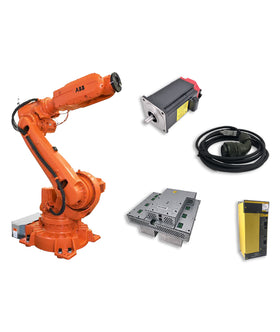
Key components commonly involved in yaskawa alarm troubleshooting issues and replacements.


{"one"=>"Select 2 or 3 items to compare", "other"=>"{{ count }} of 3 items selected"}
Leave a comment on this topic