

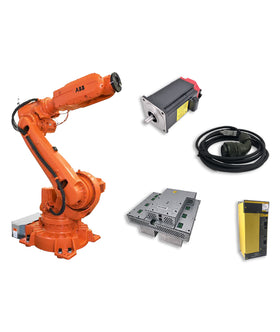

Industrial robot teach pendants are designed for constant interaction during programming, troubleshooting, and maintenance. Every jog command, menu selection, and program adjustment depends on the keypad responding accurately to operator input.
Over time, however, the membrane keypad becomes one of the most heavily used parts of the teach pendant. Continuous operation, exposure to industrial contaminants, and normal material aging can gradually reduce its reliability. What often starts as an occasional missed key press may eventually develop into a keypad that becomes difficult—or impossible—to use.
Understanding the symptoms and causes of membrane failure can help maintenance teams identify problems early and avoid unnecessary downtime.
Membrane problems rarely appear suddenly.
In many cases, operators first notice that certain keys require extra pressure before they respond. A button may work normally one day and fail intermittently the next. As wear progresses, entire sections of the keypad can become unreliable.
Typical symptoms include delayed response, missed inputs, repeated key presses, and buttons that stop functioning altogether. Some users also report unusual behavior, such as menus changing unexpectedly or commands being triggered without the intended key being pressed.
Because these symptoms often resemble software or controller problems, membrane failures are frequently misdiagnosed during the early stages of degradation.
A membrane keypad works by bringing two conductive layers into contact when a key is pressed. Every time an operator presses a button, a small amount of mechanical stress is applied to the membrane structure.
After years of use, those materials naturally begin to wear.
The conductive surfaces inside the keypad gradually lose efficiency, making it more difficult for the controller to recognize button inputs. High-use keys such as jogging controls, navigation buttons, and program execution keys are usually affected first because they experience significantly more operating cycles than other parts of the keypad.
As the conductive layers deteriorate, the teach pendant may require multiple presses before a command is registered, and eventually some keys may stop responding entirely.
Industrial environments are rarely friendly to electronic interfaces.
Dust, coolant mist, oil residue, and chemical vapors can slowly penetrate damaged overlays or weakened seals. Once contaminants reach the membrane layers, they can interfere with normal electrical operation and accelerate wear inside the keypad.
Moisture is particularly damaging. Even a small amount of water intrusion can create unwanted electrical paths between adjacent circuits. In some cases, the keypad may continue to malfunction long after it appears dry because corrosion has already developed inside the membrane assembly.
This type of damage often explains why a teach pendant begins behaving unpredictably after exposure to coolant, humidity, or washdown procedures.
One of the most frustrating membrane-related problems occurs when the teach pendant appears to detect keys that were never pressed.
Operators may attempt to jog an axis and find themselves opening a menu instead. Navigation screens may change unexpectedly, or the keypad may appear to respond to multiple commands at the same time.
This behavior is commonly known as a ghost key problem.
In most cases, the issue is not caused by software. Instead, contamination, moisture damage, or deterioration inside the membrane circuit creates unintended electrical connections between neighboring keypad traces. The controller then interprets those unwanted signals as valid key presses.
Because ghost key problems often appear randomly, they can be difficult to reproduce consistently during troubleshooting.
Yes.
Many membrane failures develop internally while the outer surface remains in good condition.
A keypad may show no visible cracks or damage while conductive traces inside the membrane assembly are already worn, contaminated, or partially broken. This is why visual inspection alone is often insufficient when diagnosing teach pendant input problems.
If operators repeatedly report missed inputs or inconsistent keypad behavior, the membrane assembly should be considered a possible cause even when external damage is not obvious.
The first step is to determine whether the problem affects a single key or multiple areas of the keypad.
A single non-responsive key may indicate localized wear, while widespread input problems often suggest contamination or internal membrane degradation.
Inspecting the keypad surface can reveal cracks, worn graphics, delamination, or signs of chemical exposure. Particular attention should be paid to areas around high-use keys because these locations typically show the earliest signs of failure.
It is also important to rule out related components. Internal ribbon cables, connector interfaces, and teach pendant electronics can sometimes produce symptoms that resemble membrane failure.
Reviewing controller diagnostics and operator reports often helps identify patterns that point toward keypad-related issues.
In most situations, the answer is no.
Unlike mechanical switches, membrane keypads are manufactured as sealed laminated assemblies. Once the internal conductive layers become damaged, separated, or contaminated, restoring the original structure is rarely practical.
Cleaning may help when surface contamination is the only issue, but it cannot repair worn conductive traces, internal corrosion, or moisture-related damage inside the membrane layers.
For this reason, replacement is generally considered the most reliable solution when membrane failure has been confirmed.
Membrane keypads are wear components, but their service life can often be extended through proper maintenance.
Keeping the teach pendant clean, protecting it from coolant exposure, and replacing damaged overlays before contaminants enter the keypad can significantly reduce long-term problems. Operators should also avoid excessive force when pressing keys, as unnecessary pressure accelerates mechanical fatigue.
Most importantly, intermittent keypad problems should be investigated early. Small input inconsistencies often provide the first warning that membrane degradation has begun.
Addressing the issue before complete failure occurs can prevent unexpected downtime and reduce the need for emergency repairs.
Membrane failures are often associated with other teach pendant components and may produce similar symptoms.
Related troubleshooting guides include:
The most common causes include conductive trace wear, adhesive degradation, contamination, moisture ingress, silver migration, and mechanical fatigue.
Possible causes include membrane circuit damage, contact wear, connector faults, moisture-related leakage paths, or HMI controller issues.
This usually indicates increasing resistance inside the membrane assembly caused by wear, contamination, or aging conductive layers.
A ghost key occurs when unintended conductive paths cause the controller to detect keys that were never pressed, resulting in incorrect keypad behavior.
In most cases, no. Once internal conductive layers, adhesives, or sealed laminate structures are damaged, replacement is generally the preferred solution.
Key components commonly involved in issues and replacements.
No related parts found. Please check available components in our catalog.


{"one"=>"Select 2 or 3 items to compare", "other"=>"{{ count }} of 3 items selected"}
Leave a comment on this topic