



If your robot teach pendant is not working properly, you may lose control, visibility, or programming access — which can stop production immediately.
Across major brands like ABB, FANUC, KUKA, and Yaskawa, common issues include no power, blank screens, unresponsive touch, or unstable connections. While these symptoms may look different, most of them come down to a small number of root causes that can be identified with a structured approach.
Before troubleshooting, the first step is to identify what type of problem you are dealing with.
If the pendant shows no screen, no backlight, and no response at all, you are likely dealing with a power-related issue. In most cases, th is points to either a cable problem or a failure in the power supply path. A more detailed breakdown of these scenarios is covered in the guideon teach pendant dead / no display, where you can distinguish between cable, controller, and hardware causes.
If the screen is black but you can still see backlight or signs of power, the issue is usually related to the display itself rather than the entire unit. Th is type of fault behaves very differently from a completely dead pendant and is typically linked to LCD or signal problems, which are explained in the teach pendant black screen troubleshooting guide.
https://www.inrobots.shop/blogs/repair-guides/teach-pendant-touch-not-working
When the display looks normal but the screen does not respond to input, the problem is often limited to the touch layer or internal control signals. This is a separate failure category and should be handled differently from display or power issues. A focused diagnosis process is outlined in the touchscreen not responding guide, which helps isolate whether the issue is panel-related or deeper in the system.
If the pendant works sometimes but fails randomly, freezes, or disconnects, this is one of the most important warning signs. In real-world environments, th is behavior is most commonly linked to cable wear rather than internal failure. The progression from intermittent issues to complete failure is explained in detail in the teach pendant cable failure guide, which is often the key to avoiding unnecessary replacement.
Across ABB, FANUC, KUKA, and Yaskawa systems, one issue appears more frequently than any other: cable failure.
The teach pendant cable carries both power and communication signals, and It is constantly exposed to bending, twisting, and movement during operation. Over time, internal wires can degrade or break without visible external damage.
This is why many problems that initially look like hardware failure actually originate from the cable. In fact, cases that start with intermittent behavior often evolve into a fully unresponsive pendant if the cable is not addressed early.
A structured approach helps you avoid replacing the wrong component.
Start by determining whether the issue is related to power, display, touch, or connection stability. Th is classification alone can eliminate a large portion of unnecessary troubleshooting.
Make sure the robot controller is poweredon and operating normally. If the controller is not supplying power, the pendant will not respond regardless of its condition.
Gently moving the cable while observing the pendant can reveal hidden issues. If the screen flickers, powerson briefly, or changes behavior, the cable is very likely the root cause.
Look for wear near connectors, loose connections, or signs of mechanical stress. Even small issues in th is area can interrupt both power and communication.
Using a known good cable or pendant is the most reliable way to confirm the fault. If the system works with a replacement, the defective component is clearly identified.
If none of the above steps resolve the issue, the problem may be inside the pendant itself, such as a power board or internal circuitry fault.
While the diagnostic logic is similar, each robot brand has its own behavior patterns.
In ABB systems, communication between the FlexPendant and controller is highly sensitive, and issues related to DSQC interfaces can sometimes appear as a complete failure. This is why many ABB-specific cases require a slightly different approach, as outlined in the ABB teach pendant dead guide.
https://www.inrobots.shop/blogs/repair-guides/yaskawa-teach-pendant-dead
FANUC systems often show early warning signs such as alarms or intermittent communication before a failure occurs. These patterns are explored in the FANUC teach pendant not working, especially for R-30i controllers.
KUKA systems depend heavilyon communication with KSS during operation. Problems like connection failure or startup issues may not be hardware faults at all, but communication breakdowns. These scenarios are covered in both the KUKA smartPAD not connecting to KSS guide and the KUKA smartPAD stuckon boot guide, which explain how communication impacts system behavior.
In Yaskawa systems, cable wear is particularly common due to continuous movement, and many issues that appear to be hardware failures are resolved once the cable is replaced. Th is pattern is discussed in the Yaskawa teach pendant dead guide, especially for DX and YRC controllers.
One of the most common mistakes is replacing the entire teach pendant when the issue is actually much simpler.
In many cases:
Taking the time to diagnose the problem correctly helps avoid unnecessary cost and reduces downtime significantly.
Once you have identified your symptom, the most efficient next step is to follow a focused guide that matches your exact situation. Whether the issue is related to power, display, touch, or communication, narrowing it down early ensures that you replace only what is necessary and restore operation faster.
Cable failure is the most frequent issue across all brands, especially in environments with constant movement.
If the problem changes when the cable is moved or appears intermittently, the cable is usually the cause. A swap test remains the most reliable confirmation method.
Yes. Dependingon the issue, cables can be replaced, touch panels repaired, and some internal components serviced.
Always start with controller power, cable condition, and connections before considering hardware replacement.
Explore the Full Guide: Repair & Troubleshooting Cluster → Industrial Robot Teach Pendant Center
Explore the complete guide for troubleshooting, repair strategies, and component replacement across industrial robot systems.
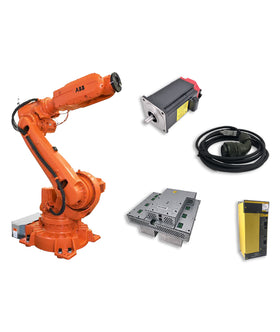
Key components commonly involved in diagnose robot teach pendant issues and replacements.


{"one"=>"比較する2つまたは3つのアイテムを選択します", "other"=>"選択された3つのアイテムの{{ count }}"}
コメントを残す