
コンテンツにスキップ

How to Fix FANUC Alarm SRVO-021 – Excess Error (Position Deviation)

Quick Fix for FANUC SRVO-021

If SRVO-021 (Excess Error) appears, try these immediate actions:

  • Reset the alarm and restart motion at low speed
  • Check for mechanical obstruction or collision
  • Reduce override speed and acceleration
  • Verify payload and tool settings
  • Inspect servo motor and encoder cables

These steps may quickly restore operation if the deviation is temporary.

What is FANUC SRVO-021 Excess Error?

FANUC SRVO-021 is a position deviation alarm, triggered when the actual motor position deviates too far from the commanded position.

This is a protection mechanism to prevent:

  • Mechanical damage
  • Loss of motion control
  • Servo instability

The controller continuously compares commanded vs actual position. If the difference exceeds the limit, the alarm is generated.

What Does SRVO-021 Mean?

SRVO-021 indicates that the servo system cannot follow the commanded motion accurately.

Typical impact:

  • Robot stops immediately
  • Affected axis is disabled
  • Motion becomes unstable or inaccurate

This usually points to either mechanical resistance or servo performance issues.

Common Causes of FANUC SRVO-021

Mechanical Obstruction or Collision

The most common cause.

  • Robot hits an object
  • External interference blocks movement
  • Tight or damaged joints

Excessive Load or Incorrect Payload

Improper payload settings affect motion accuracy.

  • Payload too heavy
  • Incorrect center of gravity
  • Poor tool configuration

Servo Motor or Amplifier Weakness

The servo system may not produce enough torque.

  • Aging motor
  • Amplifier performance degradation
  • Overheating

Encoder or Feedback Issues

Position feedback errors can cause deviation.

  • Encoder signal instability
  • Loose feedback connections
  • Data mismatch

High Speed or Aggressive Motion Settings

Demanding motion profiles increase deviation risk.

  • High acceleration or deceleration
  • Sudden direction changes
  • High override speeds

Cable or Connection Problems

Signal interruption leads to control errors.

  • Damaged encoder cables
  • Loose motor connectors
  • Electrical noise interference

How to Troubleshoot FANUC SRVO-021

Step 1: Check for Mechanical Issues

  • Inspect robot path for obstruction
  • Manually jog the robot slowly
  • Listen for abnormal resistance or noise

Step 2: Reduce Speed and Load

  • Lower override speed (e.g., 10–25%)
  • Test motion under reduced load
  • Adjust acceleration settings

Step 3: Verify Payload Configuration

  • Check payload weight and center of gravity
  • Update tool data in controller
  • Ensure correct TCP settings

Step 4: Inspect Servo Motor and Amplifier

  • Check for overheating
  • Observe servo amplifier status
  • Replace faulty components if needed

Step 5: Check Encoder and Feedback System

  • Inspect encoder signals
  • Reseat connectors
  • Replace encoder cable if damaged

Step 6: Test and Monitor

  • Reset alarm
  • Run robot in controlled motion
  • Observe if error returns under load

Pro Diagnostic Tip (Quick Isolation Method)

1. Test Without Payload (Load Isolation) Remove the tool or payload and run the affected axis at a low speed. If the alarm clears, the issue is likely rooted in the payload weight or an incorrect tool configuration.

2. Evaluate Motor/Servo Performance If the alarm persists even without a load, inspect the servo motor for signs of overheating, mechanical wear, or inconsistent torque output.

3. Inspect Encoders and Cables Check for stable encoder signals. Since loose or damaged connections are a common culprit, reseat or replace the encoder cables as needed.

4. Field Isolation Strategy This systematic approach quickly distinguishes between mechanical load issues and feedback system faults. It allows you to pinpoint whether the problem lies within the servo motors, amplifiers, or encoder connections, significantly reducing downtime.

Preventing SRVO-021 Excess Error

  • Always configure accurate payload data
  • Avoid aggressive acceleration profiles
  • Perform routine mechanical inspections
  • Maintain servo motors and amplifiers
  • Replace worn cables and connectors early

Related FANUC Alarm Codes

These alarms are often related to motion deviation and servo instability.

Conclusion

FANUC SRVO-021 is a critical motion deviation alarm, usually caused by mechanical resistance, incorrect payload, or servo system limitations.

Most issues can be resolved by reducing load, checking mechanics, and verifying servo performance.

A structured diagnostic approach ensures fast recovery and prevents repeated downtime.

FAQ

Q1: What causes FANUC SRVO-021?

It is caused by excessive position deviation due to mechanical blockage, overload, servo weakness, or feedback issues.

Q2: Is SRVO-021 serious?

Yes, it stops robot motion to prevent damage.

Q3: Can I reset and continue operation?

Only if the cause is temporary. Repeated alarms require troubleshooting.

Q4: What should I check first?

Start with mechanical obstruction and payload settings.

Explore the Full Guide: Industrial Robot Fault Codes Library  →  Fanuc Alarm Codes

Explore the complete guide for troubleshooting, repair strategies, and component replacement across industrial robot systems.

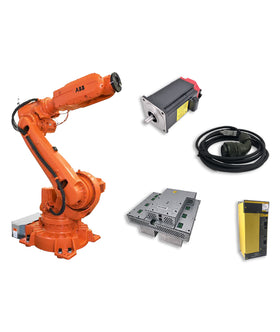
🔧 Recommended Parts for Fanuc alarm Troubleshooting

Key components commonly involved in fanuc alarm troubleshooting issues and replacements.

📘 Related Resources for Fanuc Alarm Codes
  • No related articles found in this topic.
前の記事 UR TCP Not Accurate | Universal Robots TCP Accuracy Diagnostic Guide

コメントを残す

*必須フィールド

Blog posts

製品の比較

{"one"=>"比較する2つまたは3つのアイテムを選択します", "other"=>"選択された3つのアイテムの{{ count }}"}

比較する最初のアイテムを選択します

比較する2番目の項目を選択します

比較する3番目の項目を選択

比較