
コンテンツにスキップ

KUKA KSS15019 Error – Intermittent Robot Motion Stop & Drive Fault Diagnostics Guide

Error Code: KSS15019
Category: Servo Drive / Motion Stability
Severity: High
System: KRC4 / KSP Drive System
Impact: Unexpected robot stop, interrupted motion cycle, intermittent drive shutdown

Quick Fix for KUKA KSS15019

If the robot randomly stops during operation or intermittently loses motion control, try these checks first:

  • Perform a full KRC4 controller shutdown and restart
  • Inspect KSP drive LEDs for temporary fault or reset behavior
  • Check encoder and motor power cables for looseness or cable fatigue
  • Verify cabinet cooling fans and internal airflow condition
  • Monitor whether the fault appears only after long runtime or high-load motion
  • Reduce robot speed, acceleration, and payload for temporary testing

⚠️ Always disconnect main power before touching servo drive wiring or motor cables.

👉 If the robot runs normally after reboot but stops again later during production, the issue is usually related to progressive drive instability, cable degradation, thermal stress, or DC bus fluctuation rather than a permanent hard failure.

What Does KUKA KSS15019 Mean?

KUKA KSS15019 indicates an intermittent robot motion stop condition caused by unstable servo drive operation or temporary drive fault behavior.

In KUKA KRC4 architecture:

  • KSP drives continuously regulate axis motion and torque
  • KRC4 controller monitors drive stability and synchronization
  • Encoder and communication systems maintain coordinated movement

When KSS15019 is triggered:

  • One or more servo drives temporarily lose stable operation
  • Motion is interrupted unexpectedly
  • Axis synchronization or torque control becomes unstable

As a result:

  • One or more axes temporarily lose stable servo control
  • Motion stops unexpectedly during operation
  • Axis synchronization may briefly collapse
  • The fault may disappear temporarily after restart
  • Production interruptions become increasingly frequent over time

👉 In short: the robot experiences unstable drive behavior that intermittently interrupts safe motion control.

Typical Symptoms of KUKA KSS15019

Before complete motion interruption occurs, the robot often shows early warning signs:

  • Random robot stop during automatic cycle
  • Temporary axis lag or hesitation
  • Short servo reset events during motion
  • Motion interruption after long operating time
  • Robot recovers temporarily after reboot
  • Fault appears more often during acceleration
  • Intermittent communication or encoder alarms appearing together
  • KSP drive LEDs briefly entering fault state

👉 In real production environments, intermittent servo faults almost always worsen gradually before permanent failure occurs.

Common Causes of KUKA KSS15019

1. Aging KSP Servo Drive Instability

Internal KSP electronics degrade over time due to thermal cycling and long-term operation.

Typical conditions include:

  • Internal current regulation instability
  • Thermal drift inside power stage
  • Protection circuit sensitivity increase
  • Intermittent internal communication interruption

👉 One of the most common root causes in older KRC4 systems..

2: Encoder or Motor Cable Fatigue

Robot motion cables experience continuous bending stress.

Common failure points:

  • Internal conductor break
  • Connector micro-loosening
  • Shielding degradation
  • Intermittent signal dropout under movement

👉 The fault often appears only while the robot is moving.

3: Cabinet Overheating or Cooling Failure

Servo drives are highly temperature-sensitive.

Common thermal causes:

  • Cooling fan degradation
  • Dust accumulation inside cabinet
  • Poor ventilation airflow
  • High ambient factory temperature

👉 Thermal instability frequently causes intermittent drive shutdown behavior.

4: DC Bus or Power Supply Fluctuation

Servo systems require stable voltage during acceleration and load transitions.

Potential causes:

  • DC bus voltage dips
  • Loose power terminals
  • Weak 24V control power
  • Unstable facility power supply

👉 Even short voltage instability can temporarily reset drive modules.

5: Mechanical Resistance or Axis Load Spike

Mechanical stress increases servo current demand.

Typical issues include:

  • Gearbox wear
  • Joint friction increase
  • Lubrication degradation
  • Excessive payload inertia
  • Sudden tooling load changes

👉 Drive protection may trigger intermittently under high torque demand.

6: Internal Communication Synchronization Problems

KRC4, RDC, and KSP modules rely on stable synchronization timing.

Possible issues:

  • KSP communication delay
  • Backplane instability
  • RDC synchronization interruption
  • EMI affecting internal communication bus

👉 Motion interruption may occur without permanent hardware failure.

Recommended Replacement Parts

Component Recommended Replacement Trigger Diagnostic Condition Engineering Notes
KUKA KSP Servo Drive Module Replace when intermittent drive shutdown repeats on same axis - Same axis repeatedly drops out during motion
- Drive resets without external command
- Fault disappears after cooldown or restart
Indicates internal power stage instability or protection circuit triggering under load
Encoder /Resolver Cable Assembly Critical in intermittent motion stop conditions - Random motion interruption during travel
- Feedback signal loss correlated with vibration
- Fault clears after cable movement or reseating
EMI or partial conductor degradation leads to unstable feedback loop under motion load
Motor Power Cable Assembly Required when load-related power interruption is suspected - Fault occurs only under high load
- Voltage drop or heating observed on cable path
- Intermittent axis shutdown during acceleration
High-resistance or internal short causes unstable current delivery under dynamic load
Cabinet Cooling Fan & Airflow Components Necessary when thermal instability is detected - Drive shutdown correlates with temperature rise
- Poor cabinet ventilation or airflow blockage
- Thermal alarms preceding motion stop
Insufficient cooling leads to protective shutdown of drive modules under sustained load

⚠️ Compatibility Tip:

Check Item Why It Matters
Drive firmware compatibility Affects protection logic and shutdown thresholds
Motor and axis configuration Incorrect mapping can mimic shutdown faults
Cable shielding quality EMI directly influences intermittent motion faults
DC bus voltage stability Voltage dips often trigger protective drive shutdown

How to Troubleshoot KUKA KSS15019

Step 1: Identify Motion Stop Pattern

Check:

  • Whether the same axis always fails
  • Whether shutdown occurs during acceleration
  • Whether restart temporarily clears the fault
  • Whether runtime duration affects occurrence

👉 Runtime-related failure strongly suggests thermal instability.

Step 2: Inspect KSP Drive Status

Observe KSP LEDs during operation.

Look for:

  • Brief fault flashes
  • Temporary READY-state loss
  • Axis-specific shutdown patterns
  • Repeated intermittent reset behavior

Step 3: Inspect Encoder & Power Cables

Check all motion-related cabling carefully.

Inspect for:

  • Cable chain fatigue
  • Insulation wear
  • Connector looseness
  • Shielding damage
  • Stress points near robot joints

👉 Many intermittent faults only appear while cables are flexing during motion.

Step 4: Verify Cooling & Temperature Conditions

Inspect:

  • Cabinet fan operation
  • Air filter cleanliness
  • Heat buildup near KSP drives
  • Internal cabinet airflow

Measure cabinet temperature during long production cycles.

Step 5: Monitor Power Stability

Measure:

  • DC bus voltage during acceleration
  • 24V control power stability
  • Voltage drop during heavy load transitions

Also inspect:

  • Cabinet terminal tightness
  • Grounding continuity
  • Main power connections

Step 6: Analyze Motion & Load Conditions

Temporarily:

  • Reduce payload
  • Lower acceleration
  • Reduce motion speed
  • Simplify trajectory motion

Observe whether intermittent shutdown disappears.

👉 If lower load stabilizes operation, mechanical stress or drive thermal overload is likely involved.

Professional Diagnostic Tips

KSS15019 is rarely a “single hard failure.”

Experienced engineers treat it as a progressive instability warning that usually worsens over time.

Go to:

SmartHMI → Diagnostics → Drive → Event History & Current Monitoring

Check:

  • intermittent drive reset events
  • torque fluctuation patterns
  • communication interruption timing

👉 Key diagnostic logic:

  • Single axis intermittent stop → local drive or cable issue
  • Multi-axis random stop → power or communication instability
  • Stop after long runtime → thermal stress issue

👉 In real industrial environments, the most common root causes are:

  • cable fatigue under motion
  • overheating KSP modules
  • unstable DC bus power during acceleration

How to Fix KUKA KSS15019

To permanently resolve the issue:

  • Replace unstable encoder or motor power cables
  • Repair cooling and airflow problems inside cabinet
  • Stabilize DC bus and grounding system
  • Replace aging KSP drive module if instability persists
  • Optimize motion parameters to reduce load spikes

👉 In most real cases, the final fix is: drive replacement or cable replacement after intermittent degradation is confirmed

How to Prevent KUKA KSS15019

To reduce future intermittent motion faults:

  • Maintain clean cabinet airflow and cooling
  • Replace aging motion cables proactively
  • Monitor cabinet temperature during long production cycles
  • Keep DC bus voltage stable under dynamic load
  • Avoid aggressive acceleration with heavy tooling
  • Inspect KSP connectors during preventive maintenance
  • Maintain proper grounding and shielding practices

Related Errors

⚠️ Technical Note: Following errors are commonly associated with intermittent servo instability, drive reset behavior, thermal drift, or communication degradation:

  • KSS15003Servo Drive Communication Fault– Intermittent KSP communication loss causing temporary motion interruption.
  • KSS15004Drives Not Ready– Drive initialization instability leading to unpredictable motion availability.
  • KSS15012Encoder Feedback Signal Loss– Intermittent feedback dropout resulting in axis control interruption.
  • KSS15014Axis Following Error– Servo lag under unstable drive response conditions.
  • KSS15016RDC Communication Failure– Resolver/RDC synchronization instability causing temporary axis stop conditions.
  • KSS15017Servo Overcurrent Fault– Load spikes or drive stress triggering protective shutdown during motion.

FAQ

Why does the KUKA robot stop randomly but work again after restart?

This is a typical symptom of intermittent servo instability. The reboot temporarily clears the fault condition, but the underlying issue — usually thermal stress, cable degradation, or drive instability — remains.

Why does KSS15019 only appear after long operating periods?

This usually indicates heat-related instability inside the KSP drive, cabinet cooling system, or power stage electronics. Thermal buildup gradually pushes the system beyond stable operating limits.

Can encoder cable problems really cause random robot stops?

Yes. Intermittent encoder signal loss during motion can briefly destabilize servo synchronization, forcing the controller to stop motion immediately for safety.

KSS15019 appears on different axes at different times — what does that mean?

When multiple axes fail unpredictably, the root cause is often cabinet-level instability such as:

  • DC bus fluctuation
  • grounding problems
  • overheating
  • communication synchronization issues

rather than a single motor failure.

Why does KSS15019 keep returning even after replacing parts?

In many cases, the actual root cause is missed because the problem is intermittent.

Commonly overlooked issues include:

  • oor grounding
  • unstable shielding
  • cabinet overheating
  • DC voltage instability
  • vibration-sensitive cable fatigue

Explore the Full Guide: Industrial Robot Fault Codes Library  →  KUKA Error Codes

Explore the complete guide for troubleshooting, repair strategies, and component replacement across industrial robot systems.

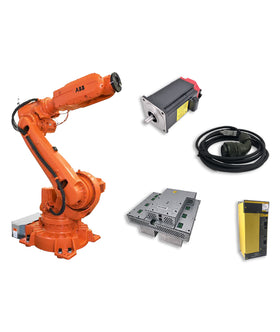
🔧 Recommended Parts for KUKA Error Troubleshooting

Key components commonly involved in kuka error troubleshooting issues and replacements.

前の記事 KSS15013 KUKA Error – Motor Temperature & Servo Load Abnormality Fix Guide
次の記事 KSS15004 KUKA Error – KRC4 Drives Not Ready & Servo Initialization Failure Fix Guide

コメントを残す

*必須フィールド

Blog posts

製品の比較

{"one"=>"比較する2つまたは3つのアイテムを選択します", "other"=>"選択された3つのアイテムの{{ count }}"}

比較する最初のアイテムを選択します

比較する2番目の項目を選択します

比較する3番目の項目を選択

比較