



In CNC machining, system alarms can halt operations and cause costly downtime—especially when dealing with FANUC equipment. One such issue is the FANUC SP9014 spindle alarm, a common error indicating a communication problem between the CNC system and the spindle amplifier.
This guide breaks down what SP9014 means, its root causes, and step-by-step troubleshooting instructions that even entry-level technicians and engineering students can follow with confidence.
Alarm Code: SP9014
Alarm Name: Serial Spindle Warning
Amplifier Alarm Number: 14
What it means:
The SP9014 alarm occurs when the spindle amplifier in use is not properly registered in the system's configuration. This often points to a communication mismatch between the CNC control unit and the amplifier that powers the spindle motor.
To resolve the SP9014 alarm and restore spindle functionality, follow these essential troubleshooting steps:
Inspect all cables and connectors between the amplifier and CNC system. Damaged or loose connections can block communication and trigger SP9014.
Ensure the actual spindle amplifier model matches the one registered in the CNC system. If mismatched, update the system’s configuration accordingly.
Go into the CNC control settings and check whether the spindle amplifier is registered correctly. If not, input the correct model data to restore proper system recognition.
Access the relevant spindle amplifier parameters in the control software. Check the amplifier type, motor settings, and other critical values to ensure they're correctly set.
Faulty or degraded serial communication cables can prevent proper data transmission between the amplifier and the CNC controller. Replace any questionable lines.
If all settings and connections appear correct, inspect the amplifier itself. Look for signs of internal damage, overheating, or component failure.
If you're unsure about any step or the issue persists, reach out to FANUC support or a certified maintenance technician. Advanced diagnostics may be necessary.
Before performing any hardware inspections or system adjustments, keep these important considerations in mind:
Power Down First: Always disconnect power before touching internal components.
Don’t Void the Warranty: If your system is under warranty, contact official service channels before attempting repairs.
Avoid Risky Parameter Changes: Misconfiguring parameters can lead to serious machine errors. When in doubt, leave this to trained professionals.
Log All Changes: Maintain a detailed record of any changes made for future reference and troubleshooting.
Fixing the FANUC SP9014 spindle alarm doesn’t have to be overwhelming. With a structured approach and attention to detail, you can quickly identify and solve the problem—minimizing downtime and preventing repeat issues.
For long-term reliability, regularly inspect connections, update system registrations, and perform routine maintenance on all CNC components.
Explore the Full Guide: Industrial Robot Fault Codes Library → FANUC Alarm Codes
Explore the complete guide for troubleshooting, repair strategies, and component replacement across industrial robot systems.
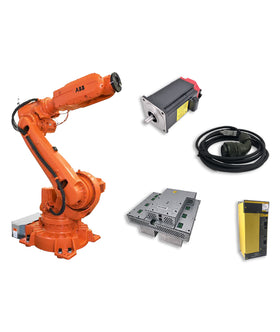
Key components commonly involved in fanuc alarm code repair issues and replacements.


{"one"=>"Seleziona 2 o 3 articoli da confrontare", "other"=>"{{ count }} di 3 elementi selezionati"}
Seleziona il primo elemento da confrontare
Seleziona il secondo elemento da confrontare
Seleziona il terzo elemento da confrontare
Lascia un commento