


As automation systems become more intelligent, connected, and data-driven, LCD touch screens have transformed into the nerve centers of modern factories. Once considered simple monitors, these panels are now high-precision interfaces that bridge humans and machines — ensuring efficient control, visualization, and monitoring across complex industrial operations.
Unlike consumer-grade touch screens, industrial LCD panels are engineered to withstand the extreme — high heat, humidity, vibration, and 24/7 operation. In 2025, industries ranging from robotics to manufacturing are demanding even higher display clarity, responsiveness, and integration flexibility.
This article explores why LCD display touch screens are essential, how to choose the right one, and the top-performing industrial touch screen models shaping the automation landscape in 2025.
Industrial automation thrives on precision — and the operator interface plays a key role. A reliable LCD touch screen display allows engineers and technicians to interact intuitively with complex systems, minimizing downtime and improving control accuracy.
Here’s why these displays have become indispensable:
Industrial LCD touch screens are no longer accessories — they are core control elements powering the smart factories of tomorrow.
Below are the top-performing LCD display touch screens for automation, robotics, and control applications this year. Each model is tested and recognized for its reliability, clarity, and cost-efficiency.
A compact and durable NEC LCD display designed for heavy-duty robotics and industrial systems.
Key Features:
Pros: Compact, cost-effective, and easy to integrateCons: Limited viewing angles compared to newer IPS modelsBest For: Machine vision systems, control terminals, and industrial robots

This high-performance Mitsubishi LCD display panel combines vivid visualization with rugged design, ideal for continuous operation.Key Features:
Pros: Exceptional durability, crisp display, user-friendly
Cons: Slightly higher power consumption
Best For: Robot HMIs, assembly lines, and industrial control rooms

Renowned for its image quality and stability, this SHARP LCD display provides long-term performance.
Key Features:
Pros: Stable output, low maintenance, energy-efficient
Cons: Not touch-enabled by default (requires integration)
Best For: Diagnostic equipment, embedded controllers, factory displays

The FUJI UG221H-LE4 LCD touch screen brings together advanced touch technology and industrial-grade durability.
Key Features:
Pros: Responsive, reliable, ideal for automation systems
Cons: Slightly higher cost due to premium quality
Best For: Robot controllers, process control systems, and industrial dashboards

A flagship display from Siemens’ industrial HMI lineup, built for top-tier performance.
Key Features:
Pros: Excellent reliability, software flexibility
Cons: Higher initial investment
Best For: Process monitoring, complex automation systems

Known for customization and rugged design, Advantech’s IDS series is built for continuous factory operation.
Key Features:
Pros: Flexible, rugged, long operational life
Cons: Requires proper calibration in some models
Best For: OEM applications, control panels, and outdoor displays
A cost-effective yet powerful solution for industrial HMIs.
Key Features:
Pros: Affordable, easy integration
Cons: Lower resolution than high-end competitors
Best For: Entry-level automation systems and training setups
Panasonic’s robust GT Series offers stability and smooth visual output.
Key Features:
Pros: Dependable, ergonomic interface
Cons: Moderate brightness levels
Best For: Conveyor control, small-scale machinery
Engineered for efficiency, this series combines display excellence with advanced communication capabilities.
Key Features:
Pros: Easy configuration, fast performance
Cons: Limited availability of older models
Best For: Compact machines and integrated robot systems
A hybrid of display and computing, these units redefine touch screen control in industrial environments.
Key Features:
Pros: All-in-one control, high computing power
Cons: Higher upfront cost
Best For: Smart factories, automation cells, and precision robotics
When selecting a display for your automation system, consider:
Looking forward, industrial LCD technology is evolving rapidly. Expect:
The future of industrial touch displays lies in smarter, faster, and more connected systems that enhance operator efficiency and factory intelligence.
Industrial LCD touch screens are more than just displays — they are the command centers of automation. From NEC to FUJI and Mitsubishi, each model brings a unique blend of clarity, responsiveness, and reliability.
Whether you're upgrading your robot interface, optimizing production, or maintaining a legacy system, investing in the right LCD display touch screen ensures lasting performance and control.
At inRobots.shop, engineers, repairers, and manufacturers worldwide can find high-quality, cost-effective LCD screens — from NEC NL6448BC33-49 to FUJI UG221H-LE4 — backed by exceptional service and global support.
Explore the Full Guide: Industrial Robot Spare Parts → Industrial LCD Display & HMI Center
Explore the full guide to compare options and select the right components for your industrial automation needs.
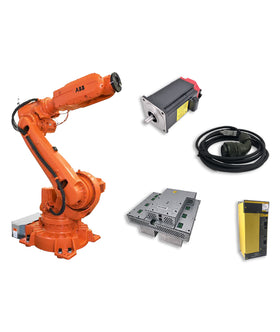
Key components commonly involved in hmi & displays issues and replacements.


{"one"=>"Seleccione 2 o 3 artículos para comparar", "other"=>"{{ count }} de 3 artículos seleccionados"}
Seleccione el primer artículo para comparar
Seleccione el segundo artículo para comparar
Seleccione el tercer elemento para comparar
Dejar un comentario