


In the realm of industrial automation and human-machine interaction (HMI), LCD panels have become an integral part of modern systems. These displays act as the bridge between operators and machines, offering a visual interface that simplifies complex processes, enhances productivity, and improves safety.
Whether it's in a factory floor, a control room, or a mobile device, LCD panels for HMI play a crucial role in ensuring seamless communication and efficient operation. This blog post will delve into the world of LCD HMI, covering their definition, types, applications, challenges, and solutions.
(Liquid Crystal Display) for HMI is a specialized display designed to facilitate interaction between humans and machines. It serves as the primary interface for operators to monitor, control, and manage industrial processes.
Unlike consumer-grade displays, LCD panels for HMI are engineered to withstand harsh industrial environments, featuring high durability, wide viewing angles, and excellent readability even under bright lighting conditions. They come in various sizes and resolutions, allowing for flexibility in design and integration into different HMI systems.

Industrial LCD panel for HMI come in various types to cater to different application needs.
Industrial LCD panels for HMI are available in both standard and custom sizes. Standard sizes are commonly used in off-the-shelf HMI solutions, while custom sizes allow for more tailored integration into specific applications or equipment.
Touchscreen LCD panels for HMI offer intuitive interaction, allowing operators to control the system directly through the display. Non-touchscreen options, on the other hand, rely on external input devices like keyboards or mice. The choice between the two depends on the application's requirements and user preferences.
High-resolution LCD panels provide sharper images and more detailed information, which is crucial for applications that require precise monitoring or control. Standard-resolution panels, while offering adequate performance for many tasks, may be more cost-effective for simpler applications.
Industrial environments often experience extreme temperature fluctuations. Wide-temperature-range LCD panels are designed to operate reliably in these conditions, ensuring uninterrupted performance even in freezing cold or scorching heat.
Ruggedized LCD panels are built to withstand harsh conditions, including vibrations, shocks, and exposure to dust and moisture. Non-ruggedized panels, while more affordable, may not be suitable for applications in demanding industrial environments.
For outdoor or brightly lit industrial settings, sunlight-readable LCD panels are essential. They feature advanced backlighting and anti-glare technologies to ensure visibility even under direct sunlight.
Industrial LCD panels for Human-Machine Interface (HMI) have carved out a crucial niche across a vast spectrum of industries, playing pivotal roles in enhancing operational efficiency, safety, and productivity. Let's delve deeper into how these advanced displays are transforming various sectors:
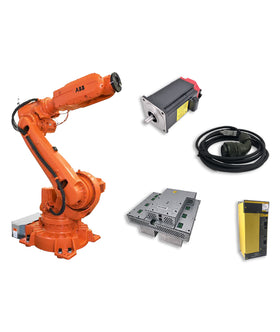
In the manufacturing sector, industrial LCD panels for HMI are the backbone of process control systems. They enable operators to monitor and adjust production parameters in real-time, ensuring optimal performance and minimizing downtime. For example, LCD panels have become essential in robotic systemsWhether it's a chemical plant adjusting reaction temperatures, an automotive assembly line fine-tuning robotic welding, or a food processing facility regulating packaging speeds, these displays provide the visual feedback and control necessary for seamless operations.
Moreover, LCD panels are instrumental in machine monitoring. By integrating sensors and data acquisition systems with HMI displays, manufacturers can track the health and performance of their machinery. This proactive approach to maintenance helps prevent breakdowns, reduces repair costs, and extends the lifespan of equipment.
Quality assurance is another area where industrial LCD panels shine. In production lines, these displays can present quality control data, such as defect rates, dimensional measurements, and compliance metrics. Operators can quickly identify and address issues, ensuring that only the highest quality products reach the market.
The energy sector, encompassing both traditional power plants and renewable energy systems, heavily relies on industrial LCD panels for HMI. In power plant control rooms, these displays provide a comprehensive overview of the plant's operations, including generator status, fuel levels, and emission data. Operators can make informed decisions to optimize energy production, ensure grid stability, and comply with environmental regulations.
Renewable energy systems, such as wind farms and solar power plants, also benefit from LCD panels. They allow technicians to monitor the performance of individual turbines or solar panels, track energy output, and adjust settings to maximize efficiency. In remote locations, where physical access is limited, these displays provide a vital link to the energy infrastructure, enabling remote monitoring and control.
In the transportation industry, industrial LCD panels for HMI are indispensable. In vehicles, trains, and aircraft, these displays provide critical information to drivers, pilots, and passengers. In automotive applications, HMI displays can show navigation data, vehicle diagnostics, and entertainment options, enhancing the driving experience.
For trains and aircraft, LCD panels are used in cockpits and control rooms to display flight data, engine parameters, and safety alerts. They enable pilots and engineers to monitor the aircraft's status in real-time, ensuring safe and efficient operation. Additionally, in public transportation systems, LCD panels are used to display route information, arrival times, and safety announcements, improving passenger convenience and safety.
The healthcare industry has also embraced industrial LCD panels for HMI. In medical devices, these displays provide a user-friendly interface for healthcare professionals to monitor patient vital signs, adjust treatment parameters, and access medical records. In monitoring systems, LCD panels can display real-time data from various sensors, such as heart rate monitors, blood pressure cuffs, and oxygen saturation meters.
These displays play a crucial role in ensuring patient safety and efficient care. By providing clear and accurate information, healthcare professionals can make informed decisions quickly, reducing the risk of errors and improving patient outcomes. Additionally, in operating rooms and intensive care units, LCD panels can be used to display surgical procedures, patient images, and other critical information, enhancing collaboration and communication among the medical team.

However, in practical applications, industrial LCD panels encounter numerous severe challenges. These challenges not only put the performance of the panels themselves to the test but also raise higher demands on the design and integration of the entire HMI system.
Industrial LCD panels face the daunting task of enduring harsh environmental conditions. These include extreme temperature variations, ranging from freezing cold to scorching heat, as well as constant vibrations and exposure to dust and moisture. Such factors can significantly impact the performance and lifespan of the panels if not properly addressed.
To overcome environmental durability challenges, industrial LCD panels are designed with durable materials and robust construction. This includes reinforced frames, shock-absorbing mechanisms, and sealed enclosures to protect against dust, moisture, and vibrations. Such designs ensure that the panels can withstand harsh conditions and continue to perform reliably.
In outdoor or brightly lit industrial settings, reading the display on LCD panels becomes a challenge. The intense ambient light can wash out the screen, making it difficult for operators to view critical information clearly. This necessitates advanced backlighting and anti-glare technologies to ensure optimal readability.
To enhance readability in challenging lighting conditions, manufacturers employ advanced display technologies. These include high-brightness screens, sunlight-readable panels, and wide-temperature-range displays. Such technologies ensure that the display remains visible and legible even under direct sunlight or in extreme temperature environments.
Integrating LCD panels into existing HMI (Human-Machine Interface) systems can be a complex process, especially when dealing with legacy equipment or proprietary protocols. The lack of compatibility and standardization can lead to increased development time, costs, and potential compatibility issues.
To simplify integration into existing HMI systems, many manufacturers offer LCD panels with standardized interfaces and protocols. This includes common communication buses, display resolutions, and power requirements. By adhering to industry standards, manufacturers ensure that their panels are compatible with a wide range of HMI systems, reducing integration complexity and costs.
LCD panels for HMI are a vital component in modern industrial automation and human-machine interaction. They offer a reliable, intuitive, and durable interface for operators to interact with machines, systems, and processes. With a wide range of types, sizes, and features available, industrial LCD panels can be tailored to meet the specific needs of any application.
Despite the challenges posed by harsh environments, bright light conditions, and integration complexity, manufacturers continue to innovate and provide cost-effective solutions that enhance performance and reliability.
FAQs
A: Consider factors such as size, resolution, touchscreen capability, environmental durability, and integration requirements. Consult with a manufacturer or supplier to determine the best fit for your specific application.
A: Yes, many industrial LCD panels can be repaired if damaged. However, the cost and feasibility of repair depend on the extent of the damage and the availability of replacement parts.
A: The lifespan of an industrial LCD panel for HMI depends on various factors, including usage, environmental conditions, and maintenance. With proper care and regular maintenance, industrial LCD panels can last for several years, providing reliable performance throughout their lifespan.
Explore the Full Guide: Industrial Robot Spare Parts → Industrial LCD Display & HMI Center
Explore the full guide to compare options and select the right components for your industrial automation needs.
Key components commonly involved in hmi & displays issues and replacements.


{"one"=>"Seleccione 2 o 3 artículos para comparar", "other"=>"{{ count }} de 3 artículos seleccionados"}
Seleccione el primer artículo para comparar
Seleccione el segundo artículo para comparar
Seleccione el tercer elemento para comparar
Dejar un comentario