
Skip to content

FANUC Alarm Codes

Complete FANUC Alarm Code List, Causes & Troubleshooting Guide

FANUC robots are widely used in industrial automation, but when an alarm appears, production can stop immediately. Understanding FANUC alarm codes is critical for fast troubleshooting and minimizing downtime.

This guide provides a structured overview of FANUC alarm codes, including:

  • Alarm categories (SRVO, SP, SYS, etc.)
  • Common error causes
  • Step-by-step troubleshooting
  • Recommended replacement parts

What Are FANUC Alarm Codes?

FANUC alarm codes are system-generated messages that indicate errors in robot operation. These alarms help identify issues related to motion, hardware, communication, or system faults.

FANUC alarms are typically grouped into categories such as:

  • SRVO (Servo Alarms) – motion and axis-related issues
  • SP (Spindle Alarms) – spindle or drive system faults
  • SYS (System Alarms) – controller-level errors
  • INTP (Interpreter Alarms) – program execution issues

FANUC Alarm Code Categories

SRVO Alarms (Servo Errors)

Common symptoms:

  • Robot cannot move
  • Axis locked or vibrating
  • Collision detected

Typical causes:

  • Servo motor overload
  • Encoder failure
  • Drive unit malfunction

👉 Example alarms:

  • SRVO-050 Collision Detect
  • SRVO-021 Servo Alarm

SP Alarms (Spindle & Drive Errors)

SP alarms are related to spindle systems and drive units, commonly found in CNC-integrated FANUC robots.

SYS Alarms (System Errors)

Common symptoms:

  • Controller not booting
  • Unexpected shutdown

Typical causes:

  • Hardware failure
  • Memory issues
  • Power supply faults

INTP Alarms (Program Errors)

Common symptoms:

  • Program stops unexpectedly
  • Execution errors

Typical causes:

  • Invalid instructions
  • Logic errors
  • Data issues

Common FANUC Alarm Codes (Quick Access)

Below are some of the most frequently searched FANUC alarms:

How to Troubleshoot FANUC Alarm Codes

Follow this structured approach:

Step 1: Identify the Alarm Code

Check the controller screen or alarm history.

Step 2: Understand the Alarm Category

Determine if it is:

  • Servo-related
  • System-related
  • Program-related

Step 3: Inspect Key Components

Focus on:

  • Servo motors
  • Encoders
  • Cables
  • Drive units

Step 4: Reset and Test

  • Clear alarms
  • Restart the system

Step 5: Replace Faulty Parts

If the alarm persists, hardware replacement is required.

High-Failure FANUC Components

From real maintenance cases, these components fail most often:

Teach Pendant

  • Screen failure
  • Keypad issues

Encoder Units

  • Position feedback loss
  • Signal errors

Servo Drives

  • Overheating
  • Internal faults

Robot Cables

  • Wear from repeated motion
  • Internal wire breakage

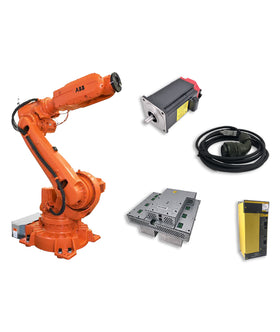
👉 Recommended parts:

FANUC Alarm Codes by System

To speed up diagnosis, alarms can also be grouped by system:

  • Motion system → SRVO alarms
  • Spindle system → SP alarms
  • Controller system → SYS alarms
  • Software system → INTP alarms

Related Resources

Explore more troubleshooting guides:

Conclusion

FANUC alarm codes are essential for diagnosing robot issues quickly and accurately. By understanding alarm categories, root causes, and repair solutions, you can significantly reduce downtime and improve maintenance efficiency.

Explore the Full Guide: Industrial Robot Knowledge Hub  →  Industrial Robot Fault Codes Library

Explore the complete guide for troubleshooting, repair strategies, and component replacement across industrial robot systems.

🔧 Recommended Parts for Fault Codes

Key components commonly involved in fault codes issues and replacements.

Previous article Yaskawa Alarm Codes Explained: Complete Guide & Troubleshooting (2026)
Next article Industrial Robot Fault Codes Library

Leave a comment on this topic

* Required fields

Blog posts

Compare products

{"one"=>"Select 2 or 3 items to compare", "other"=>"{{ count }} of 3 items selected"}

Select first item to compare

Select second item to compare

Select third item to compare

Compare