



FANUC robots are widely used across automotive manufacturing, electronics assembly, food processing, medical devices, and logistics automation.
In daily operation, the FANUC Teach Pendant (TP) is the critical interface between engineers and the robot controller.
When the teach pendant fails—such as a black screen, white screen, unresponsive buttons, or inability to enter the system—robot operation often stops immediately, resulting in production downtime.
This guide explains:
A FANUC teach pendant integrates multiple critical subsystems:
A fault in one module often impacts others.
Delaying repair or repeatedly power-cycling a faulty pendant may lead to:
Based on real maintenance cases, the most frequently serviced FANUC teach pendants include:
Although symptoms may appear similar, internal failure points vary by model, making blind part swapping risky.
If the teach pendant powers on but buttons or keys do not respond, the issue is almost always hardware-related, not software.
✔ Visual inspection for wear, contamination, or damaged keys
✔ Reseating internal ribbon cables
✔ Verifying stable power output from the controller
⚠ Repeated disassembly without diagnostic tools
⚠ Blind swapping of internal boards
⚠ Repairing membranes with non-original substitutes
In most cases, keypad or membrane assemblies require replacement, not cleaning.
If the teach pendant powers on but shows:
The fault usually falls into one of three categories:
Step 1: Teach Pendant Cable Inspection
Step 2: Display & Backlight Board Check
Step 3: Software Recovery Attempt
Full replacement of a FANUC teach pendant is expensive and often unnecessary.
Professional repair is usually recommended when:
Based on field repair data, the most frequently serviced components include:
⚠ Model-matched parts are critical—incorrect substitutes often lead to repeat failures.
Compared with trial-and-error replacement, professional repair provides:
For production lines, this often saves days or weeks, not just hours.
If your FANUC teach pendant shows:
Do not delay action.
Basic inspection is acceptable, but once hardware-level faults are confirmed, continued DIY attempts risk secondary damage to both the pendant and the controller.
A structured repair process—inspection, diagnosis, part-level repair, and full testing—is the safest and most cost-effective way to restore stable robot operation and protect your automation investment.
Explore the Full Guide: Industrial Robot Spare Parts → Industrial Robot Teach Pendant Center
Explore the complete guide for troubleshooting, repair strategies, and component replacement across industrial robot systems.
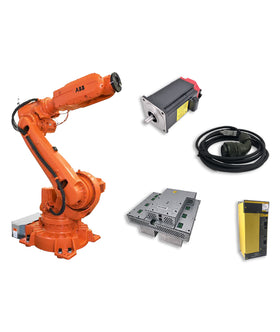
Key components commonly involved in teach pendants issues and replacements.


{"one"=>"Select 2 or 3 items to compare", "other"=>"{{ count }} of 3 items selected"}
Leave a comment on this topic