

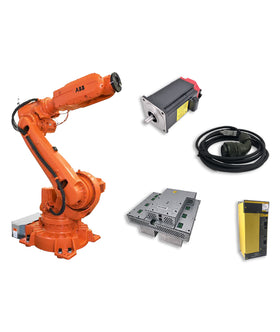
Industrial robot end effectors are the tools and devices attached to the robot arm that interact directly with workpieces or materials. They enable robots to perform a wide range of tasks such as gripping, welding, cutting, assembly, packaging, and material handling.
End effectors are an essential part of robotic automation systems, transforming robotic motion into practical industrial operations. These tools can include robotic grippers, welding torches, suction cups, cutting tools, and specialized application tools designed for specific manufacturing processes.
This collection includes industrial robot end effectors and robotic tooling solutions compatible with major robot brands such as ABB, FANUC, Yaskawa Motoman, and KUKA.
Robot End Effector Categories
Industrial robot end effectors are designed for different automation tasks including gripping, welding, material handling, and precision assembly.
Robot End Effector Applications
Industrial robot end effectors are designed for specific manufacturing and automation processes.
Material Handling
Robotic grippers and vacuum systems are commonly used for picking, placing, and transferring parts in manufacturing and logistics environments.
Welding
Welding end effectors enable robots to perform automated
welding operations in industries such as automotive manufacturing and heavy equipment production.
Assembly
Assembly tools allow robots to handle precision components and perform repetitive assembly tasks with high accuracy.
Cutting & Processing
Cutting tools, polishing tools, and specialized processing end effectors allow robots to perform machining and finishing operations.
Common Industrial Robot End Effector Types
Examples include:
-
Two-Finger Robotic Grippers
-
Vacuum Suction End Effectors
-
Spot Welding Guns
-
Arc Welding Torches
Selecting the appropriate end effector depends on the robot application, workpiece type, payload requirements, and automation process.
Why End Effectors Are Critical in Robotic Automation
End effectors determine how a robot interacts with objects and performs industrial tasks. While the robot arm provides movement and positioning, the end effector performs the actual work.
Well-designed robotic tooling helps improve:
-
Production efficiency
-
Task precision
-
Automation flexibility
-
Product quality
Common Robot End Effector Issues
Typical problems include:
-
Gripper wear or mechanical damage
-
Vacuum leakage in suction systems
-
Welding torch wear
-
Tool misalignment
-
Sensor or actuator malfunction
Regular inspection and replacement of worn end effector components helps maintain reliable robotic operations.
How to Choose the Right Robot End Effector
1 Identify the robot application (handling, welding, assembly, etc.)
2 Confirm payload and gripping force requirements
3 Verify compatibility with the robot mounting interface
4 Consider environmental conditions such as temperature or contamination
5 Select the appropriate tooling system for the automation process
Choosing the right end effector ensures efficient robot operation and optimal production performance.
Robot End Effector Components
Common components used in robotic end effectors include:
-
Robotic Gripper Fingers
-
Vacuum Cups
-
Pneumatic Actuators
-
Tool Mounting Plates
-
End Effector Sensors
These components allow robots to interact with materials and perform automation tasks effectively.


