
Pular para conteúdo

Yaskawa Teach Pendant LCD Failure: Causes, Symptoms & Diagnostic Guide (Sigma / YRC Systems)

What Is Yaskawa Teach Pendant LCD Failure?

Yaskawa teach pendant LCD failure refers to a display malfunction on the teach pendant unit where the screen becomes black, dim, frozen, or unresponsive, even though the robot system may still be powered.

For Yaskawa systems, LCD symptoms are often closely tied to external power supply stability and controller-side voltage distribution, making diagnos is more complex than simple screen replacement.

Core System Context (Why Yaskawa Is Different)

Unlike many other robot brands, Yaskawa teach pendants rely heavily on:

  • 24V external control power
  • Sigma servo system architecture
  • YRC1000 / NX100 controller logic

This means:

Many “LCD failures” are actually power delivery or voltage instability issues, not display hardware failure.

Core Symptoms of Yaskawa LCD Failure

1. Black Screen (No Display, No Boot)

What you see:

  • Screen completely black
  • No startup logo
  • Pendant appears dead

Likely causes:

  • 24V external power loss
  • Fuse or power rail failure
  • Cable disconnection

This is the most common misdiagnosed condition in Yaskawa systems.

2. Dim or No Backlight Display

What you see:

  • Very faint screen
  • Almost invisible UI
  • No clear image

Likely causes:

  • Backlight circuit failure
  • Insufficient 24V supply
  • Internal voltage drop

Often mistaken for LCD failure, but usually power-related.

3. Flickering or Intermittent Screen

What you see:

  • Screen flickers randomly
  • Display cuts in/out
  • Movement affects stability

Likely causes:

  • Loose pendant cable
  • Unstable 24V supply
  • Connector oxidation or wear

4. Frozen or Non-Responsive Display

What you see:

  • Screen stays static
  • No UI updates
  • Robot status not changing

Likely causes:

  • Controller communication timeout
  • Sigma system freeze
  • Software-level hang

5. Distorted Graphics or UI Corruption

What you see:

  • Garbled text
  • Broken interface layout
  • Random graphical artifacts

Likely causes:

  • Internal display signal issue
  • Logic board instability
  • Controller communication error

Step-by-Step Diagnostic Checklist

Step 1 — Verify 24V Power Supply (Critical First Step)

In Yaskawa systems:

  • Check external 24V input
  • Verify fuse status
  • Measure voltage stability under load

If 24V is unstable → LCD replacement will NOT fix the issue.

Step 2 — Cable and Connector Inspection

  • Inspect pendant cable for damage
  • Check connector pins
  • Look for oxidation or looseness

✔ Movement-related flicker = cable issue confirmed

Step 3 — Backlight vs Signal Test

  • Shine flashlight on screen
  • Check for faint image
Result Interpretation
Faint image visible Backlight issue
No image Power or signal failure

Step 4 — Controller System Check

  • Verify YRC1000 / NX100 status
  • Check alarm history
  • Confirm system boot behavior

High-Frequency Diagnostic Insight

In Yaskawa systems:

A large percentage of “LCD failures” are actually caused by 24V power instability or external supply issues, not the display itself.

This is the most important diagnostic distinction for this brand.

When It’s NOT an LCD Problem

1. 24V External Power Instability (Most Critical)

Yaskawa pendants depend heavily on stable external 24V supply:

  • Voltage drop → black screen
  • Unstable supply → flickering or reboot loop
  • Fuse issue → total display loss

Always check power before replacing hardware.

2. Controller Communication Failure

  • Signal loss between pendant and controller
  • Cable degradation
  • Internal communication timeout

Can fully mimic LCD failure symptoms.

3. System-Level Sigma Faults

  • Servo system error affecting UI update
  • Controller freeze
  • Software hang

Repair vs Replacement Decision Logic

✔ Replace LCD / Pendant When:

  • Screen is physically cracked
  • Backlight completely dead
  • Internal display confirmed faulty

✔ Inspect First When:

  • Flickering display
  • Intermittent black screen
  • Symptoms change with cable movement

✔ Investigate Power System When:

  • No display + no boot
  • Multiple pendants affected
  • Voltage instability detected

Technical Trust Points

  • Yaskawa teach pendants are highly dependent on external 24V power stability
  • Many display failures are actually ower distribution issues
  • LCD hardware failure rate is lower than misdiagnos is rate

Key field insight:

In real industrial environments, most Yaskawa “LCD failures” are resolved by fixing power supply issues rather than replacing the screen.

Pro Diagnostic Tip

Before replacing a Yaskawa teach pendant:

✔ Always check 24V external supply first
✔ Verify fuse and power rail stability
✔ Test cable continuity
✔ Use flashlight test for backlight confirmation

Skipping these steps often leads to:

  • Unnecessary pendant replacement
  • Hidden power system faults
  • Repeated failures after replacement

Repair Strategy Summary

Symptom Likely Cause Action
Black screen 24V power loss Check power system first
Dim screen Backlight / voltage drop Inspect supply
Flickering Cable or unstable power Replace/test cable
Frozen UI Controller issue Diagnose system
Distorted display Signal failure Check communication

Related Failure Types

Yaskawa LCD issues often overlap with:

  • Yaskawa Teach Pendant Black Screen
  • YRC1000 Communication Fault
  • Sigma System Error Display Failure

Full system overview available in: Teach Pendant LCD Failure Hub

FAQ

1. Is Yaskawa teach pendant LCD failure always a screen defect?

No. In many cases, it is not a true LCD panel failure.

For Yaskawa systems, similar symptoms can also be caused by:

  • 24V external power instability
  • Cable or connector issues
  • Controller or Sigma system faults

Many cases diagnosed as “LCD failure” are actually power-related problems.

2. What is the most common cause of a black screen?

The most common causes include:

  • Loss of 24V external power supply
  • Blown fuse or unstable voltage
  • Cable disconnection or damage

In Yaskawa systems, black screen is most often a power issue, not LCD damage.

3. How can I quickly check if it is LCD or backlight failure?

Use the flashlight test:

  • Faint image visible → backlight issue
  • No image visible → power or signal issue

This is the fastest way to separate hardware from power-related faults.

4. Can cable problems cause LCD failure symptoms?

Yes, very frequently.

Damaged pendant cables can cause:

  • Flickering screen
  • Intermittent black screen
  • Random display loss

Cable faults are often misdiagnosed as LCD failure in field maintenance.

5. When should I replace the Yaskawa teach pendant?

Replacement is recommended when:

  • LCD is physically cracked
  • Backlight is completely dead
  • Internal display failure is confirmed after power and cable checks

If symptoms are intermittent, always check 24V power first.

Explore the Full Guide: Industrial Robot Teach Pendant Center  →  Yaskawa Teach Pendant LCD Failure

Explore the complete guide for troubleshooting, repair strategies, and component replacement across industrial robot systems.

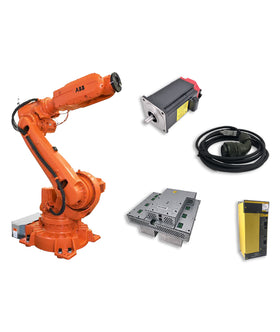
🔧 Recommended Parts for Yaskawa Teach Pendant LCD Failure

Key components commonly involved in yaskawa teach pendant lcd failure issues and replacements.

📘 Related Resources for Yaskawa Teach Pendant LCD Failure
  • No related articles found in this topic.
Artigo anterior KUKA KSS15019 Error – Intermittent Robot Motion Stop & Drive Fault Diagnostics Guide

Deixe um comentário

* Campos obrigatório

Blog posts

Comparar produtos

{"one"=>"Selecione 2 ou 3 itens para comparar", "other"=>"{{ count }} de 3 itens selecionados"}

Selecione o primeiro item para comparar

Selecione o segundo item para comparar

Selecione o terceiro item para comparar

Comparar