



When a KUKA robot fails to complete startup and displays KSS15004, the issue is usually related to servo drive initialization failure rather than a simple software warning.
In KRC4 systems, KSS15004 means the controller cannot bring the KSP servo drive system into a fully ready operational state.
Typical real-world symptoms include:
In production environments, KSS15004 is most commonly related to:
If ignored, the initialization failure usually becomes more frequent until the robot can no longer complete startup reliably.
If your KUKA robot stays in a non-ready state with KSS15004:
⚠️ If the system occasionally starts normally but later fails during initialization, intermittent drive readiness instability is highly likely.
KUKA KSS15004 indicates that the servo drive system failed to complete initialization during KRC4 startup.
In KUKA KRC4 architecture:
When KSS15004 is triggered:
👉 In short: the controller is ready, but the servo drive system is not ready to safely enable motion.
KSS15004 is most commonly an initialization-related fault rather than a catastrophic servo drive failure.
Although defective KSP modules can trigger the error, most field cases are caused by startup synchronization problems inside the KRC4 drive system.
Common examples include:
This is why experienced KUKA engineers usually verify power, safety, and communication conditions before replacing expensive KSP hardware.
Unlike permanent drive failures, KSS15004 often begins as an intermittent startup problem.
The robot may initialize successfully several times before suddenly failing during the next boot cycle.
This usually happens because:
This is why many engineers initially assume the issue is random, even though the root cause is usually related to unstable initialization conditions.
KSS15004 typically appears during startup because multiple systems must synchronize simultaneously before the robot can enter operational mode.
During initialization, the controller validates:
If any subsystem fails to respond within the required timing window, the KRC4 controller blocks motion enable and triggers KSS15004.
This is why some robots fail only during cold startup, while operating normally once fully initialized.
👉 Common in systems with long runtime cycles or thermal stress.
👉 Even a small safety interruption can blockfullfull drive initialization.
Yes.
Incomplete safety reset is one of the most common external causes of KSS15004 startup failure.
In KRC4 systems, the controller will not allow KSP drives to enter READY state unless all safety conditions are fully validated.
Typical causes include:
Because the fault may appear intermittently, safety-related KSS15004 errors are often mistaken for servo drive failures.
👉 Drives may fail to reach ready state under unstable voltage.
Yes.
Unstable 24V control power is one of the most common causes of KSS15004 initialization failure.
The KSP drive system depends on stable low-voltage control power during startup synchronization.
If voltage drops during boot, the controller may fail to complete initialization handshake with the drives.
Typical symptoms include:
In many factories, unstable cabinet power distribution is the real root cause behind recurring KSS15004 alarms.
👉 Often appears as random startup failure after successful previous shutdown.
Yes.
If communication between the KRC4 controller and KSP drives becomes unstable during startup, the initialization process may fail before the drives reach READY state.
Typical communication-related causes include:
👉 Communication-related startup failures are especially common in older KRC4 systems with high operating hours.
👉 Drive cannot validate motor position reference.
KSS15004 is more common in environments with:
Factories with unstable startup power conditions often experience intermittent drive readiness problems long before complete hardware failure occurs.
A KRC4 robot in an automotive production line repeatedly failed startup with KSS15004 after overnight shutdowns.
The KSP drives occasionally reached READY state, but initialization failures became more frequent over time.
Initial diagnos is focused on replacing the servo drive module, but the actual root cause was later identified as unstable 24V control voltage during cold startup.
After replacing the power supply module and stabilizing cabinet voltage distribution, the robot initialized normally without further KSS15004 alarms.
👉 This is why startup power stability should always be verified before replacing expensive drive hardware.
| Component | Recommended Replacement Trigger | Diagnostic Condition | Engineering Notes |
| KUKA KSP Servo Drive Module | Replace if drive consistently fails to reach READY state | - KSS15004 repeats during boot - Drive remains in initialization loop - Axis never becomes operational |
Indicates internal drive initialization failure or firmware handshake issue |
| 24V Power Supply Unit / DC Control Module | Required when startup voltage instability is detected | - Controller reboot during startup - Voltage drop below threshold - Random module reset during boot phase |
Most common root cause of multi-module startup failure |
| Encoder / Resolver Cable Assembly | Critical when initialization fails intermittently | - Axis sometimes initializes normally - Random encoder read failure - Position reference cannot stabilize |
Often EMI-related; verify shielding before replacement |
| Safety Relay / Safety Interface Module | Necessary if safety chain does not reset properly | - Safety OK signal not achieved - E-stop loop remains active - Safety circuit reset failure persists |
Check safety chain continuity before replacing hardware |
⚠️ Compatibility Tip:
| Check Item | Why It Matters |
| KRC4 controller version | Affects startup sequence and safety handshake timing |
| KSP module generation | Different generations use different firmware logic |
| Safety circuit configuration | Misconfiguration can mimic hardware failure |
| Firmware compatibility level | Outdated firmware may block READY state transition |
KSS15004 is often misdiagnosed as a drive failure, but experienced engineers separate it into three categories:
Go to:
SmartHMI → Diagnostics → Drive → Initialization Status
Check:
👉 Key diagnostic logic:
👉 In real industrial environments, KSS15004 is most commonly caused by:
To permanently resolve the issue:
👉 In most real cases, the final fix is: power stability correction or drive replacement
In real industrial maintenance environments, engineers usually inspect or replace components in this order:
👉 Startup-related KSS15004 faults are statistically more likely to be caused by power or safety instability than catastrophic servo drive failure.
KSS15004 often returns because the underlying startup instability was never fully eliminated.
In many KRC4 systems, the robot may initialize normally several times before failing again during a later startup cycle.
The most common recurring causes include:
In real production environments, intermittent startup failures usually become more frequent before complete initialization failure occurs.
⚠️ Technical Note: Following errors are commonly linked to servo initialization failure, startup synchronization problems, or unstable drive readiness conditions:
KSS15004 means the servo drive system failed to complete initialization during KRC4 startup. The controller is on, but the drives are not ready for motion.
It usually appears when drive initialization is interrupted due to unstable power, safety chain not fully reset, or communication delay between KRC4 and KSP drives.
Typical symptoms include:
Yes. Unstable 24V control voltage can interrupt drive startup synchronization and prevent the servo system from reaching READY state.
Yes. Communication handshake instability between the KRC4 controller and KSP drives can block initialization and generate KSS15004 alarms.
Sometimes, but not always.
Most real-world cases are caused by external conditions such as power instability, safety chain problems, or communication timing issues.
Perform a full power cycle, check safety chain reset, verify 24V power stability, and inspect drive communication connections.
It can be either, but most cases are caused by external factors like power or safety issues rather than actual drive failure.
If the robot initializes successfully after restart but later fails again, the most common causes are:
This usually indicates gradual system instability rather than immediate hardware failure.
KSS15004 is most commonly seen on:
Explore the Full Guide: Industrial Robot Fault Codes Library → KUKA Error Codes
Explore the complete guide for troubleshooting, repair strategies, and component replacement across industrial robot systems.
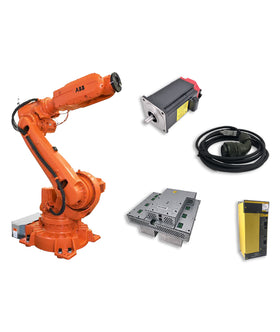
Key components commonly involved in kuka error troubleshooting issues and replacements.


{"one"=>"Selecione 2 ou 3 itens para comparar", "other"=>"{{ count }} de 3 itens selecionados"}
Selecione o primeiro item para comparar
Selecione o segundo item para comparar
Selecione o terceiro item para comparar
Deixe um comentário