



In CNC machining, few issues are as disruptive as a sudden system alarm. Among FANUC's various fault codes, the SP9010 alarm is particularly problematic—it indicates low input voltage to the spindle amplifier, a critical issue that can halt operations and risk long-term equipment damage.
This alarm doesn’t just call for a quick fix—it requires a thorough diagnosis of the machine’s power delivery system. Whether caused by power supply issues or internal amplifier failure, resolving the SP9010 alarm effectively can protect your equipment and reduce costly downtime.
SP9010 alarm signifies that the spindle amplifier isn’t receiving sufficient input voltage—usually below 90% of the rated range (typically 200–240V AC, depending on the model). Without adequate voltage, the amplifier can't regulate power to the spindle motor, triggering a fault.
This issue may be a symptom of:
Power supply instability
Damaged or loose input cables
Worn internal amplifier components
Degraded connections or transformer faults
To address it, you’ll need to evaluate not just the amplifier, but the entire electrical path feeding the CNC system.
Use a calibrated multimeter to check the input voltage at the amplifier terminals. Ensure it meets FANUC specifications. Any drop of 10% or more below nominal values may trigger this alarm.
Check:
Cable integrity
Terminal tightness
Circuit breakers and disconnects
Transformer performance
In industrial environments, cables often suffer from wear, vibration, or heat exposure—frequent causes of voltage drops.
If power delivery is normal, the issue may lie inside the amplifier. Faulty power modules or voltage regulators can simulate low-voltage conditions.
A common diagnostic step is to swap in a known-good amplifier—though this requires care to prevent further damage. For in-depth internal diagnostics, consult a certified FANUC technician.
A FANUC 0iMate-TC lathe reported an SP9010 alarm alongside FSSB error 5136. Initial inspection revealed damage to the X-axis servo motor encoder cable—likely caused by metal debris. After replacing the cable, the alarm persisted. Ultimately, technicians traced the root cause to a faulty SV1-20i spindle amplifier, which resolved the issue upon replacement.
On another machine, all cables and power supply readings were normal. After replacing the input wiring with no success, the spindle amplifier was replaced—and the alarm cleared immediately. This confirmed an internal amplifier failure as the source.
These cases highlight the need for systematic diagnostics, especially when multiple alarms appear or no external faults are visible.
To minimize the risk of SP9010 alarms:
Regularly inspect and tighten power connections
Monitor input voltages over time
Schedule thermal inspections for cable and amplifier areas
Replace aging cables exposed to harsh environments
Keep amplifier enclosures clean and well-ventilated
Proactive maintenance helps detect slow-developing issues before they escalate into full-scale failures
If:
The amplifier has suspected internal damage
Multiple system faults appear simultaneously
You lack the equipment for in-depth electrical testing
…it’s time to call a certified FANUC technician. These professionals have access to specialized diagnostic tools, firmware insights, and component-level repair capabilities.
Also, consider investing in technical training for your maintenance staff. Many FANUC partners offer courses in electrical testing, alarm code interpretation, and amplifier diagnostics—empowering your team to act faster and more confidently.
Beyond repair costs, SP9010 alarms carry hidden financial risks:
Lost production time
Overtime labor for urgent fixes
Delayed orders and missed deadlines
Companies that invest in reliable replacement parts, power infrastructure, and training programs can turn these incidents into long-term resilience upgrades.
Looking ahead, many manufacturers are integrating predictive maintenance tools—including voltage sensors and AI-based analytics—to detect early warning signs of amplifier or power failure, long before alarms are triggered.
The FANUC SP9010 spindle amplifier alarm requires a mix of technical skill, logical troubleshooting, and sometimes professional support. With the right approach, even complex or recurring faults can be resolved efficiently—reducing downtime and protecting critical assets.
To recap:
Start with voltage checks
Inspect cables and connections
Test or replace the amplifier if needed
Call FANUC experts when in doubt
Invest in training and preventive strategies
What begins as a frustrating stop in production can become an opportunity to build a stronger, more capable maintenance team and a more reliable operation.
FANUC Spindle Alarms Explained: SP9017, SP9018, SP9019, SP9020
Explore the Full Guide: Industrial Robot Fault Codes Library → FANUC Alarm Codes
Explore the complete guide for troubleshooting, repair strategies, and component replacement across industrial robot systems.
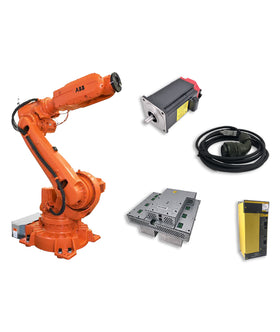
Key components commonly involved in fanuc alarm code repair issues and replacements.


{"one"=>"Selecione 2 ou 3 itens para comparar", "other"=>"{{ count }} de 3 itens selecionados"}
Selecione o primeiro item para comparar
Selecione o segundo item para comparar
Selecione o terceiro item para comparar
Deixe um comentário