



In modern society, robot cables are the lifelines that power robots, transmit signals, and enable communication between components. However, without proper management, these cables can become a major source of downtime, wear, and even safety hazards.
Robot cable management is the solution. It ensures cables are organized, protected, and routed efficiently, keeping robotic systems running smoothly and safely. In this article, we’ll explore what robot cable management is, why it’s important, common challenges, best practices, and emerging trends.
Robot cable management refers to the structured organization, routing, and protection of cables in robotic systems. Unlike standard cable routing, robotic environments require solutions that handle:
The goal is to maintain performance, prevent cable failure, and extend the lifespan of both cables and robots.


Effective cable protection systems for robots provides several critical benefits:


Managing cables in robotic systems is far from simple. Cables in these environments face unique stresses that standard robot wiring systems can’t handle. Here are the main challenges in detail:
Robotic arms and automated systems move constantly, often twisting, bending, and rotating hundreds of thousands—even millions—of times. Standard cables will quickly fatigue under these conditions.
Problem: Repeated bending causes insulation cracking, conductor breakage, and signal loss.
Example: In a robotic welding arm, a cable that isn’t torsion-resistant may fail after just a few months of repetitive movement.
Modern robots, especially collaborative robots (cobots), are designed to operate in compact workspaces. Managing cables in such tight areas is tricky.
Problem: Overcrowded or improperly routed cables can get pinched, tangled, or obstruct movement.
Example: In a small assembly cell, multiple hybrid cables without proper routing can interfere with robotic arms, causing operational delays.
Robots often operate in industrial conditions that are tough on cables:
Problem: Cables degrade faster, leading to insulation failure, short circuits, and unplanned downtime.
Robotic systems often contain numerous electronics, motors, and sensors in close proximity. This can create electromagnetic interference that affects signal integrity.
Problem: Poorly shielded cables may experience data corruption, signal loss, or operational errors.
Example: In precision electronics manufacturing, EMI can cause robotic vision systems to misread sensor data, leading to faulty assembly.
Robots don’t just move back and forth—they rotate, pivot, and extend in multiple directions. Constant directional changes place stress on cables at bends and connection points.
Problem: Without strain relief or proper routing, cables develop micro-cracks over time, reducing reliability.
Example: A robotic arm that rotates 360° multiple times per hour may eventually damage a cable if the bending radius isn’t observed.
Managing cables for inspection or replacement can be challenging in densely packed robotic systems.
Problem: Poorly organized cables make maintenance slower and increase the risk of accidental damage during servicing.
Example: A tangled cable bundle in a packaging robot can take hours to inspect, delaying production.
Investing in high-quality, torsion-resistant cables and management systems can be expensive upfront. Some facilities opt for cheaper cables, but this often leads to faster wear and higher long-term maintenance costs.
Problem: Balancing initial cost with long-term durability is a constant challenge for automation managers.
Firstly, when storing cables, it's advisable to place them within pipelines. This not only helps protect the cables from physical damage but also requires you to pay attention to the condition of the pipes.
To facilitate better management and organization, laying cables in cable trenches is a recommended practice. However, it's important to regularly check the humidity levels within these trenches.
Another critical aspect of cable storage is keeping them away from harmful gases. Exposure to such gases can result in insulation damage or conductor corrosion, both of which can severely compromise the functionality of the cables.
During transportation, extra care must be taken to avoid dropping cables from heights, especially in cold conditions. The impact from a fall, combined with the brittleness of the insulation and sheath in cold temperatures, can easily lead to cracking, rendering the cables unusable.
Regular rolling of the stored cables is also necessary to prevent moisture buildup. This should be done periodically, with a more frequent schedule (every three months) in summer and longer intervals during other seasons.
Finally, the storage environment itself plays a significant role in cable preservation. Cables should be stored separately from acidic, alkaline, or corrosive substances in a dry, ventilated warehouse.


Alt: robot cable management solutions
Smart Cables: Embedded sensors detect wear, stress, and temperature
Lightweight & Eco-Friendly Materials: Reduce strain and environmental impact
Modular Systems: Simplify upgrades and maintenance for robotic fleets
It is the organized routing and protection of cables in robotic systems to prevent wear, ensure safety, and maintain performance.
Proper cable management reduces downtime, prevents cable damage, improves robotic accuracy, and ensures workplace safety.
The best cable management system depends on the type of robot and its operating environment, but generally, it includes:
A high-quality system ensures flexibility, durability, and safe routing, minimizes downtime, and simplifies maintenance. Manufacturers often customize systems based on the robot’s range of motion and operational conditions.
Bad cable management occurs when cables are improperly routed, unsupported, or exposed to unnecessary stress. Common signs include:
Consequences: Poor management can lead to premature cable failure, signal loss, robotic downtime, safety hazards, and costly repairs.
Conclusion
Robot cable management is a critical component of modern automation. Properly managed cables increase efficiency, reduce maintenance costs, and enhance safety. Investing in high-quality cables, protective systems, and routine inspection ensures robots perform reliably, now and in the future.


Explore the Full Guide: Industrial Robot Spare Parts → Industrial Robot Cable Guide
Explore the full guide to discover related topics and gain deeper insights into industrial automation.
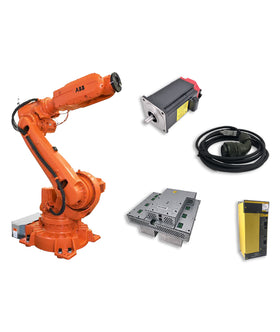
Key components commonly involved in robot cables issues and replacements.


{"one"=>"Wählen Sie 2 oder 3 Artikel zum Vergleichen aus", "other"=>"{{ count }} von 3 Elementen ausgewählt"}
Wählen Sie das erste zu vergleichende Element aus
Wählen Sie das zweite zu vergleichende Element aus
Wählen Sie das dritte Element zum Vergleichen aus
Einen Kommentar hinterlassen